UAE Splits 5GW AI Campus into Hardened Underground Sites
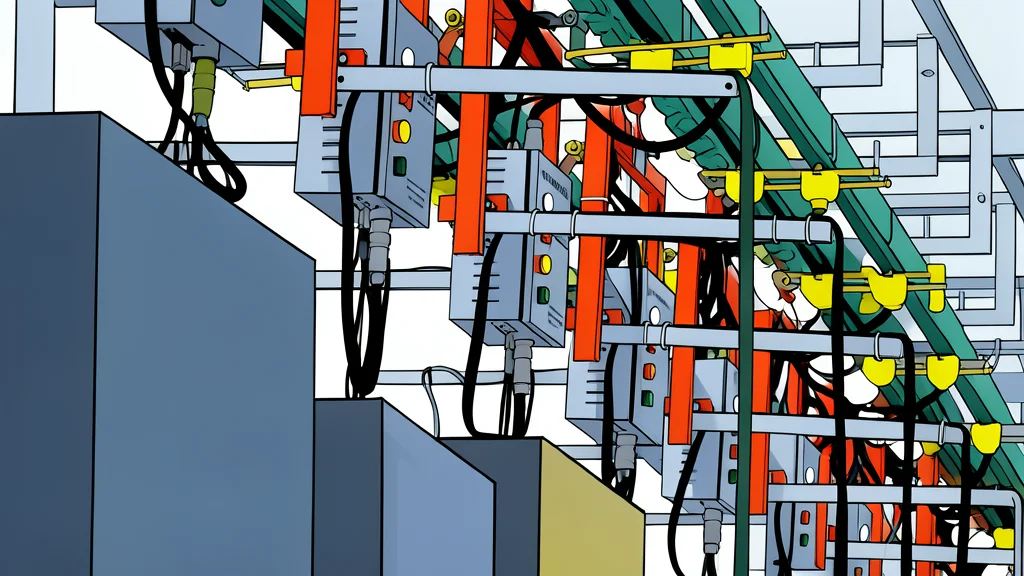
The United Arab Emirates is restructuring its massive artificial intelligence infrastructure to withstand physical attacks, shifting from a single large campus to a distributed network of hardened facilities.
The United Arab Emirates is fundamentally altering the design of its planned 5-gigawatt artificial intelligence data centre project. Following recent missile and drone strikes that damaged cloud infrastructure in the region, officials are moving away from a centralized 10-square-mile campus in Abu Dhabi. Instead, the new approach involves spreading the infrastructure across multiple locations throughout the country to reduce the risk of a single point of failure.
This redesign is a direct response to physical security threats rather than just technological limitations. Six sources familiar with the discussions indicate that the final layout, costs, and timeline are still under review. While G42, the technology company leading the initiative, states that work is progressing as planned, the shift to a distributed model reflects a new priority: ensuring critical digital assets can survive kinetic military attacks.
Hardening infrastructure against kinetic threats
The proposed changes include burying equipment underground and using blast-resistant materials to protect servers from explosions. Facilities handling sensitive data may be located inside mountains to leverage natural terrain for protection. Additionally, the design incorporates backup power and cooling systems, along with specific hardware intended to defend against drones and missiles. This represents a significant departure from standard data centre practices, which typically focus on environmental control and power redundancy rather than military-grade physical defense.
The motivation for these changes is clear from recent events. Earlier this year, drone strikes directly hit two Amazon Web Services facilities in the UAE, causing structural damage and power disruptions. A separate strike near a Bahrain facility also caused significant harm. These attacks disrupted services for customers, forcing them to rely on disaster recovery plans and remote backups. The incident highlighted that even robust cloud architectures are vulnerable when physical infrastructure is targeted by armed conflict.
Limits of traditional cloud redundancy
Cloud providers like AWS and Microsoft already use physical separation to manage failures. Their architectures rely on Availability Zones, which are distinct geographic areas with independent power and networking. This design is meant to handle events like floods, fires, or utility outages. However, the recent attacks in the UAE demonstrated that a single coordinated military strike can disable multiple zones simultaneously. When two of three zones in the UAE region were impaired, service availability degraded significantly, and error rates spiked for data retrieval and ingestion.
Standard redundancy measures were insufficient to maintain full service levels during these strikes. AWS advised customers to migrate resources to other regions and restore data from remote backups, a process that could take several months. This experience has underscored a critical gap in traditional cloud security models: they are designed to prevent accidental failures, not intentional physical destruction. For the UAE's new AI infrastructure, this means that physical security is now as important as network security.
Trade-offs for distributed AI systems
Spreading infrastructure across the country introduces new challenges. While distributed sites reduce the risk of total system failure, they increase complexity in management and potentially raise construction costs. Building underground or inside mountains requires specialized engineering and longer construction times compared to standard above-ground facilities. Furthermore, the trade-off for enhanced physical security is a more complex operational landscape that must be carefully maintained to ensure seamless data flow between sites.
The UAE's decision to prioritize physical resilience reflects a broader shift in how critical digital infrastructure is viewed in conflict zones. By integrating military-grade protections into the core design, the country is attempting to ensure its AI capabilities remain operational even under threat. This approach, documented in reports from GN auto tech/cloud, sets a new standard for large-scale AI projects in regions facing geopolitical instability. The final outcome will depend on how effectively these hardened sites can be integrated into a cohesive, high-performance network.