Li Auto Founder Claims Electric Design Ends SUV Size Race
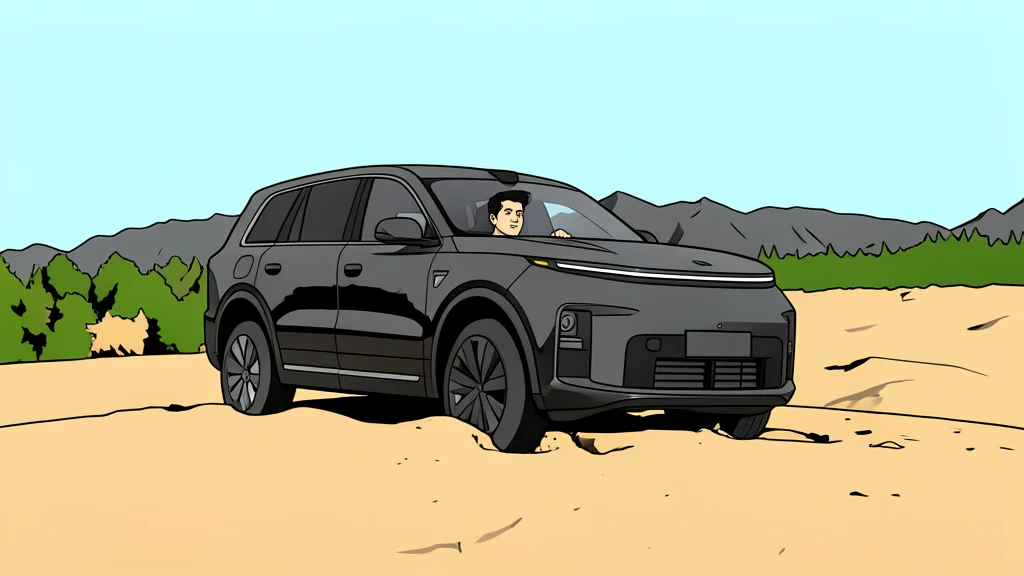
Li Xiang argues that battery-electric platforms allow for smaller vehicles with the same interior space, challenging the industry trend toward larger dimensions.
Li Xiang, founder and CEO of Li Auto, has declared that the relentless increase in flagship SUV sizes is a temporary phase that will soon end. Speaking in a recent post, he argued that the structural advantages of battery-electric architecture make the current arms race over dimensions unnecessary. This perspective comes just days before his company unveils a new model, the i9, which is already quite large by modern standards.
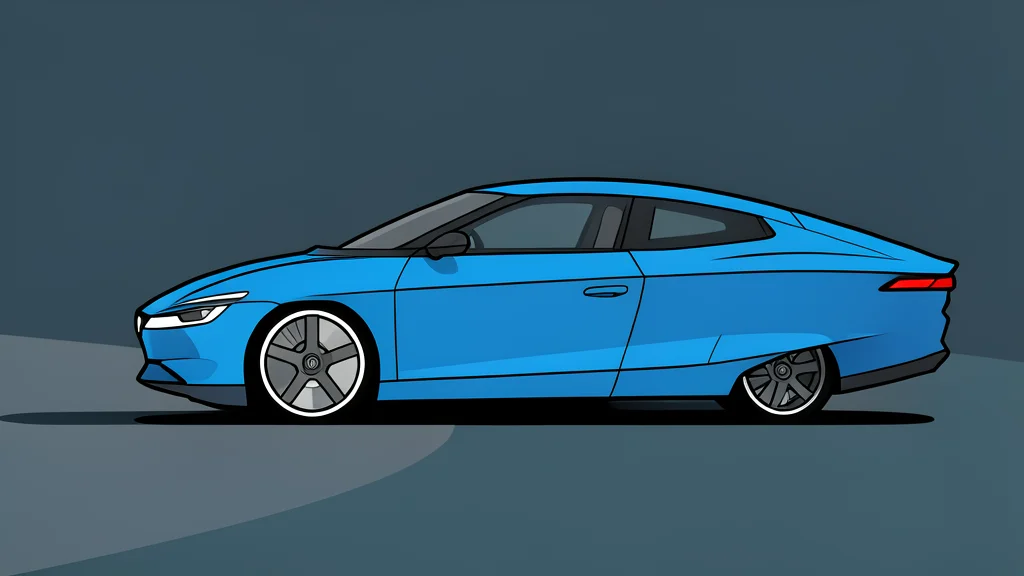
The core of his argument rests on packaging efficiency. Unlike combustion engines that require significant length for the powertrain, electric vehicles use compact motors and flat battery floors. This allows manufacturers to create spacious interiors within a smaller external shell. Li Xiang noted that while buyers may not perceive the difference between two nearly identical lengths, the larger size causes practical daily frustrations, such as difficulty parking and increased risk of door damage in tight spaces.
Electric Architecture Reduces Vehicle Length
According to Li Xiang, the need for length in traditional cars was driven by the physical footprint of the engine and transmission. Electric vehicles remove this constraint. The motor is small, the front overhang can be shortened, and the flat floor over the battery pack eliminates the need for extra height to provide headroom. As a result, an electric car can offer the same interior volume as a combustion vehicle while being a size category smaller on the outside.
This shift changes the value proposition for consumers. Instead of paying for extra length that adds little usable space, buyers can focus on other performance metrics. Li Xiang emphasized that making a car larger does not inherently improve its quality or utility. The industry debate over why SUVs keep getting bigger, he suggested, misses the point that the underlying technology is changing the fundamental geometry of the vehicle.
Agility Over Size in New Models
Li Auto’s upcoming i9 serves as a case study for this philosophy. Measuring 5,225 millimeters in length, it is shorter than several recent competitors in the high-end segment. The company prioritized space efficiency, low drag, and superior handling rather than raw dimensions. To achieve agile handling in a vehicle of this size, the i9 features steer-by-wire technology and rear-wheel steering.
These advanced chassis components are expensive and rare in the 400,000-yuan price class, but they provide a significant benefit. Li Auto executives claim that this combination gives the large SUV the turning agility of a compact car. This allows the vehicle to navigate tight spaces and underground parking areas more easily, addressing the very anxieties that Li Xiang identified as downsides of larger dimensions. The focus is on driving experience rather than showroom presence.
Competitors Embrace Larger Dimensions
Despite Li Xiang’s argument, the broader market in China is moving in the opposite direction. More than a dozen SUVs measuring five meters or longer have launched or are scheduled to launch this year. Models from Nio, Great Wall, and AITO are all larger than the i9. For instance, the Nio ES9 is 5,365 millimeters long, and the AITO M9 is 5,285 millimeters. Even Li Auto’s own L9, which the i9 is set to complement, is longer at 5,255 millimeters.
This trend suggests that many manufacturers still view size as a key differentiator. However, Li Auto’s strategy indicates a different path, one that relies on technological precision to enhance usability. By leveraging features like rear-wheel steering, which is becoming more common across the class, Li Auto aims to prove that a smaller footprint does not equate to a lesser vehicle. The catch for consumers choosing this route is that they must trust that advanced engineering delivers the same sense of presence and capability that sheer size once provided.