Zurich Lowers Tesla Premiums in Australia Based on FSD Software
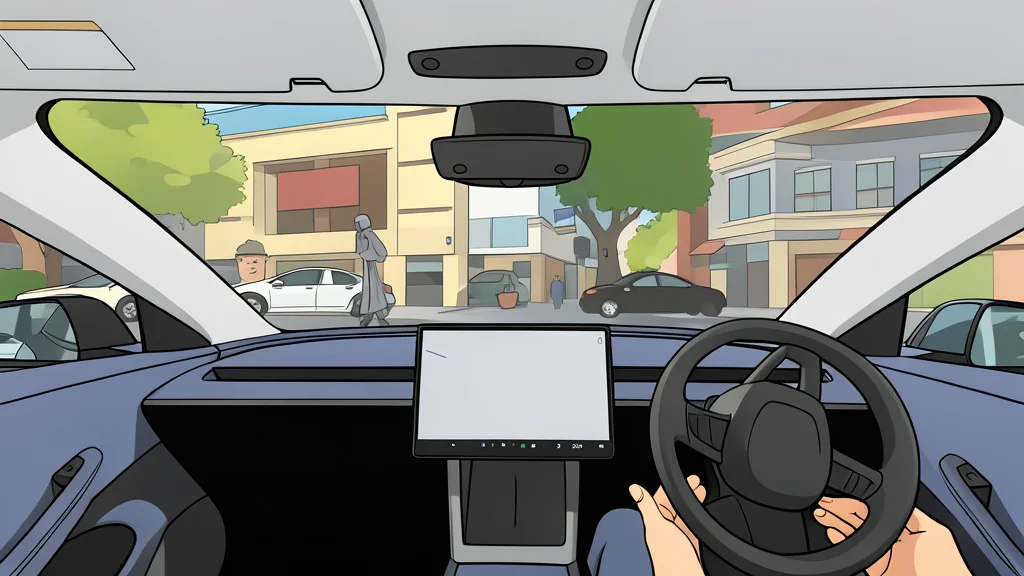
Zurich Australian Insurance has become the first insurer in the country to adjust Tesla premiums based on the presence of Full Self-Driving software, a move that signals a shift in how automated driving features are valued.
Zurich Australian Insurance has introduced a new pricing factor for Tesla vehicles equipped with Full Self-Driving (Supervised) technology. The insurer states that this software reduces collision risk, allowing it to classify eligible drivers as lower-risk policyholders. This decision makes Zurich the first major provider in Australia to recognize the feature in its motor insurance calculations, following a similar move by another global entity.
The change applies to Model 3 and Model Y owners who have access to the software. According to data cited by Zurich, vehicles using this technology experience significantly fewer collisions compared to other electric cars. However, the discount is modest. For a typical driver in New South Wales, the annual premium reduction is approximately 5% for those using a monthly subscription and 1.2% for owners who purchased the software outright.
Modest savings for Australian drivers
The financial benefit varies depending on how the software was acquired. Data obtained by Australian media outlet Drive shows that a 35-year-old man in Chatswood would pay A$2,239 annually for a Model 3 with a monthly FSD subscription, compared to A$2,357 without it. This represents a saving of A$118. For those who bought the feature permanently, the saving is smaller, at A$28 per year. Zurich has not published a universal discount rate, noting that pricing also depends on age, location, and claims history.
Tesla has actively promoted this partnership, stating that the software makes driving safer and cheaper. The company earns a commission of 5% plus GST on the first year’s premium when customers reach Zurich through a Tesla referral link. This financial arrangement highlights the commercial relationship between the vehicle manufacturer and the insurer, where referrals directly contribute to Tesla's revenue stream.
Risk assessment based on software presence
A key nuance in this pricing model is that the discount is tied to the presence of the software, not its actual usage. Zurich’s rating system does not distinguish between a driver who uses the feature daily and one who never engages it. This approach is based on aggregated data indicating that vehicles equipped with the technology have fewer collisions, rather than analyzing individual driving behavior or specific incident data.
The comparison data provided by Tesla indicates that FSD-equipped vehicles have seven times fewer major or minor collisions than other electric vehicles. It is important to note that this statistic compares electric cars against each other, not against all vehicles on the road. Furthermore, Tesla does not publicly disclose whether the software was active during specific accidents, which means insurers are relying on broader fleet statistics rather than individual liability assessments.
Adoption and legal responsibility remain
Full Self-Driving launched in Australia and New Zealand a year ago, making these markets the first right-hand-drive regions to receive the software. Adoption has been rapid, with owners logging one million kilometers within two weeks of launch. However, the technology remains classified as Level 2 driver assistance under Australian road rules. This means the driver retains full legal responsibility for the vehicle, and the software is considered an aid rather than an autonomous pilot.
Tesla has adjusted how the software is sold, with new buyers now required to use a monthly subscription of AU$149 after the outright purchase option was withdrawn for recent orders. This shift affects how insurers calculate risk, as the customer base now includes a mix of subscribers and lifetime owners. Despite the insurance incentives, the technology still represents a small fraction of total national driving kilometers, indicating that widespread adoption is still in its early stages.