Volvo Cars Adopts Accenture and Google Cloud's Horizon Platform
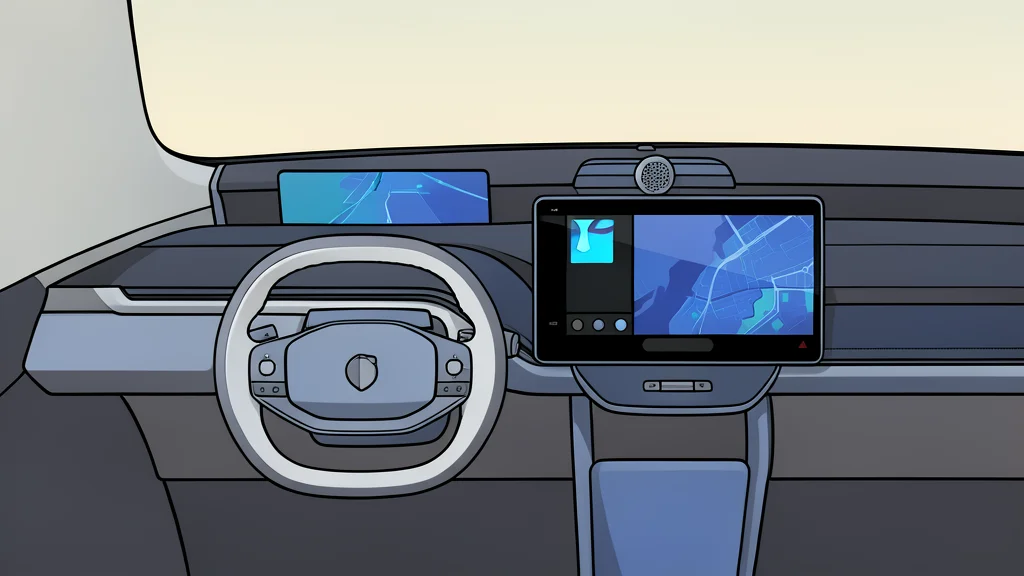
Volvo Cars will migrate its Android Automotive development to Horizon, claiming up to 9x faster testing and 40% lower feature costs.
Key points
- Volvo Cars is migrating its Android Automotive development to the Horizon platform, a joint project by Accenture and Google Cloud.
- The platform claims to speed up software testing by up to 9x and reduce infotainment feature development costs by 40%.
- Engineers can now access virtual workbenches and device farms remotely, cutting setup times from weeks to seconds.
Volvo Cars has become the lead industry partner for Horizon, a new open-source platform designed to streamline software development for Android Automotive Operating System. The initiative involves a joint effort by Accenture and Google Cloud to help automotive manufacturers build, test, and deploy vehicle software more efficiently.
As part of this collaboration, Volvo is migrating its global software development environment to the Horizon platform. This shift aims to replace traditional, slower development workflows with cloud-native tools and AI-assisted processes. The primary goal is to allow engineering teams to focus more on creating in-car experiences rather than managing infrastructure.
Reducing time and cost in testing
The platform claims to significantly accelerate the testing phase by using virtual environments based on Android Automotive. According to figures released via PR Newswire, this approach enables software testing to be up to nine times faster than traditional methods. Additionally, the system reduces the cost of developing infotainment features by up to 40%.
A major trade-off in conventional development is the time engineers spend waiting for build feedback. Horizon addresses this by optimizing build pipelines and using intelligent caching. Instead of waiting up to two hours for results, developers can receive feedback within minutes. This speed is critical for iterating on complex vehicle software.
Virtual tools replace physical hardware
The platform also removes barriers for new developers and distributed teams. Virtual workbenches allow engineers to set up their environments in seconds, eliminating the weeks-long wait for physical specialized hardware. This remote access to virtual device farms means developers can work from anywhere, reducing the need for costly physical test equipment.
While the technology offers speed and flexibility, it relies heavily on cloud infrastructure. This shift means that the efficiency gains are tied to stable cloud connectivity and the adoption of AI-assisted workflows. For Volvo, the immediate benefit is a more productive engineering team that can deliver features faster.
Industry implications for software-defined vehicles
Modern vehicles increasingly rely on digital experiences like navigation, media, and over-the-air updates. As consumer expectations for these features grow, manufacturers face pressure to deliver updates more frequently. Horizon positions itself as a solution to this demand by standardizing and scaling the software development process.
The collaboration between Volvo, Accenture, and Google Cloud serves as a pilot for the wider automotive industry. Insights gained from Volvo's migration will be used to refine the platform and expand its generative AI capabilities. This suggests that other car makers and industrial manufacturers may adopt similar cloud-based strategies in the coming years.