Netflix Adapts Unreleased Sega Game Before Launch
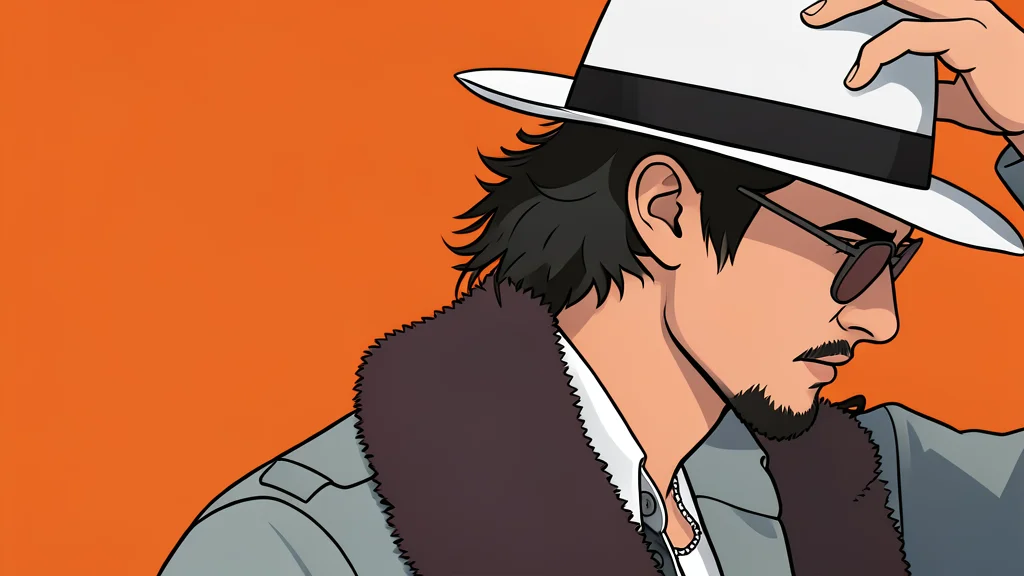
Netflix has announced a film adaptation of a Sega game that players will not be able to experience until 2027. This move highlights a growing tension between Hollywood’s desire for quick content and the gaming industry’s need to establish its own narrative value.
The entertainment industry is moving at a rapid pace toward video game adaptations, but the timing of recent announcements raises questions about respect for the source material. Netflix recently revealed a slate of projects with Sega, including a movie for Stranger Than Heaven, a title that is not scheduled for release until January 2027.
This decision to adapt an unreleased game suggests that studios may view games primarily as a way to access an existing fanbase rather than as standalone artistic works. While some adaptations have succeeded, this approach risks reducing complex interactive experiences to simple marketing tools for film and television.
Adapting Unreleased Titles Creates Risk
Announcing a film before the game itself is available to the public feels premature to many observers. Stranger Than Heaven is a prequel to the popular Like a Dragon franchise, but its story and mechanics have not yet been tested by audiences. Creating a live-action version based on incomplete information can lead to a disconnect between the film and the eventual game experience.
According to reports from GN technics/gaming, this strategy reflects a broader trend where studios prioritize speed to market over thorough engagement with the source. While Sega’s involvement is a positive sign, the underlying motivation may still be extraction of value from a loyal player base rather than a genuine appreciation for the medium.
Gameplay Mechanics Lack Narrative Depth
The inclusion of Crazy Taxi in the same slate further illustrates this disconnect. The original game is defined by its simple loop of picking up and dropping off passengers, with little focus on deep storytelling or complex character arcs. Adapting such a gameplay-focused title into a feature film requires inventing a plot and characters that do not exist in the source material.
This raises the question of why the title is being used at all if the creative team must build the story from scratch. While the writer of Chip ‘n Dale: Rescue Rangers may bring cleverness to the project, the fundamental issue remains that the game’s core appeal is interactive, not narrative. Forcing a cinematic structure onto a game designed for quick, repetitive fun may result in a product that feels disconnected from its origins.
Hollywood Risks Misunderstanding Gaming Value
As video game adaptations become more common, there is a fear that the industry will begin to treat games as mere trial runs for movies. This mirrors the long-standing relationship between literature and film, where books are often seen as source material for adaptations rather than complete works in their own right.
The success of recent titles like Fallout and Arcane has proven that games can be respected as high-quality storytelling. However, the rush to adapt unreleased or gameplay-centric titles suggests that Hollywood may still be learning the wrong lessons. If studios continue to prioritize speed over substance, they may undermine the very medium they are trying to capitalize on.