1968 Radio Revived as Smart Speaker with Original Controls
A decade-old radio cabinet now plays modern music, retaining its physical dials while housing a tiny computer.
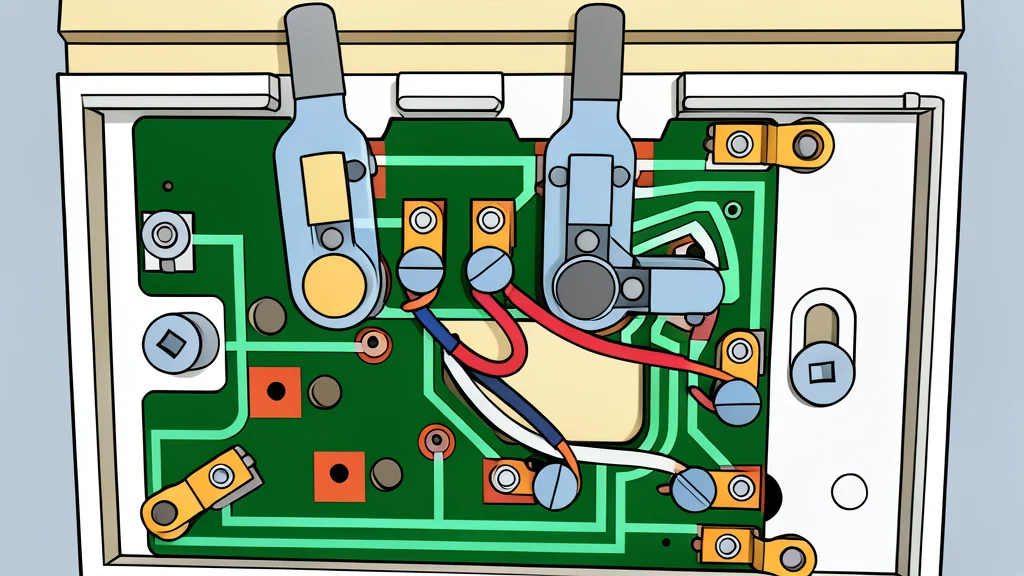
A 1968 Grundig RF116 radio has been transformed into a modern networked speaker, preserving its vintage exterior while swapping its internal electronics for a microcontroller. The project, documented by XDA Developers, demonstrates how obsolete hardware can be repurposed without replacing the entire casing. The original circuitry was removed and disconnected, making way for a Louder-ESP32 module that runs on ESPHome. This setup allows the device to stream audio from a server, effectively turning a mid-century piece of furniture into a smart home component.
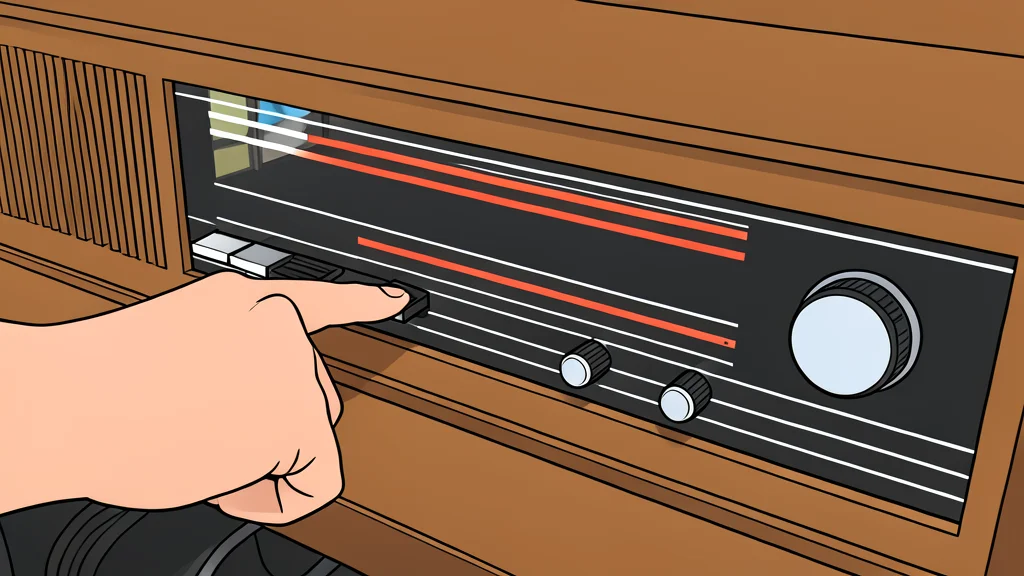
The key feature of this retrofit is the retention of the original user interface. The front panel switches and dials still function, but their roles have been remapped to control digital audio parameters. Instead of tuning into radio frequencies, the controls now manage playlists, volume, and equalizer settings. The creator integrated WS2812B LEDs into the housing of the original lamp, replicating the warm, backlit glow that characterized the vintage design. This approach ensures the device remains aesthetically consistent with its era while offering modern connectivity.
Physical controls mapped to digital functions
The interface logic is straightforward for users familiar with modern audio systems. Four of the five front switches are used to toggle between different playlists, while the fifth serves as a power or mute control for the audio output. The three rotary dials have been assigned to specific tasks: one adjusts the volume, another modifies the equalizer profile, and the third navigates through tracks within the current playlist. A separate ESP32-S3 chip handles the input from these controls, translating physical rotations and presses into digital commands for the main audio module.
Balancing preservation and modern utility
While purists may prefer keeping antique electronics in their original state, practical challenges often make restoration difficult. Components from the 1960s are no longer manufactured, and finding functional replacements can be costly or impossible. In such cases, a modern retrofit offers a viable alternative to discarding the device. The original speakers remain in use, providing the acoustic foundation, while the new digital components handle the signal processing. This method extends the lifespan of the hardware and prevents it from becoming e-waste, offering a functional compromise between historical accuracy and contemporary usability.