Resident Evil Film Prioritizes Gameplay over Characters

Zach Cregger's new adaptation shifts the focus from iconic heroes to the raw mechanics of survival, arguing that the struggle of the player is more cinematic than the power of the protagonist.
Video game adaptations have long suffered from a fundamental disconnect: they often translate the spectacle of a game without capturing its essence. Most films feature battle-ready fighters who exist as caricatures of their digital counterparts, resulting in stories that feel hollow. Zach Cregger’s new take on Resident Evil attempts to break this cycle by prioritizing the experience of playing over the experience of living in the game world. It is a bold structural choice that trades fan-service for psychological realism.
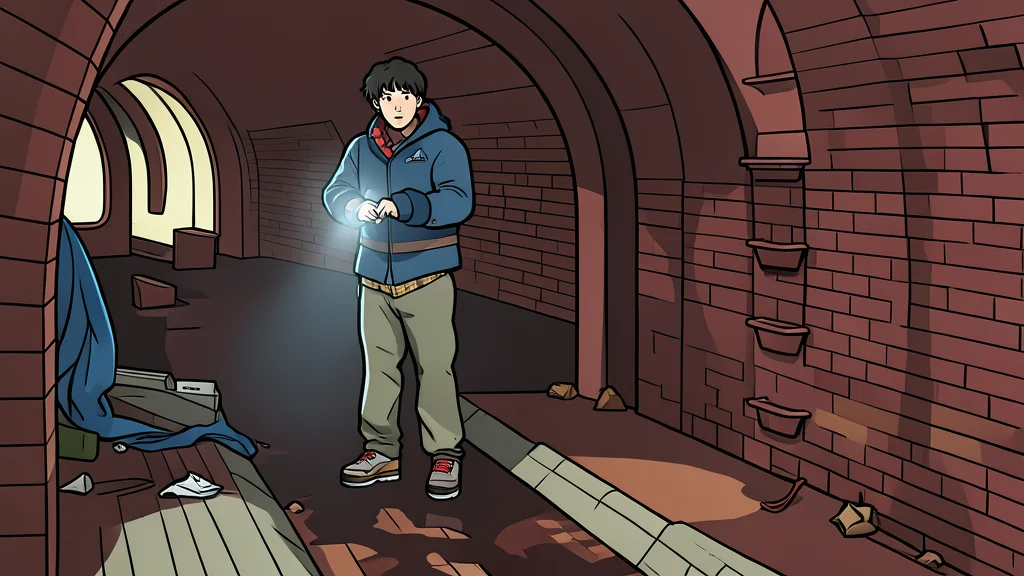
The film discards many of the series' well-known characters, including fan favorites like Leon Kennedy. Instead, it centers on Bryan, a scruffy medical courier played by Austin Abrams. This character choice is deliberate; Bryan is not a super-soldier but an ordinary person thrust into an extraordinary situation. By removing the expectation of heroic competence, the movie creates space for genuine vulnerability and fear, which resonates more deeply with audiences than stylized action sequences.
Translating Mechanics into Narrative Tension
The core of the film’s innovation lies in how it mirrors the player’s journey. The narrative tracks the gradual escalation of difficulty, from finding a basic pistol to struggling with a shotgun. This mirrors the learning curve of a video game, where early encounters are manageable but later stages require precision and skill. The tension comes not from the protagonist’s power, but from their increasing competence in a deadly environment.
However, this approach comes with a trade-off. Because the protagonist is meant to be a stand-in for the player, his character development is intentionally minimal. The film pokes fun at the idea that shooting monsters provides meaningful personal growth. This limits the emotional depth of the lead, making him more of a vessel for the audience’s experience than a fully realized individual. The result is a movie that is mechanically faithful but emotionally restrained.
Humor as a Survival Mechanism
To balance the horror, Cregger leans heavily on dark comedy. The fear of mortality is played for laughs, with the protagonist emitting high-pitched squeals rather than stoic grunts. This tonal shift acknowledges the absurdity of the situation while maintaining the visceral danger. It is a strategy that prevents the film from becoming a grim slog, offering relief without undermining the stakes.
The humor also serves to highlight the disconnect between the player and the character. In a game, death is a temporary setback; in the film, it is a permanent consequence. By emphasizing this difference, the movie creates a unique tension that is both funny and frightening. It is a clever way to engage both gamers and non-gamers, offering a fresh perspective on a familiar genre.
A Nostalgic Nod to Analog Tools
Scattered throughout the film are subtle references to the original games, including a scene where Bryan finds an old-fashioned typewriter in a deserted house. This detail, noted by coverage from GN auto tech/entertainment, serves as a grounding element in a chaotic world. It reminds the audience of the analog origins of the story, even as the technology around it becomes increasingly bio-engineered and terrifying.
These Easter eggs are not just for show; they reinforce the film’s theme of adaptation and change. Just as the game evolves from simple survival to complex strategy, the film evolves from a standard horror setup to a meta-commentary on gaming culture. It is a layered approach that rewards attentive viewers without excluding those unfamiliar with the source material.