Why Motion Handling Beats Resolution for Racing Fans
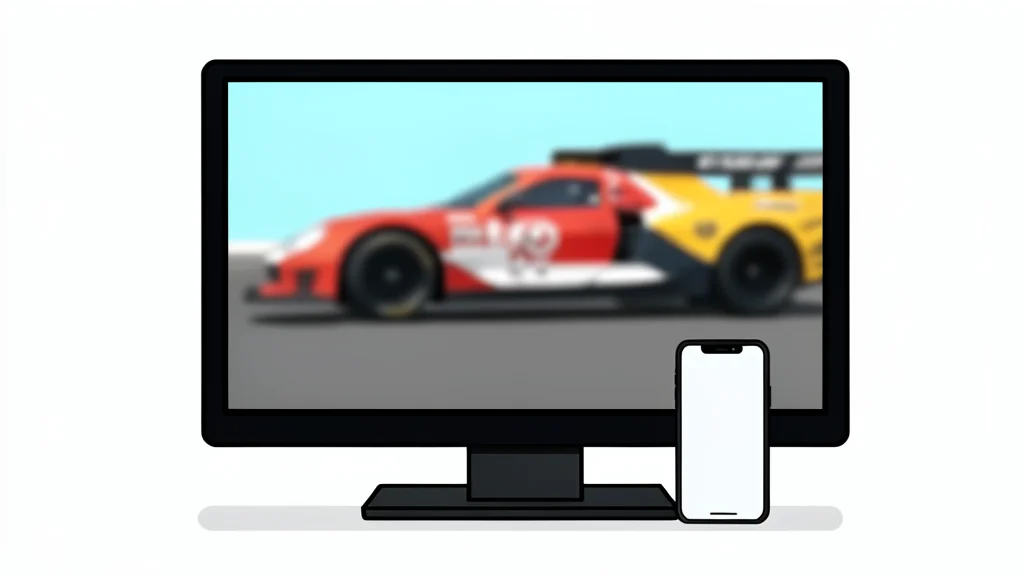
Choosing a television for live motorsports requires looking beyond marketing specs. The key to a clear image lies in motion processing and app compatibility, not just screen size.
For fans of high-speed motorsports, the decision to upgrade a home theater setup is often clouded by confusing technical jargon. Many buyers assume that the highest resolution number on a box guarantees the best viewing experience. However, when it comes to watching live races, that assumption is frequently wrong. The visual demands of a three-hour endurance event are significantly different from watching a movie or a static news broadcast.
The core issue is not how sharp the image looks when paused, but how it behaves while in motion. A television that struggles with fast camera pans or rapid object movement can make the experience frustrating and difficult to follow. As reported by GN technics/mobile (en-US), the priority for 2026 viewing should shift toward practical usability and motion clarity rather than relying solely on resolution stickers.
Resolution Does Not Guarantee Clarity
A 4K screen is currently the sensible baseline for any new purchase, but it is not a silver bullet. Two televisions can both display 4K content and yet perform very differently during a live race. A cheaper panel with a lower refresh rate may appear fine during slow-paced interviews or static shots. However, once the action picks up speed, the limitations of the hardware become obvious.
The difference is most noticeable when the camera follows a group of cars around a corner. In these moments, the background moves rapidly across the screen. A panel with weak motion processing will smear these details, making it hard to distinguish individual vehicles or read on-screen graphics. This is a common trade-off where a higher price tag does not always mean a better product if the underlying panel technology is outdated.
The Importance of Refresh Rate
To handle the speed of modern racing broadcasts, a native 120Hz panel is a strong target for buyers. This specification indicates how often the screen updates its image each second. A higher refresh rate provides the television with more flexibility to process motion without creating unnatural effects. It allows the screen to keep edges of moving objects reasonably clear while the background shifts.
This capability is also beneficial for other activities, such as gaming or viewing high-frame-rate content. Manufacturers like LG, Samsung, and TCL now offer models with refresh rates of 120Hz or higher. While these specs are relevant indicators for sports viewing, they are not magic. Users should still be cautious about enabling every motion setting to the maximum, as excessive interpolation can create visual artifacts around wheels and fences.
Smartphone Integration Enhances Viewing
The fragmented nature of modern sports broadcasting adds another layer of complexity. Coverage is often split across multiple platforms, including traditional networks and streaming services. This means viewers may need to switch between apps or change inputs frequently. A physical remote control can be cumbersome for these tasks, especially if it is misplaced during a critical moment.
A smartphone can serve as a more efficient remote in this scenario. With the right TV and compatible app, users can search for races, adjust volume, and launch streaming services directly from their phone. This setup reduces friction and makes the overall entertainment experience smoother. The goal is a system that handles the visual demands of the sport while making navigation painless for the viewer.