Windows 11 Update Forces Security Change that May Break Hardware

A routine security update will automatically enable strict driver checks on many PCs, risking the functionality of older peripherals.
Starting October 13, 2026, Microsoft will begin automatically enabling a key security feature on a wider range of Windows 11 computers. This move aims to close security gaps left by users who upgraded from older versions, but it introduces a significant risk for those relying on aging hardware. The feature in question is memory integrity, a protection mechanism that has existed for years but often remains off by default on upgraded systems.
According to XDA Developers, this rollout targets PCs that technically support the security feature but have it disabled. While the intent is to harden the system against malicious software, the practical consequence for users is potential device failure. Older webcams, audio interfaces, and other peripherals that depend on legacy drivers may stop working entirely once the stricter rules are applied.
Security checks block legacy driver loading
Memory integrity works by isolating critical system checks in a secure environment that the main operating system kernel cannot interfere with. This isolation is designed to prevent malware from exploiting vulnerabilities in kernel-mode code, which has extensive access to the computer. However, this strict environment requires that all drivers meet specific security standards before they are allowed to load.
Many older drivers were written before these security standards were established, meaning they simply do not comply. When Windows detects such a driver, it blocks it from running to protect the system. This creates a direct conflict: the operating system prioritizes security over compatibility, potentially rendering perfectly functional hardware useless because its software component fails the new inspection.
Older peripherals face functional risk
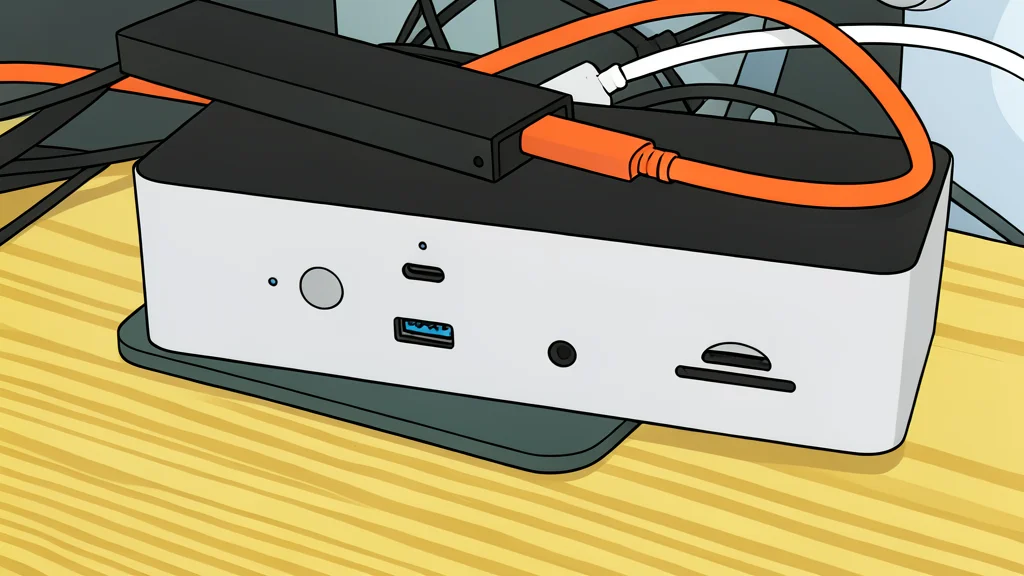
Users with older USB devices, such as Logitech webcams or specialized audio interfaces, are most at risk if their devices rely on outdated drivers. Even popular utility software that requires deep system access, like Intel XTU for CPU tuning, can be affected if it uses kernel-level drivers that do not meet the new integrity requirements.
In some cases, blocking these drivers can lead to serious system instability, including boot failures or blue screen errors. While updating the driver is often the solution, many manufacturers have stopped supporting older hardware, leaving users without a path to compliance. The trade-off is clear: enhanced protection against sophisticated attacks comes at the cost of potentially losing access to legacy devices.
Rollout respects existing user preferences
Microsoft has clarified that this is a gradual process and not an immediate, universal switch. The company will check for incompatible drivers before enabling the feature on any given machine. Crucially, if a user has manually disabled memory integrity, that choice will be respected, and the feature will not be forced back on.
For those who have not previously touched the setting, it is advisable to check the status in Windows Security under Device security. Manually enabling the feature now can help identify any incompatible drivers before the automatic rollout occurs. This proactive step allows users to update drivers or find alternatives before the system enforces the change, avoiding sudden hardware failures.