Australia's EV Boom Hits Infrastructure Limits
Electric vehicles have surged from a niche option to a quarter of new car sales in Australia, driven by soaring fuel costs and competitive pricing.
The Australian auto market is undergoing a rapid structural change as electric vehicles (EVs) move from the periphery to the mainstream. In just one month, the share of new fully electric models jumped from 10% to 25%, while traditional petrol and diesel sales fell below the 50% threshold. This sudden acceleration marks a decisive break from previous trends, where EV adoption was slow and hesitant.
The primary driver is economic necessity. With global fuel prices rising due to supply chain disruptions, industry estimates suggest drivers can save approximately $3,000 annually on fuel costs. Additionally, cheaper models from Chinese manufacturers have reached price parity with combustion-engine cars, removing the previous cost barrier that kept many buyers away. As reported by GN auto tech/ev: electric vehicle, this convergence of high fuel costs and lower vehicle prices has created a perfect storm for adoption.
Infrastructure struggles to keep pace
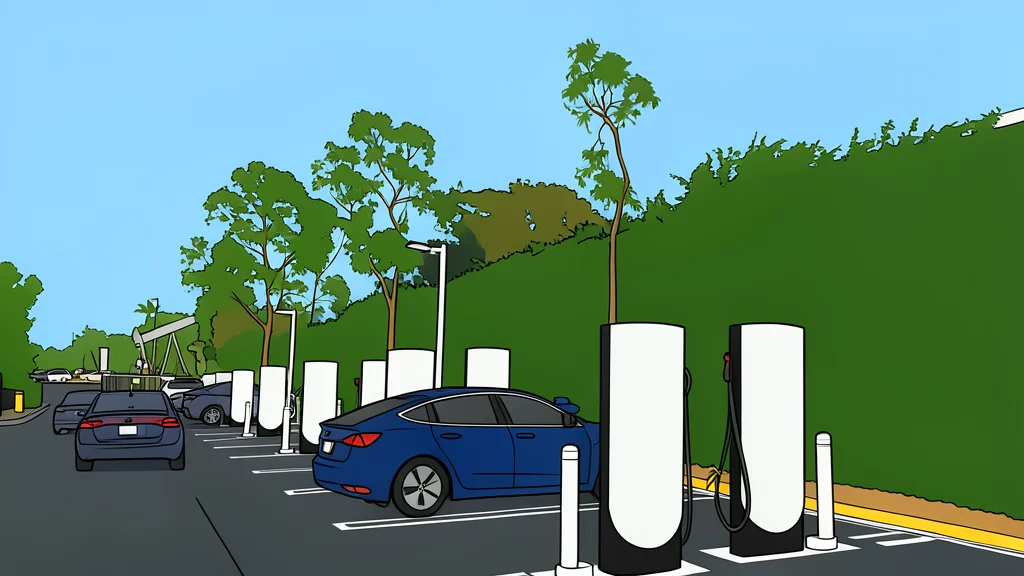
While consumer enthusiasm is high, the supporting infrastructure has not kept up. Australia’s transition was long treated as a distant future scenario, leading to a lag in planning for charging networks and grid capacity. Public utilities and governments now face urgent questions about whether existing charging stations can handle the increased demand, and how to manage the strain on the electrical grid in suburban and urban areas.
Beyond charging, the repair ecosystem is under pressure. The rapid influx of new EV brands means that many vehicles are still under warranty, but the long-term availability of parts and service expertise is uncertain. Independent mechanics, who form the backbone of the local repair network, are still learning the specific systems of newer models. This creates a trade-off: buyers gain access to lower-cost vehicles now, but they may face difficulties finding affordable repairs or parts once warranties expire.
Market saturation and brand consolidation
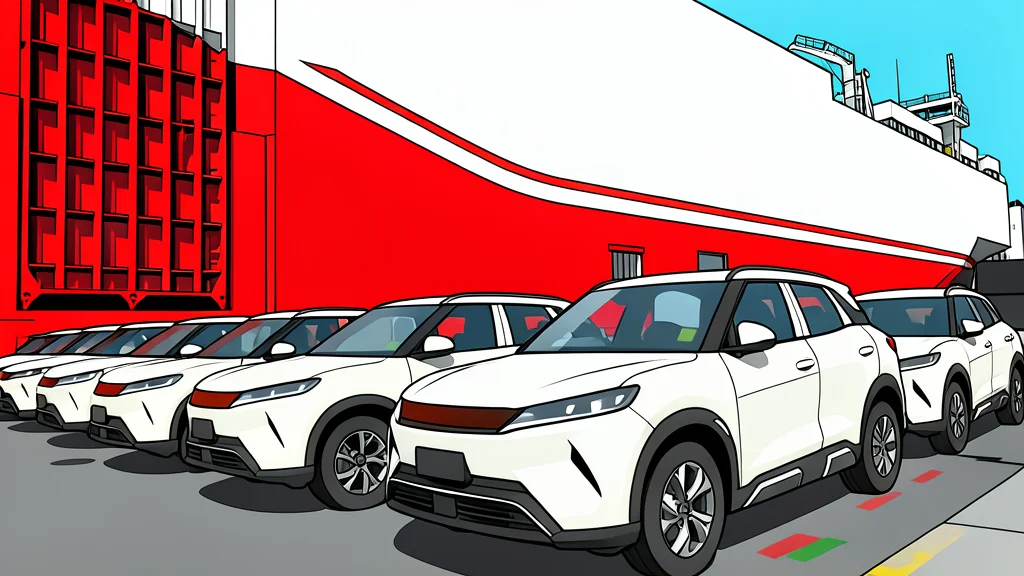
The surge in EV adoption has coincided with a massive influx of new brands, many from China. Over the past decade, more than 20 new manufacturers have entered the Australian market, including BYD, MG, and Chery. With total vehicle sales remaining relatively static, this has created an overcrowded market where dozens of brands compete for the same pool of buyers.
Analysts warn that this level of competition is unsustainable for many entrants. While some brands have established strong dealer networks and service capabilities, others may struggle to reach the critical mass needed for long-term viability. This poses a risk for consumers, as smaller or less established brands may withdraw from the market, potentially leaving owners without access to official service centers or genuine parts.
Fiscal impact on public roads
The shift away from petrol also threatens a major source of government revenue. Fuel taxes have traditionally funded road maintenance and infrastructure projects. As fewer drivers rely on combustion engines, governments face a shortfall in this income. This creates a complex policy challenge: how to maintain the quality of the road network without the traditional tax base, potentially requiring new charging fees or alternative funding models.
The transition offers clear benefits, including reduced household energy costs and lower vehicle emissions. However, the speed of the change means that the economic, infrastructural, and regulatory systems are still catching up. For consumers, the decision to switch is no longer just about environmental ideals; it is a practical calculation of savings versus the risks of an evolving and fragmented market.