100-Amp Service May Still Support Home EV Charging
New townhouse buyers often worry that 100-amp electrical service is too small for electric vehicle chargers, but experts say it can work with careful planning and right-sized hardware.
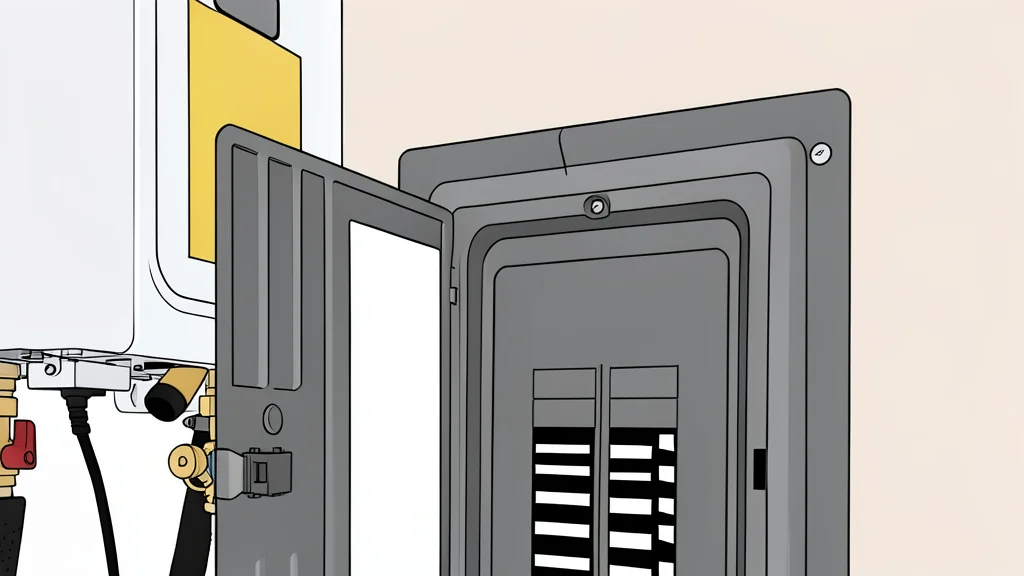
A recent online discussion highlighted a common concern for new homeowners: whether a townhouse with a 100-amp electrical service can safely support an electric vehicle charger. The buyer, who currently uses a 48-amp charger, was told by their construction supervisor that each unit would be fed only 100 amps from the main building breaker box. This raised immediate questions about whether they could maintain their current charging speed or if they would need to compromise on performance.
While 100 amps is considered on the lower end for modern homes, it is not automatically a deal-breaker for EV owners. The key issue is not just the total capacity of the panel, but how that capacity is distributed among all appliances and systems in the home. If the electrical load is managed correctly, many drivers can still charge their vehicles overnight without needing a costly service upgrade.
Load calculations determine safe capacity
The most critical step for any homeowner considering an EV charger is to have a licensed electrician perform a detailed load calculation. This process estimates the total electrical demand of the house at any given time, accounting for high-draw appliances like air conditioning, ovens, and dryers. Without this calculation, it is impossible to know if adding a 48-amp charger would trip the main breaker or create a safety hazard.
As reported by GN auto tech/ev: electric vehicle, commenters in the original thread emphasized that a load calculation is the only reliable way to determine feasibility. One user noted that while 100 amps is tight, it is not impossible if the other electrical loads are moderate. The calculation helps identify whether the existing service can handle the charger or if a smaller, lower-amperage unit is the safer option.
Slower charging may be sufficient
For many drivers, high-speed charging is not a necessity but a convenience. If a vehicle only needs to recover 30 to 40 miles of range per night, a much slower charging setup may be perfectly adequate. Some owners rely on standard 120-volt outlets or Level 1 chargers, which draw significantly less power from the home's electrical system.
This approach can save homeowners from paying for expensive electrical upgrades, such as increasing the service to 200 amps. While a slower charger takes longer to fill the battery, it is often enough for daily commuting and weekend trips. The trade-off is time; drivers who need a full charge in under three hours may find this method too slow, but those who plug in overnight rarely notice the difference.
Future-proofing requires early planning
If the buyer is still in the construction phase, it may be worth considering a larger electrical service now. Upgrading to 200 amps can be costly, but it provides headroom for future electrification, such as adding more appliances or a higher-power charger. Postponing this decision until after the house is built often makes the upgrade more difficult and expensive due to the need for rewiring.
Homeowners should also look into available rebates and incentives, which can offset the cost of installation. Some utility companies offer significant credits for installing Level 2 chargers, making the initial investment more manageable. By combining a proper load calculation with a realistic assessment of driving needs, buyers can find a charging solution that fits both their budget and their home's electrical limits.