Why Electric Cars Demand Different Habits than Gas Vehicles
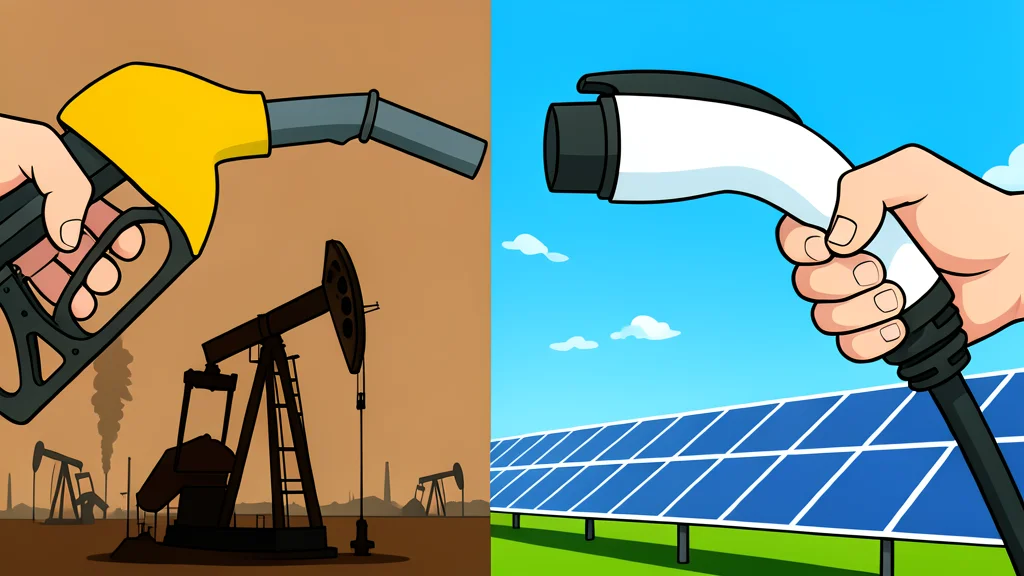
Many buyers assume driving an EV is identical to driving a gasoline car, but the shift requires significant changes in how you manage energy and travel.
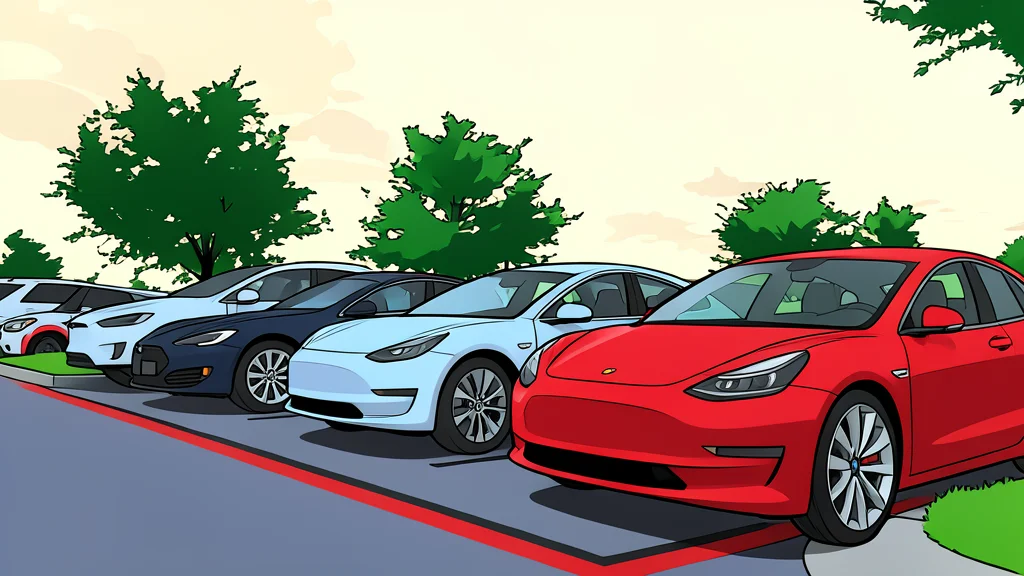
The assumption that an electric vehicle functions exactly like a conventional car has proven costly for some major players. Hertz, for example, faced financial turmoil after purchasing a large fleet of Teslas without adequately training staff or informing customers about the unique charging requirements. The company treated the vehicles as if they were standard gasoline models, leading to widespread confusion and operational failures. This incident highlights a broader issue: the automotive industry often fails to properly educate buyers on the fundamental differences in how electric power works.
A common source of frustration for new EV owners is the lack of basic instruction from dealerships and manufacturers. Many drivers spend years with their electric cars without learning simple techniques, such as charging via a standard wall outlet or preparing the battery for cold weather. This knowledge gap leads to unnecessary anxiety about range and charging times, often pushing customers to consider returning to internal combustion engines. The reality is that while the core function of moving from point A to point B remains the same, the management of that energy is fundamentally different.
Energy Efficiency Changes Range Expectations
One of the most significant differences lies in how energy is utilized. Conventional gasoline engines are inefficient, converting only about 20 percent of the fuel's energy into forward motion, with the rest lost as heat. Electric motors are far more efficient, meaning the energy stored in the battery translates directly into distance. However, this efficiency makes EVs more sensitive to external factors. Speed, temperature, and terrain have a much larger impact on an electric car's range than on a gas car. Driving at higher speeds or using climate controls can reduce the usable range by 20 percent or more, a drop that is less noticeable in gasoline vehicles due to their inherent inefficiency.
Drivers must also adjust their expectations regarding state of charge. It is rarely practical or advisable to drive an EV until the battery is completely empty. Most drivers operate between 10 and 90 percent charge, effectively losing 20 percent of the vehicle's maximum potential range for daily use. This means that the advertised EPA range estimate is a theoretical maximum that most people will never see in real-world conditions. Understanding this buffer is crucial for planning trips and avoiding range anxiety, but it is often overlooked in marketing materials that emphasize peak performance rather than daily usability.
Charging Infrastructure Requires New Knowledge
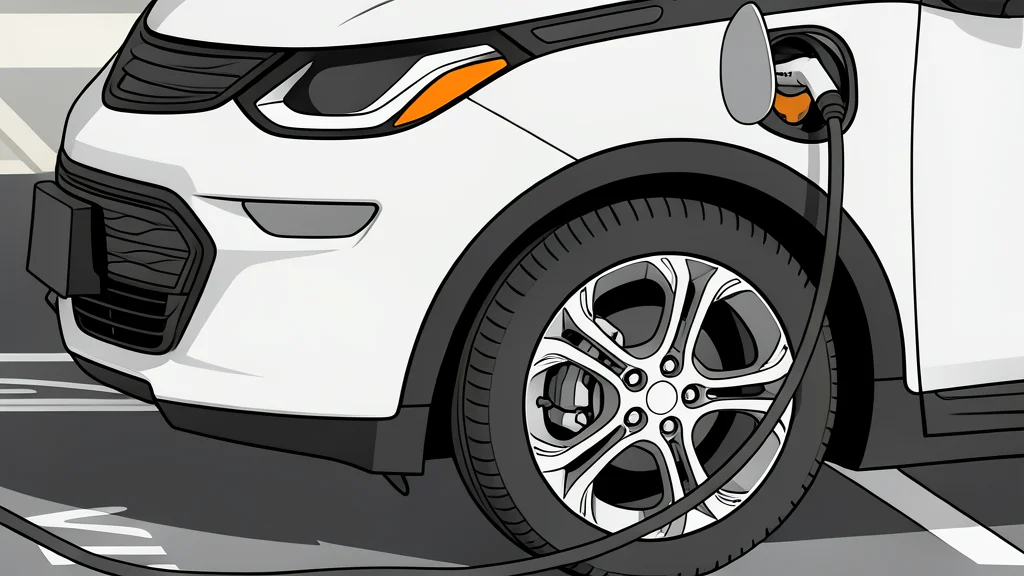
Charging an electric vehicle is not simply a matter of plugging in; it involves understanding different levels of power and environmental conditions. Many owners are surprised to learn that a standard household outlet can charge an EV, albeit slowly, which is a viable backup if dedicated infrastructure is unavailable. Additionally, cold weather significantly impacts battery performance. Preconditioning the battery before charging or driving can improve efficiency and reduce charging times, but this feature is often buried in user manuals or ignored during the sales process. Without this knowledge, drivers may experience longer wait times and reduced range in winter months, leading to dissatisfaction with the vehicle's capabilities.
The lack of clear communication about these nuances is a systemic failure in the EV adoption process. Dealerships and manufacturers must prioritize education over sales, ensuring that buyers understand the trade-offs and benefits of electric power. As reported by GN auto tech/ev, the gap between product capability and user understanding remains a major hurdle. Until the industry provides consistent, clear guidance on range management and charging best practices, many potential buyers will continue to view electric vehicles with skepticism, fearing that they lack the simplicity and reliability of their traditional counterparts.