100-Amp Service Can Support EV Charging with Proper Planning
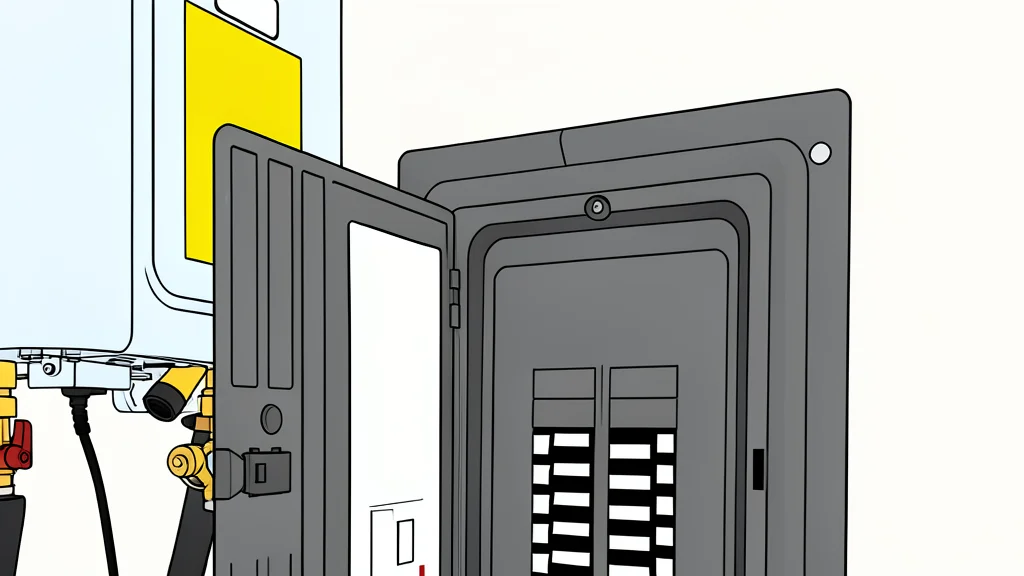
A new townhouse buyer questioned if their 100-amp electrical service is enough for a 48-amp charger. Experts say it is possible, but only if you run the math first.
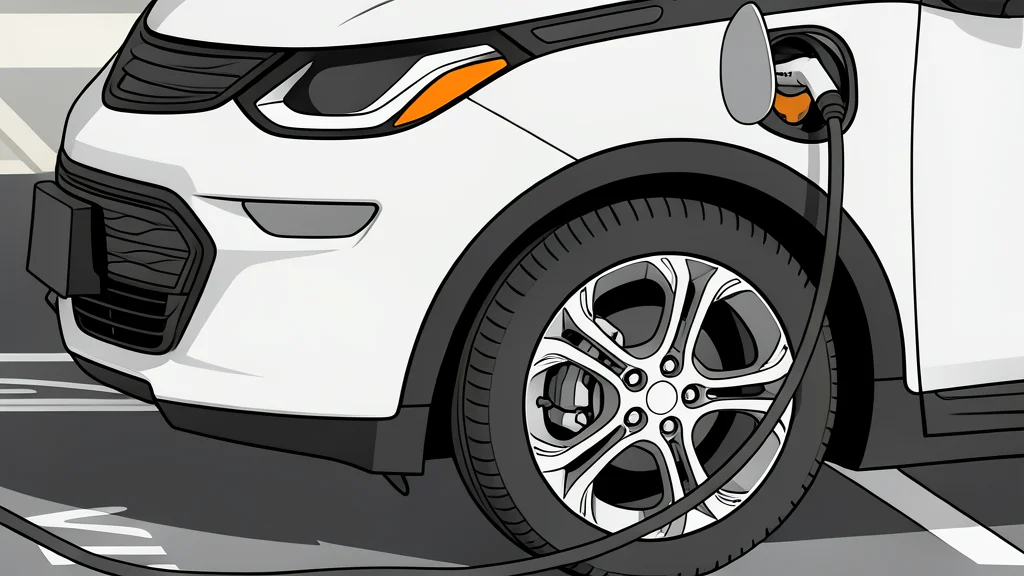
A first-time townhouse buyer recently shared a concern that strikes at the heart of modern home planning: whether a standard 100-amp electrical service can handle an electric vehicle charger alongside daily appliances. The buyer, who currently uses a 48-amp charger, found that their new unit comes without dedicated EV wiring. This gap forced a quick assessment of whether the existing infrastructure could support their driving habits without major renovations.
The core issue is not simply whether the car can plug in, but whether the house can handle the combined load. As noted by the outlet GN auto tech/ev: electric vehicle, home charging is most useful when it coexists with ordinary household demands like air conditioning and laundry. A 100-amp service is on the lower end for modern homes, meaning every additional draw requires careful calculation to avoid tripping breakers or overloading the system.
Load calculations determine charging limits
Commenters on the buyer’s thread consistently advised against guessing. Instead, they recommended a formal load calculation by a licensed electrician. This process analyzes the total demand of the home to determine how much power is available for a charger. It is the only way to know if a 48-amp setup is safe or if a smaller, slower charger is the better option for that specific property.
Slower charging may be sufficient
For many drivers, high-speed charging is not a daily necessity. Several users pointed out that a standard 120-volt outlet on a 20-amp circuit can cover typical commutes of 30 miles per day. While this takes longer to fill a battery, it avoids the high cost of upgrading the electrical service. If your driving habits are modest, a simple plug-in solution may be the most financially sound choice.
Upgrading service before moving in
If the buyer is still in the construction phase, upgrading to a 200-amp service is a viable option. This future-proofing step allows for more flexible electrification later, such as adding heat pumps or larger EV chargers. The trade-off is the immediate cost of the upgrade, but it may be cheaper than retrofitting the electrical system after the house is finished and occupied.