Battery-Backed Chargers Ease UK Grid Limits for Fleets
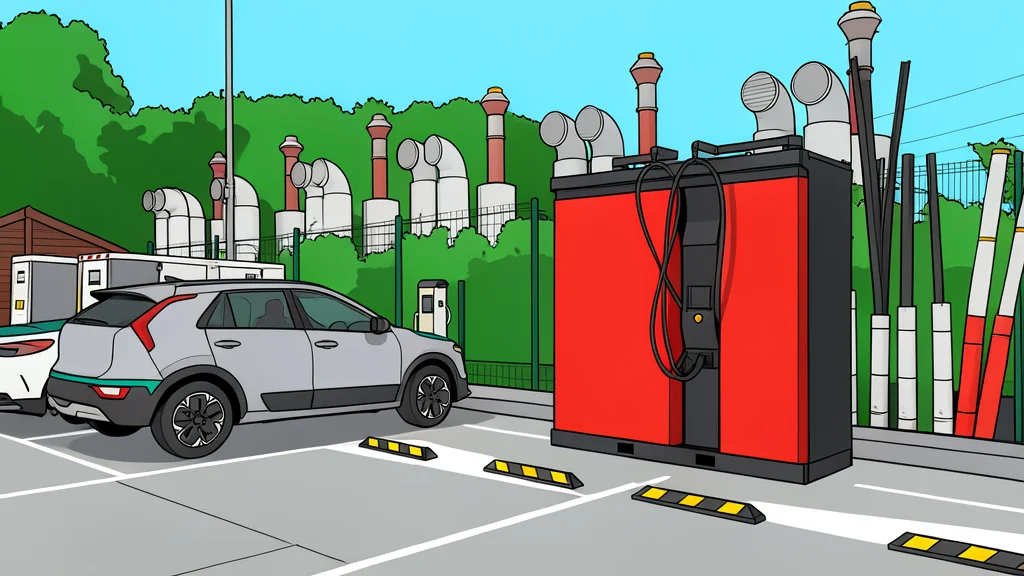
A new charging system uses built-in storage to bypass grid bottlenecks, allowing commercial electric vehicles to recharge quickly without expensive infrastructure upgrades.
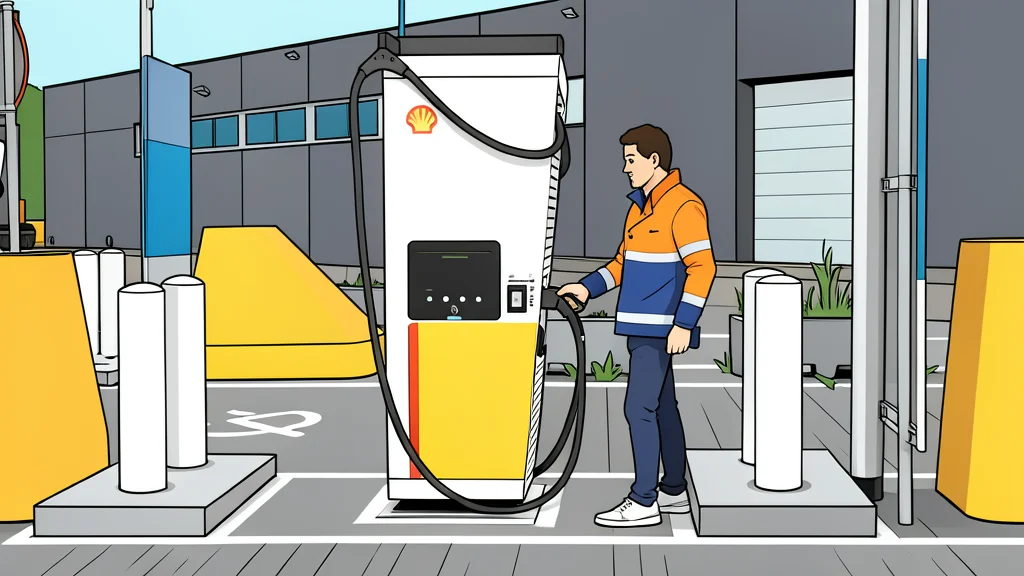
Commercial electric vehicle operators in the UK are facing a common obstacle: the local power grid often cannot support the rapid charging required for heavy-duty fleets. TUAL has introduced a solution called the PowerUp Charger, which pairs high-power direct current charging with an integrated battery storage unit. This system is now active at three sites operated by SP Energy Networks, following a successful pilot program in Cheshire.
The technology addresses a specific operational pain point for utility companies that rely on 24/7 vehicle availability. By storing energy when the grid has spare capacity and releasing it during peak demand, the system reduces the strain on local infrastructure. This approach allows companies to install fast-charging capabilities in locations where traditional grid connections are too slow, expensive, or physically constrained to support immediate high-power draw.
Built-in storage bypasses grid limits
The core mechanism of the PowerUp Charger is its ability to decouple charging time from grid capacity. According to GN auto tech/ev: electric vehicle, the unit draws electricity from the available supply and stores it in an on-site battery. When a vehicle arrives for a charge, the system delivers high-power direct current from this stored energy rather than relying solely on the real-time grid feed. This buffer allows the charger to operate at speeds that would otherwise exceed the local line’s limits.
For SP Energy Networks, this capability is critical because their vehicles must be ready for emergency response at any moment. Their operational windows are tight, often limited to 30-minute breaks or restocking visits. The integrated battery ensures that the charger can deliver the necessary energy within these short windows without waiting for the grid to stabilize or requiring a dedicated, high-capacity line that might take years to approve and install.
Rapid deployment reduces engineering costs
A significant advantage of this approach is the reduction in civil engineering requirements. Traditional high-power charging stations often necessitate heavy-duty foundations and complex electrical upgrades to handle the load. In contrast, the PowerUp system is designed to be lighter and more modular. This design allows for quicker installation and lower upfront capital expenditure, which is a major trade-off for companies looking to electrify fleets without facing multi-year construction delays.
Flexibility is another key benefit. The units can be relocated if site requirements change or if a different location becomes more operationally critical. For SP Energy Networks, this portability means they can adapt their charging infrastructure to match changing operational needs without incurring the costs of permanent, fixed installations. This agility is particularly valuable for utility companies that must maintain service continuity across a wide geographic area.
Operational resilience for critical fleets
The rollout covers sites in Middlewich, Liverpool, and Cambuslang near Glasgow. These locations were selected because they represent typical scenarios where grid constraints limit electrification efforts. By using the PowerUp system, SP Energy Networks can ensure their electric fleet remains charged and operational, supporting their mission to keep power flowing for customers. The system effectively turns a grid limitation into a manageable variable, providing a reliable charging path for mission-critical vehicles.
While the technology offers clear benefits in speed and flexibility, it is not without complexity. The reliance on integrated battery storage means the system has its own maintenance and lifecycle considerations. However, for operators who cannot wait for grid upgrades, this trade-off is acceptable. The solution provides a practical way to achieve fleet electrification in the near term, aligning with the urgent operational needs of utility providers who cannot afford downtime.