BMW I4 Convertible Brings Electric Power to the Drop-Top Segment
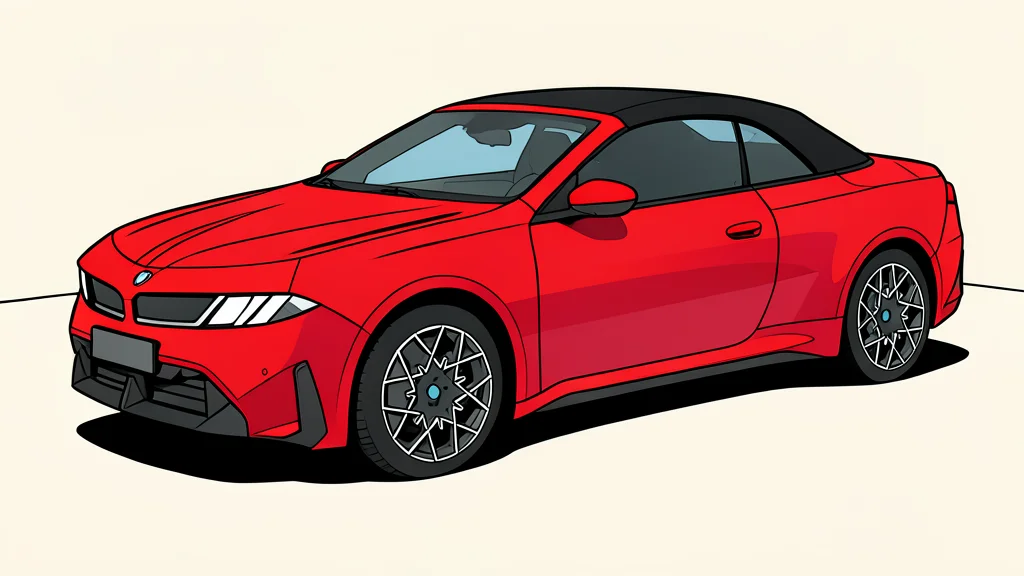
BMW is developing its first electric convertible, the i4, to replace the gas-powered 4 Series. The new model promises over 400 miles of range and a futuristic interior, though the fabric roof may impact cargo space.
BMW is preparing to enter the electric convertible market with the i4, a vehicle designed to replace the current gas-powered 4 Series drop-top. According to reporting by GN auto tech/ev: electric vehicle, the car is currently undergoing road tests in Europe near the company’s Munich research center. Because prototypes are being tested with production bodies, the model is not far from launch, signaling a concrete shift away from internal combustion engines in this specific niche.
The i4 Convertible is part of BMW’s Neue Klasse family, a new generation of electric vehicles. It is expected to debut in 2028, with the United States potentially being among the first markets to receive it. Until then, the traditional 4 Series Convertible will remain on sale, creating a period where both electric and gas-powered drop-tops are available to buyers.
Design focuses on clean lines and visibility
The exterior design mirrors the new i3 Sedan, featuring a merged light signature where the headlights and grille area form a single visual element. This approach creates a sleek, modern look that distinguishes it from older BMW models. The car will use an electrically folding fabric roof rather than a hard top, a choice made to reduce overall vehicle weight and improve efficiency.
The interior is designed to be minimalist, removing the traditional instrument cluster behind the steering wheel. Instead, driving information is projected onto the lower section of the windshield through a technology called Panoramic Vision. A large floating touchscreen handles infotainment and climate control, while optional massage and heating features aim to keep the cabin comfortable for long drives.
Performance targets long range and quick acceleration
The standard dual-motor version is expected to produce 463 horsepower and achieve an EPA-estimated range of over 400 miles. This range is a significant improvement over many current electric cars, addressing the common concern about limited travel distance. The vehicle should accelerate from 0 to 60 mph in approximately 4.4 seconds, with a top speed electronically limited to 124 mph.
A higher-performance iM4 variant is also anticipated, likely arriving a few years later. This version is expected to break the 3.5-second mark for 0 to 60 mph acceleration and offer a higher top speed. Buyers can choose between rear-wheel drive and all-wheel-drive configurations, depending on their preference for efficiency or traction.
Trade-offs include cargo space and roof durability
While the electric powertrain offers strong performance and range, the convertible body style comes with inherent compromises. The folding fabric roof mechanism takes up space in the trunk, reducing cargo capacity compared to a sedan. Additionally, fabric roofs may require more frequent maintenance or replacement than hard-top alternatives, which is a consideration for owners in harsh climates.
The transition period until 2029 allows consumers to compare the two powertrains directly. However, as gas models phase out, the i4 will become the primary option for those seeking a drop-top experience. The decision to prioritize range and interior tech over maximum cargo space reflects BMW’s strategy to make the electric version the definitive choice in its segment.