BMW's Hydrogen SUV Plans Face Infrastructure Reality Check
BMW is moving its hydrogen-powered iX5 from prototype to production, promising quick refueling times and long range. However, the vehicle's success depends on a network of stations that barely exists in most markets.
BMW has released new details on the iX5 Hydrogen, marking the first time a hydrogen fuel cell vehicle from the brand is set to enter full production. While the company has experimented with this technology for years, this model represents a shift from limited prototypes to a standard offering for customers. The move comes at a time when most competitors are focusing exclusively on battery-electric vehicles, making BMW's commitment to hydrogen a distinct strategic bet.
According to reports from GN auto tech/ev: electric vehicle, the vehicle offers a range of up to 466 miles on a single tank. The primary selling point is speed: refueling takes less than five minutes, a significant advantage over the hours required to charge a large battery. For drivers who need consistent, quick turnaround times, this addresses a common frustration with battery-electric cars, though it relies on a different infrastructure entirely.
Shared architecture simplifies manufacturing
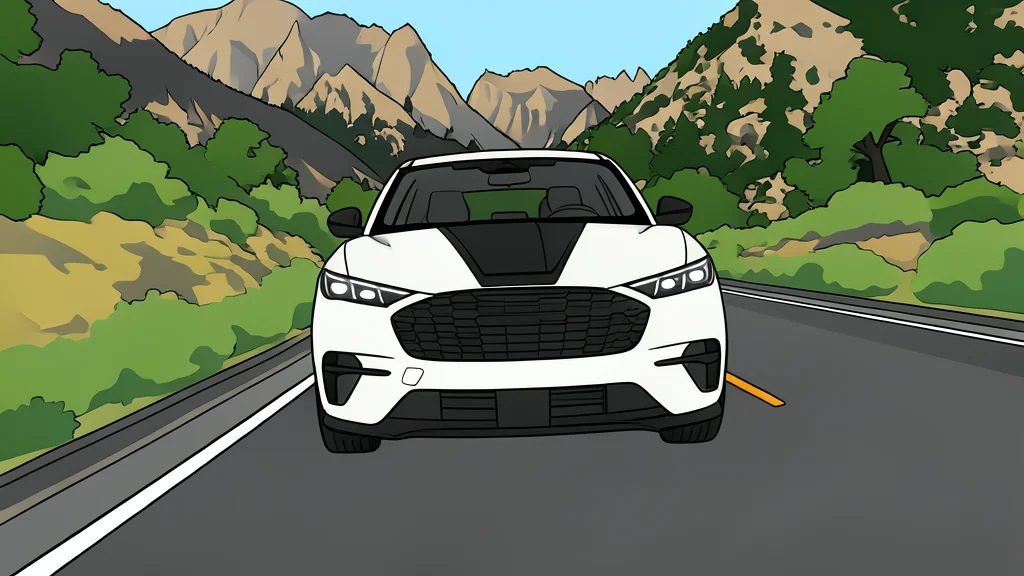
The engineering approach makes this vehicle easier to produce than previous hydrogen concepts. BMW designed the seven hydrogen tanks to fit into the same space normally occupied by a large battery pack. This means the iX5 Hydrogen shares the same underlying platform as the standard X5 family. The result is a car that looks and feels like a regular SUV, with no significant changes to interior space or overall proportions.
This integration allows BMW to offer multiple powertrain options on a single chassis. The hydrogen version retains the all-wheel-drive system and electric motors found in its battery-electric sibling. Drivers can expect similar performance, including a sprint to 62 mph in under five seconds. By keeping the basic structure identical, the company avoids the cost and complexity of building a unique vehicle from scratch.
Refueling infrastructure remains a major hurdle
Despite the technical advantages, the practical use of the iX5 Hydrogen is limited by where you can fill it up. Hydrogen stations are far less common than gas pumps or battery chargers in most regions. A car that can refuel in five minutes is only convenient if a station is located nearby. In many areas, finding a hydrogen station could require a significant detour, negating the time saved at the pump.
This infrastructure gap is the biggest trade-off for buyers. While the vehicle itself is ready for production, the supporting network is not yet widespread. BMW is partnering with Toyota to advance this technology, but expanding the station network is a slow and expensive process. Until that network grows, the iX5 Hydrogen may remain a niche option for those with specific needs or access to existing stations.
Timeline and market positioning
The iX5 Hydrogen is expected to go on sale later this decade, possibly around 2028. Before that, BMW will launch other versions of the X5, including gas, diesel, plug-in hybrid, and battery-electric models. The hydrogen version will sit alongside these options, offering an alternative for those who prioritize refueling speed over charging flexibility. It is not a replacement for battery-electric vehicles but a different solution for different driving patterns.
For most consumers, the battery-electric iX5 will remain the primary choice due to the wider availability of charging options. The hydrogen model serves a specific role, appealing to drivers who cannot or do not want to wait for long charging sessions. Whether it gains traction will depend on how quickly infrastructure expands and how BMW positions it against the more established battery-electric alternatives.