Agility Robot Digit 5 Moves Closer to Public Markets

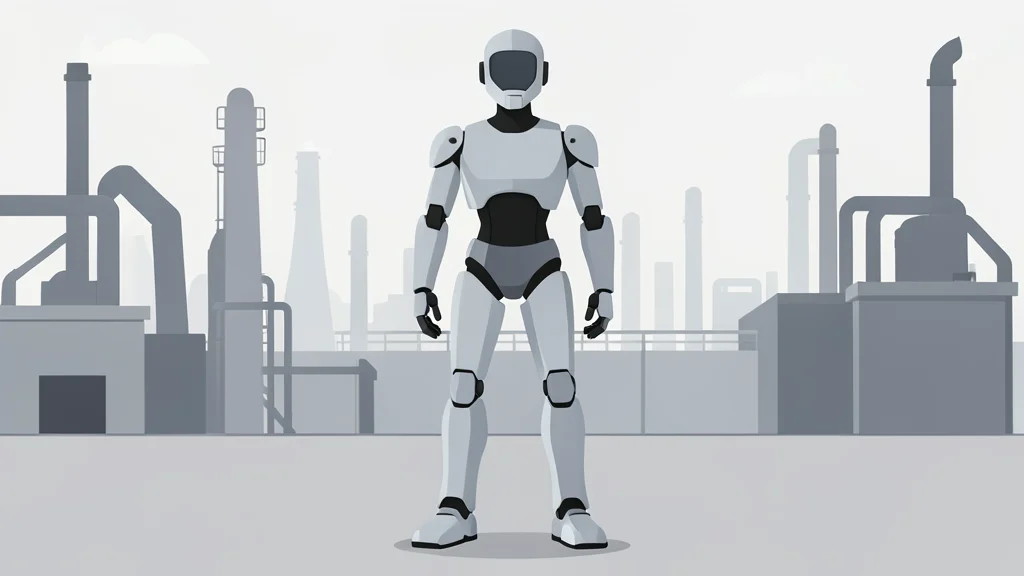
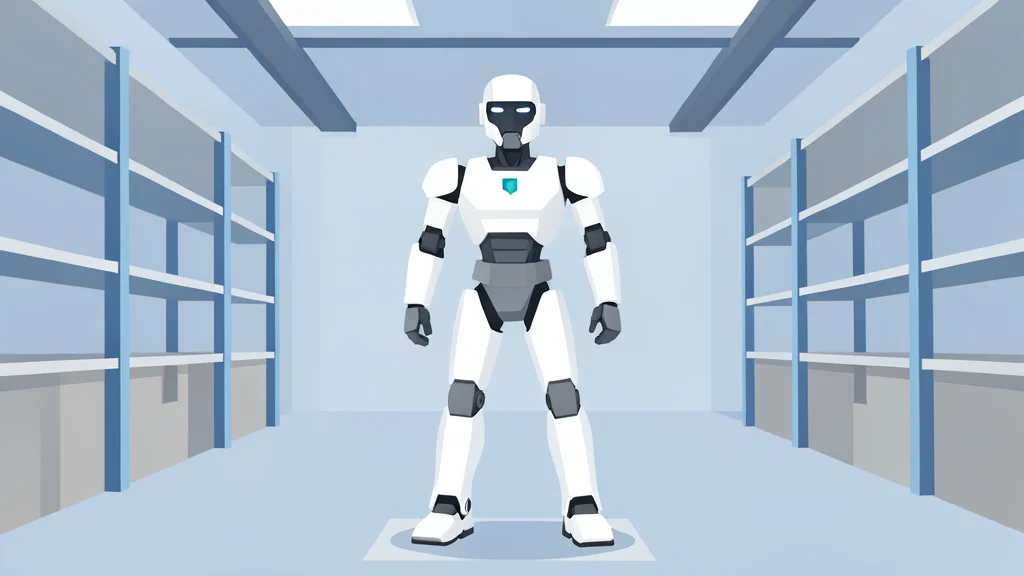
Agility Robotics is preparing to list on public markets after unveiling its fifth-generation humanoid robot, Digit 5, which is designed to work safely around humans in industrial settings.
Agility Robotics has revealed its latest humanoid robot, Digit 5, marking a significant shift toward working directly alongside human workers. The company, which emerged from a lab at Oregon State University eight years ago, is preparing to go public via a special purpose acquisition company before the end of the year. This move follows the release of detailed financial information that highlights a major customer commitment for the new model.
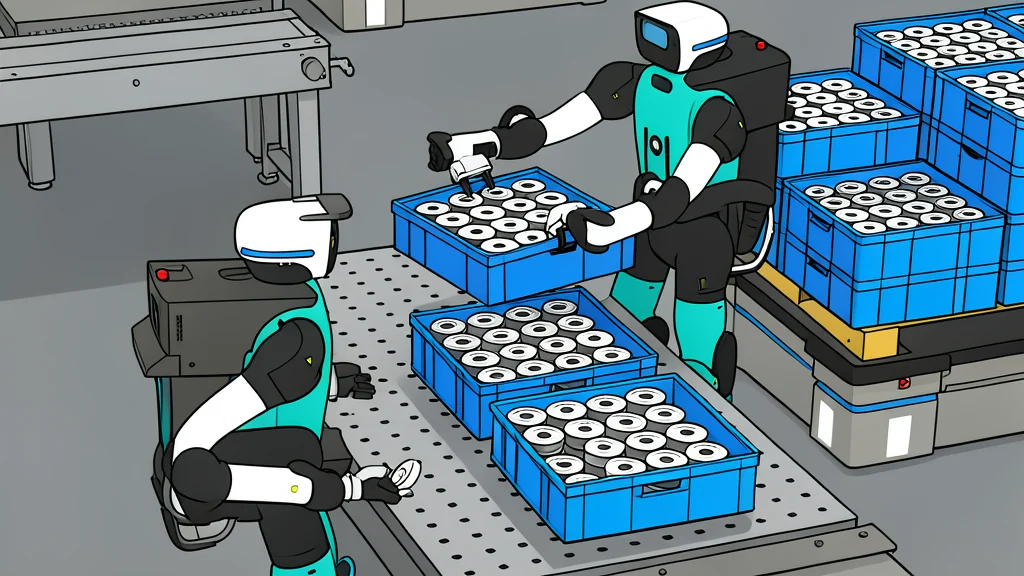
The update emphasizes a practical approach to deployment, distinguishing Agility from many competitors in the humanoid field. CEO Peggy Johnson stated that the new robot is ready for broader use after extensive testing. The company aims to establish a strong presence in the market by leveraging its experience with previous models, which have accumulated significant operational hours in real-world environments.
Safety Features Enable Human Proximity
A primary advantage of Digit 5 is its ability to operate in close proximity to people, a capability that was previously restricted. The robot is equipped with 360-degree sensors and updated software that allow it to detect humans and adjust its behavior accordingly. If a person gets too close, the robot will lower itself to the ground and wait until the path is clear, ensuring safety without constant human intervention.
This level of safety is referred to as cooperative safety, which allows the machine to navigate around workers without direct physical contact. The company notes that achieving this standard required meeting specific requirements set by insurance providers. These insurers are essential for the deployment of such automation, as they must be confident that the risk of harm to humans is sufficiently mitigated.
Financials and Market Expansion Plans
Agility has disclosed a substantial $300 million contract for the deployment of Digit 5, which represents the majority of its current customer commitments. The company is also offering a leasing model known as Robot-as-a-Service, priced at $8,500 per month. This pricing structure is intended to make the technology accessible to a wider range of industrial clients who may not have the capital for outright purchase.
The firm projects a steady increase in the number of units in operation over the next decade. Estimates suggest approximately 800 units will be deployed by 2027, rising to 7,000 by 2030, and potentially reaching 25,000 by 2035. This growth trajectory relies on the company's ability to scale production and maintain the reliability required for continuous industrial use.
Trade-Offs in Real-World Deployment
Despite the advancements, there are limitations to the current capabilities of the robot. At this stage, Digit 5 is not designed for direct physical interaction with humans, such as handing over objects or working in tandem on a single task. This constraint means that while the robot can share the workspace, it cannot yet perform tasks that require tactile cooperation with people.
The transition from isolated operation to collaborative work remains a significant hurdle. Industry experts note that achieving the next level of safety, known as collaborative safety, will require further development and regulatory approval. Until then, the robot will continue to function as an autonomous worker that avoids humans rather than interacting with them, a trade-off that defines the current state of humanoid robotics.