BYD Cuts Dolphin Price to Under $30,000 in Australia
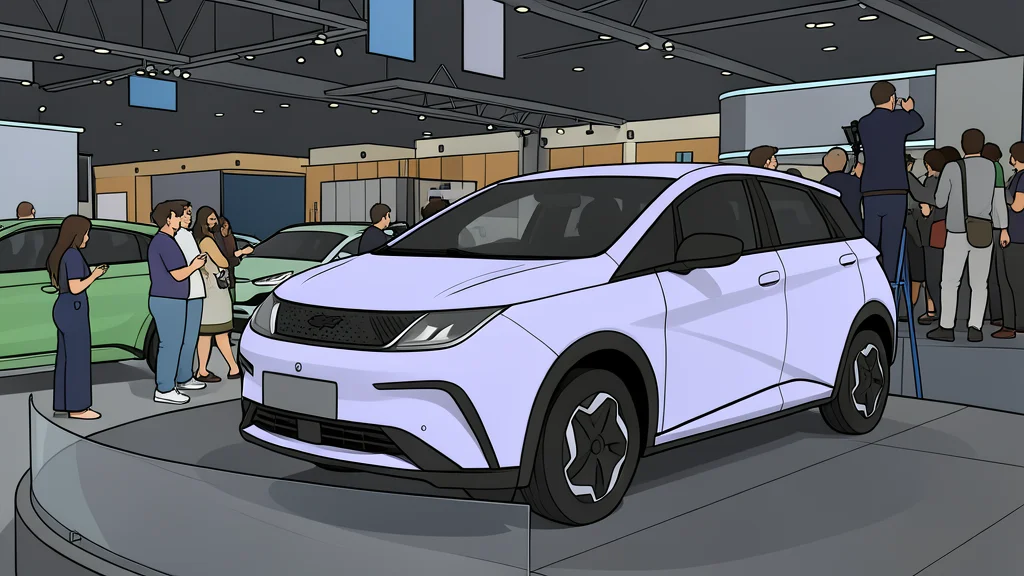
BYD has reduced the driveaway price of its Dolphin electric hatchback to $28,888, making it one of the most affordable new cars in the Australian market. This move follows a recent price cut for the smaller Atto 1 and aims to compete directly with other low-cost electric vehicles.
Chinese automaker BYD has lowered the price of its Dolphin electric hatchback to $28,888 driveaway, a reduction of more than $4,400 from the previous base model cost. This adjustment makes the vehicle cheaper than many small petrol-powered cars, challenging the traditional perception that electric vehicles remain a premium purchase. The offer is available to customers who order the car by mid-December and take delivery before the end of 2026.
According to GN auto tech/ev: electric vehicle, this price cut positions the Dolphin as a direct competitor to models like the MG4 Urban and Geely EX2. The move comes just one week after BYD reduced the price of its entry-level Atto 1, signaling a broader strategy to capture market share in the affordable EV segment. With sales of the Dolphin bouncing back in the first eight months of the year, the brand is leveraging high consumer interest in electrification to drive further volume.
Two variants offer distinct trade-offs
The Dolphin lineup consists of two primary variants, each with different performance characteristics. The base Essential model features a 70 kW motor and a 44.9 kWh battery, providing a WLTP range of up to 340 km. This version is designed for city driving and shorter commutes, offering sufficient power for urban environments but limited capability for long-distance travel.
The Premium variant increases output to a 150 kW motor and expands the battery capacity to 60.48 kWh, extending the range to 427 km. It also supports faster DC charging at 80 kW compared to the base model's 60 kW. However, this comes at a significant cost, with the Premium model priced over $40,000 driveaway in states like NSW, a difference of more than $11,000 from the entry-level offer.
Charging speed remains a practical limit
While the price reduction makes the car more accessible, the charging infrastructure requirements remain a consideration for buyers. The base model's 60 kW peak DC charging speed is adequate for urban use but slower than newer competitors that offer higher power intake. Drivers who frequently travel long distances may find the Premium variant's higher charging rate and larger battery more suitable, though the upfront cost is substantially higher.
Market competition intensifies weekly
The electric hatchback market is becoming increasingly crowded, with new brands entering the space and established players cutting prices regularly. This competitive pressure is driving down costs, making now a potentially favorable time for consumers to switch from petrol vehicles. As more options become available, the choice for buyers expands, but the rapid pace of change means prices and models may continue to shift in the coming months.