BYD Orders Ten More Massive Car Carriers for Global Expansion
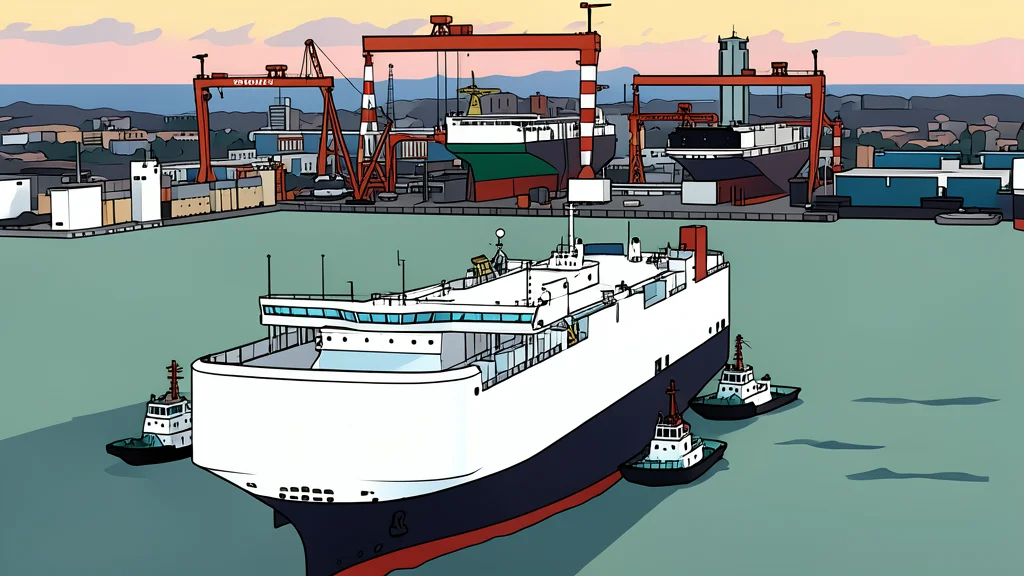
The Chinese electric vehicle giant is significantly expanding its dedicated shipping fleet to support a rapid surge in international exports, aiming to secure its supply chain for Europe and North America.
BYD has placed an order for ten additional pure car and truck carriers, each capable of holding 9,200 vehicles. This move follows last year’s launch of the BYD Shenzhen, which currently holds the record for the world’s largest car carrier. By adding these new ships, the Chinese manufacturer is building a dedicated maritime fleet designed to handle the growing volume of vehicles it is exporting to markets in Europe and North America.
According to reports from maritime industry sources cited by Electrek, this new order will bring BYD’s total owned fleet to 18 vessels. All of these ships are powered by liquefied natural gas, a choice that reduces emissions compared to traditional heavy fuel oil. The combined capacity of the fleet exceeds 130,000 vehicles, allowing the company to control its own logistics rather than relying solely on third-party shippers.
Riding the wave of export growth
The decision to invest heavily in shipping infrastructure reflects the scale of BYD’s recent sales performance. In the United Kingdom, the brand has registered over 110,000 vehicles since launching its first model in March 2023. Registrations have surged by 98% in the first eight months of this year, pushing BYD’s share of the new car market to nearly 3.5%, up from under 2% the previous year.
Similar momentum is visible across the continent and in North America. Data indicates that BYD exported 184,000 passenger vehicles from China in the last month alone, a 131% increase year-over-year. Through August of this year, total exports have reached 1.1 million vehicles, representing a nearly 90% rise compared to the same period last year. This rapid expansion necessitates reliable and timely delivery methods to keep dealerships stocked.
The cost of vertical integration
While owning a fleet provides independence, it is not without trade-offs. Building and maintaining such a large number of specialized vessels requires massive capital expenditure. Unlike standard container ships, car carriers are complex structures with multiple decks and high fuel consumption during transit. For BYD, this means a long-term financial commitment to maritime logistics, a sector that is often seen as a cost center rather than a profit generator.
However, the risk of relying on external shipping partners is high. In a global market where supply chain disruptions can halt production or sales, having direct control over the movement of goods ensures that vehicles reach customers on schedule. The shift to LNG-powered ships also aligns with broader environmental goals, though the environmental benefit is offset by the sheer volume of shipping required to move over a million vehicles annually.
Strategic control over global supply
This expansion underscores a broader trend in the automotive industry, where manufacturers are increasingly verticalizing their supply chains. By securing their own transport capacity, BYD insulates itself from port strikes, shipping rate fluctuations, and allocation disputes that affect competitors. It is a defensive strategy that ensures the company can sustain its growth trajectory in competitive markets like the UK and the EU, where demand for electric vehicles continues to rise.