BYD Unveils Larger Second-Gen Seagull with 127 Hp Motor and LiDAR
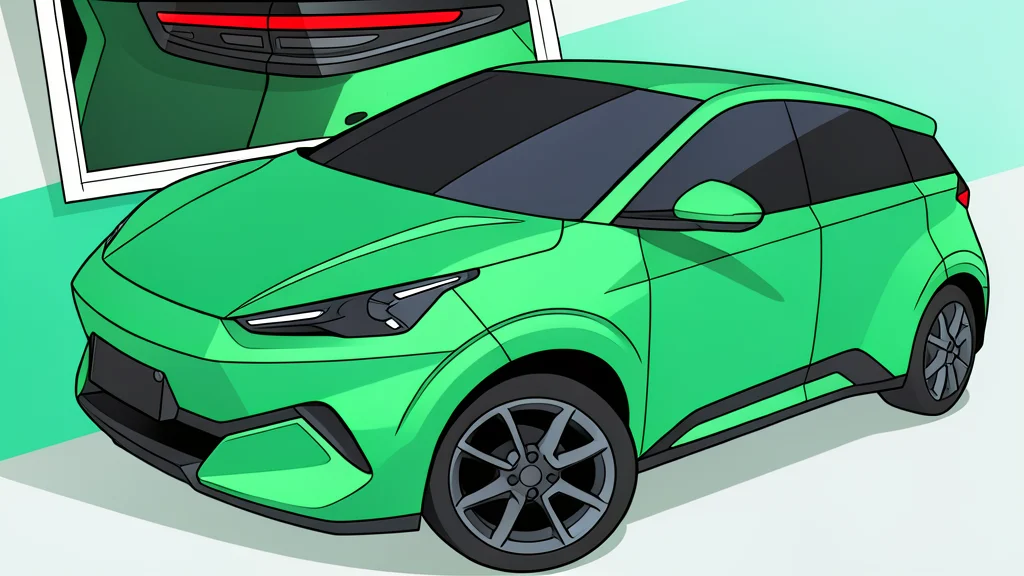
The next-generation BYD Seagull is significantly larger and faster than the current model, featuring a new 95 kW motor and advanced driver-assistance hardware.
Key points
- The second-generation BYD Seagull will be 4,205 mm long, significantly larger than the current 3,780 mm model.
- It features a 95 kW motor producing 127 hp, a major upgrade from the current 55 kW unit.
- Roof-mounted LiDAR indicates the inclusion of advanced autonomous driving systems in the new version.
BYD has released design sketches for the second-generation Seagull, marking a substantial shift from its current ultra-budget positioning. The updated vehicle is noticeably larger and more powerful, signaling an upgrade in both performance and interior space for one of the world’s best-selling electric hatchbacks.
According to Electrek, the new model, internally referred to as the Great Seagull, is expected to reach the market by the end of 2026. While the current Seagull is famous for its low price point, starting at roughly $10,000 in China, the successor appears to target a slightly higher segment with more advanced technology and capabilities.
Significant dimensional growth
Regulatory filings in China reveal that the new Seagull will measure 4,205 millimeters in length, a jump of over 400 millimeters compared to the current 3,780 millimeter model. The wheelbase also expands to 2,650 millimeters, which typically translates to more passenger legroom and cargo capacity.
This increase in size is a strategic move to compete with other compact electric vehicles in the global market. By offering more physical space, BYD aims to make the vehicle more practical for daily family use without sacrificing its core identity as an affordable commuter car.
Power and charging upgrades
The heart of the new Seagull is a 95 kW electric motor, delivering 127 horsepower. This is a dramatic increase from the current model’s 55 kW motor, which produces only 75 horsepower. The additional power should result in quicker acceleration and a higher top speed, addressing a common criticism of the original vehicle's performance.
The car is also expected to feature BYD’s second-generation Blade Battery and Flash Charging technology. These updates promise faster charging times and improved energy density, making the vehicle more convenient for drivers who rely on public charging infrastructure or longer road trips.
Advanced safety hardware included
Spy images show a LiDAR sensor mounted on the roof, a feature rarely seen in entry-level electric vehicles. This hardware suggests the new Seagull will be equipped with BYD’s God’s Eye B advanced driver-assistance system, offering sophisticated autonomous driving capabilities.
The inclusion of LiDAR and high-level ADAS is a significant trade-off. While it enhances safety and automation, it likely contributes to a higher price tag compared to the current model. Buyers can expect a premium over the current €22,900 European starting price, though it should remain under €30,000 to stay competitive.