Tesla FSD Bug Falsely Flags Clean Cameras for Service
Owners of Tesla's latest update are receiving false alerts claiming their cameras are dirty, prompting unnecessary service visits.
Key points
- Tesla FSD version 14.3.9 incorrectly alerts drivers that their cameras are dirty, prompting unnecessary service visits.
- Tesla has confirmed the bug and is canceling service appointments and offering refunds to affected owners.
- The issue stems from overly sensitive visibility detection in Tesla's camera-only system, which misreads glare as obstruction.
Tesla’s newest Full Self-Driving software update is mistakenly telling drivers that their camera lenses are dirty, even when they are perfectly clean. This software glitch triggers an urgent alert on the dashboard, instructing owners to book a service appointment to clean the windshield, a task that is unnecessary and potentially costly.
The issue arises from version 14.3.9, which has been rolling out to vehicles since mid-September. While the company has confirmed the fault and is canceling the erroneous service bookings, the experience highlights a significant trade-off in Tesla's camera-only approach to autonomous driving: the difficulty of distinguishing between actual obstruction and normal optical conditions like bright sunlight.
False alerts disrupt driver experience
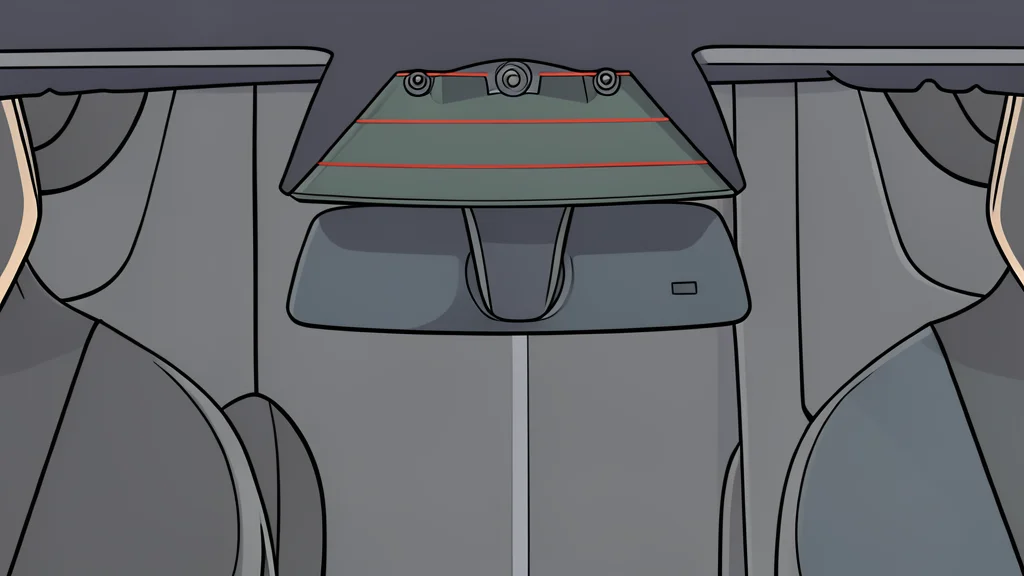
Drivers who installed the update began seeing a message stating that poor camera visibility was detected and that interior windshield cleaning was required. Reports from online forums and support interactions show that this alert appears regardless of the actual cleanliness of the glass. The software appears to be misinterpreting glare or bright sun as a blockage, leading to what feels like a false emergency.
Tesla has acknowledged the problem and is proactively reaching out to cancel service appointments that were booked in response to these alerts. For those who have already paid for a cleaning or inspection, the company has indicated that refunds are available. A subsequent software build, version 14.3.10, is expected to resolve the issue, though the specific technical changes remain unconfirmed in public release notes.
Sensitivity tuning creates new risks
As noted by tech outlet Electrek, this incident illustrates the ongoing challenge of calibrating vision-only systems. Tesla appears to have increased the sensitivity of its visibility detection algorithms, likely to better catch genuine issues like fog or dust. However, this adjustment has overshot, causing the system to cry wolf over minor optical artifacts. This creates friction for users who may begin to distrust critical safety warnings.
Reliability remains a major hurdle
For a system aiming to achieve unsupervised self-driving, reliability is paramount. The fact that the software cannot reliably distinguish between a clean windshield and a dirty one suggests that the technology is still maturing. While a false alert is an annoyance rather than an immediate safety danger, it points to a broader limitation: camera-based systems lack the redundancy of lidar or radar, making them more susceptible to environmental noise and software errors.