Toyota to Build 200,000 Range-Extender EVs in China by 2027
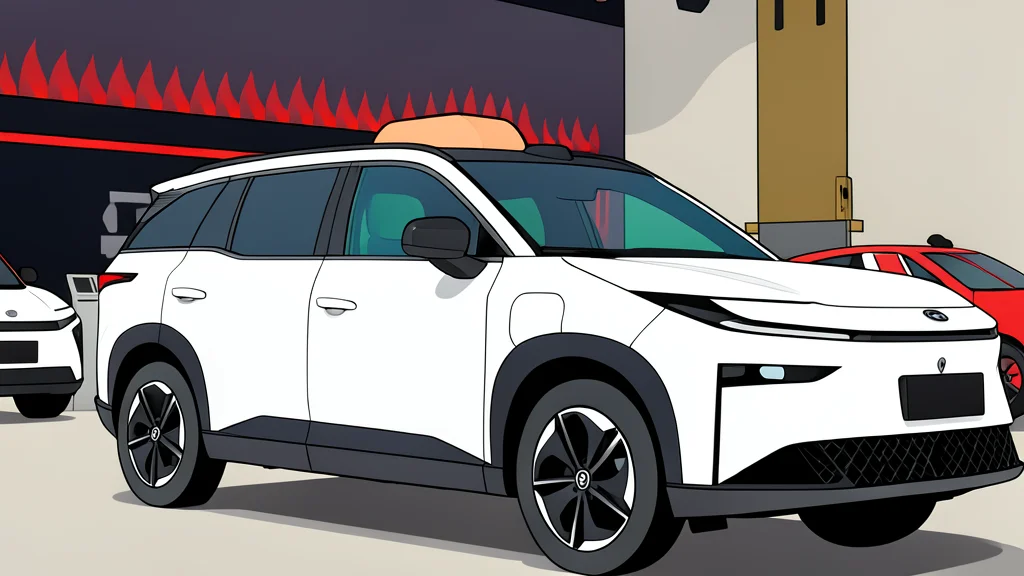
Toyota plans to produce 200,000 extended-range EVs in China next year, aiming to avoid the domestic price war by using gas engines to charge batteries.
Key points
- Toyota plans to produce 200,000 extended-range EVs in China in 2027, rising to 400,000 units by 2028.
- The strategy aims to avoid China's intense price war by offering higher-priced models with greater range flexibility.
- Extended-range vehicles are less efficient than pure EVs and require regular engine maintenance, but eliminate range anxiety.
Toyota is set to enter the extended-range electric vehicle market in China, with production scheduled to begin in the spring of 2027. The Japanese automaker plans to manufacture 200,000 units in its first year and double that output to approximately 400,000 by 2028, marking a significant pivot in its global strategy.
This move places Toyota alongside other major manufacturers like Hyundai and Ford, who are also adopting this technology. Unlike pure battery-electric vehicles, these models use a small gasoline engine to recharge the battery pack, allowing drivers to travel longer distances without relying solely on public charging infrastructure.
Avoiding the domestic price war
The primary driver for this strategy is the intense competition in China, the world's largest electric vehicle market. Domestic brands such as BYD have driven prices down significantly, creating a difficult environment for foreign competitors. According to electrek.co, Toyota executives view extended-range models as a way to offer higher value and avoid being dragged into a race to the bottom on price.
By positioning these vehicles above the most affordable battery-electric options, Toyota aims to maintain healthier profit margins. This approach allows the company to compete on technology and range rather than competing directly with low-cost domestic rivals on price alone, a tactic that has pressured many foreign automakers in the region.
Efficiency trade-offs and maintenance costs
However, this technology comes with distinct trade-offs for consumers. Extended-range vehicles are generally less energy-efficient than pure battery-electric vehicles because the combustion engine adds weight and mechanical complexity. Additionally, the presence of a gas engine means owners must still perform regular maintenance, such as oil changes, which is not required for fully electric cars.
While these models are often quieter and cheaper to purchase than traditional plug-in hybrids, they do not offer the lowest running costs of any vehicle type. Toyota is betting that buyers will accept these drawbacks in exchange for the convenience of not needing to stop for charging on long trips, a benefit that remains a concern for many drivers.
Reliance on Chinese components
To make this strategy work, Toyota is increasingly relying on local supply chains. The company sources a large percentage of its parts from within China, including batteries from suppliers like BYD and software from local developers. This integration allows Toyota to reduce costs and improve competitiveness in the local market.
This shift represents a departure from Toyota's traditional approach of developing core technologies in-house. By leveraging Chinese manufacturing and components, the company aims to catch up with domestic rivals who have already established strong footholds in the electric vehicle sector. The success of this strategy will depend on whether consumers prefer the flexibility of extended-range models over pure electric alternatives.