Toyota Targets 200,000 Extended-Range EVs in China by 2027
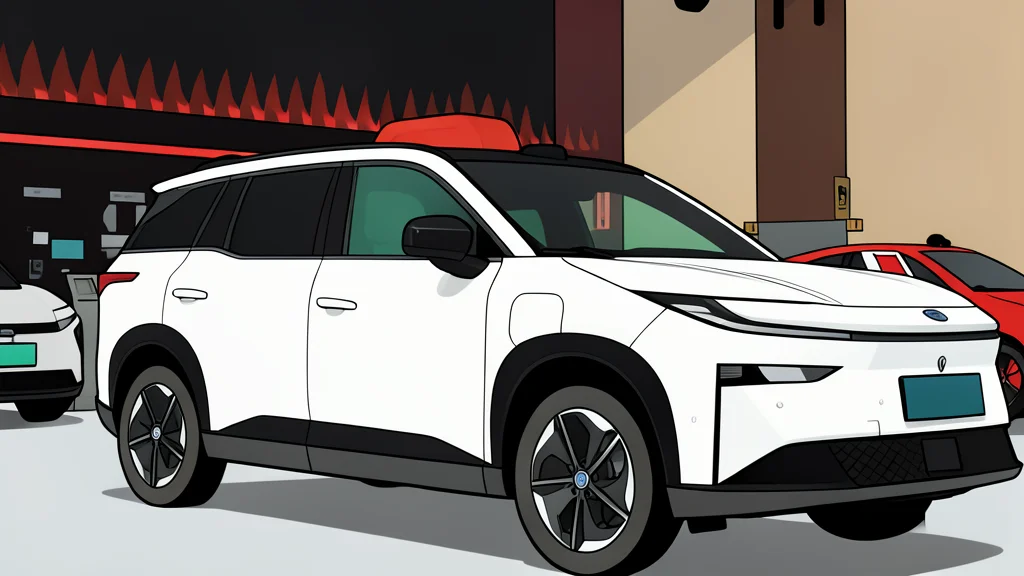
Toyota will launch a gas-charged electric vehicle in China next spring, aiming to avoid the price war dominating the pure battery market.
Key points
- Toyota will launch its first extended-range electric vehicle in China in Spring 2027, targeting 200,000 units initially.
- The strategy aims to avoid the severe price wars in the pure battery electric vehicle market by offering a premium alternative.
- The vehicle will rely heavily on Chinese supply chains, including local batteries and software, to remain cost-competitive.
Toyota is set to enter the extended-range electric vehicle market with a model scheduled for release in 2027. This move marks a significant departure from the Japanese automaker's traditional reliance on standard hybrids, as it seeks to compete in a sector where the battery is charged by an internal combustion engine rather than solely by plugging in.
The strategy is primarily aimed at the Chinese market, the world's largest for new energy vehicles. According to reports cited by Electrek, Toyota plans to begin production in China next spring with an initial target of 200,000 units. This approach allows Toyota to offer a vehicle that drives like an electric car but retains the flexibility of a gasoline engine, addressing range anxiety for consumers in regions with limited charging infrastructure.
How extended-range technology works
An extended-range electric vehicle, or EREV, uses a small gasoline engine to generate electricity for the battery when it runs low. The wheels are driven exclusively by electric motors, meaning the car operates silently and smoothly in electric mode. The engine acts only as a generator, not a direct power source for the wheels, which distinguishes it from traditional plug-in hybrids.
This setup typically involves a smaller battery than a pure battery electric vehicle but a smaller engine than a standard plug-in hybrid. While this makes the vehicle generally more expensive to maintain due to the presence of an engine, it offers a practical compromise for drivers who need longer ranges without frequent stops for charging.
Avoiding China's pricing pressure
Toyota is betting that EREVs can command higher prices than pure battery electric vehicles, helping the company avoid the intense price wars in China. Domestic brands like BYD have driven prices down significantly for standard electric cars, making it difficult for foreign automakers to compete on cost alone. By positioning the EREV as a more advanced or premium option, Toyota aims to maintain better profit margins.
A Toyota executive noted that the market is fixated on battery electric vehicles, leading to aggressive discounting. The company believes that offering a different technology type allows it to sidestep this direct competition. Production is expected to double to 400,000 units in 2028, reflecting confidence in this differentiated strategy.
Reliance on local supply chains
To make this vehicle competitive, Toyota is increasingly relying on components sourced from within China. This includes batteries from local manufacturers and autonomous driving software from Chinese tech firms. This trend is part of a broader shift among Japanese automakers, who are integrating local technology and manufacturing practices to catch up with regional competitors.
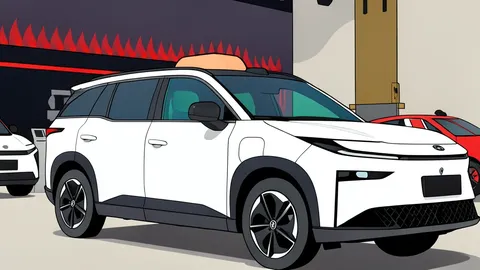
This local sourcing strategy is already evident in Toyota's existing models, such as the bZ3X, which uses a high percentage of parts from Chinese suppliers. By embedding itself deeper into the local supply chain, Toyota reduces costs and gains access to rapidly evolving technologies, though it also increases its dependency on the Chinese market ecosystem.