Chinese EVs Capture Growing Share of UK Corporate Fleet Market
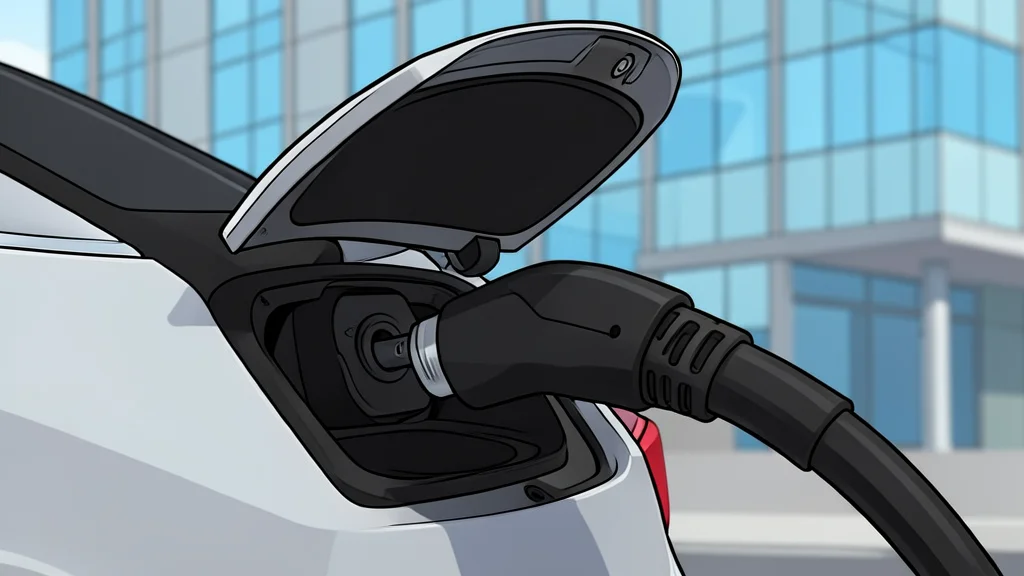
Corporate fleets in the UK are increasingly adopting Chinese electric vehicles, driven by lower costs and strong specifications rather than brand prestige.
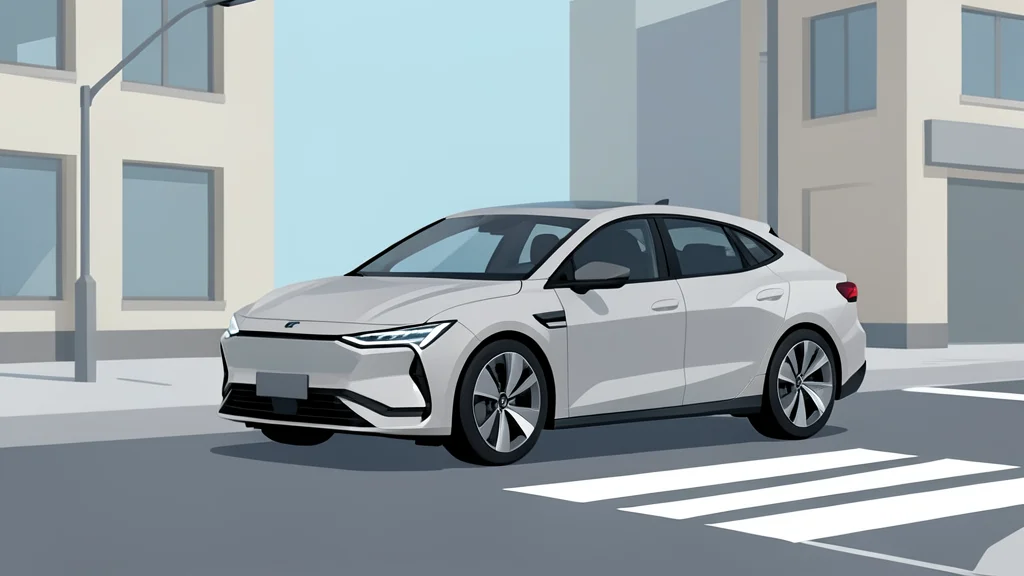
Chinese-made electric vehicles are rapidly gaining ground in the UK corporate sector, now accounting for 17% of all fleet electric vehicle market enquiries. This shift marks a departure from traditional brand loyalty, with decision-makers prioritizing commercial metrics over heritage. The trend is particularly notable because it represents a direct volume adoption rather than just initial curiosity, signaling a structural change in how businesses source their transport fleets.
According to data from Leasing.com, this uptake is driven by a combination of lower list prices, high-standard specifications, and attractive Benefit-in-Kind (BIK) tax rates. For companies looking to reduce operational costs while meeting environmental targets, these factors create a compelling financial case. The data indicates that 61% of all fleet enquiries for Chinese manufacturers are specifically for fully electric models, suggesting that businesses are using these new entrants to accelerate their transition to zero-emission fleets.
Price and Specs Drive Corporate Choice
The core appeal for fleet managers lies in the monthly cost structure. Average business lease payments have dropped by 10.3% to £397 a month, a trend that Chinese brands are furthering by offering high-spec models that fit within strict monthly spending caps. Mike Fazal, CEO of Leasing.com, notes that these brands offer strong range and generous standard equipment without the premium associated with legacy brands. This allows companies to secure more vehicle capability for the same budget, a trade-off that prioritizes immediate cash flow savings over long-term brand equity.
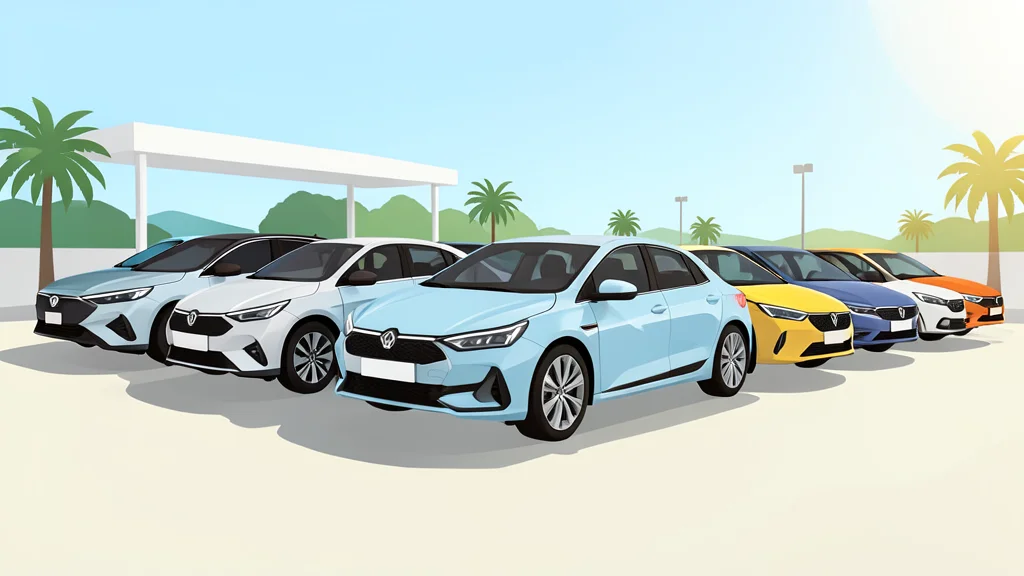
BYD has emerged as the dominant player in this segment, attracting 41.6% of all Chinese fleet enquiries. This gives the brand an estimated 6.6% share of the total UK fleet leasing market. Specific models like the Seal and Sealion 7 are capturing significant portions of the Chinese segment, with the Seal taking 17% and the Sealion 7 taking 16.9%. The concentration of demand on these specific electric models suggests that fleet buyers are making calculated choices based on model-specific value propositions rather than broad brand recognition.
Electric Models Outpace Consumer Demand
A distinct difference exists between consumer and commercial behavior regarding vehicle types. While pure electric vehicles account for 41.6% of general consumer enquiries, that figure climbs to 56% across business fleets. This disparity indicates that companies are not turning to Chinese brands for petrol or hybrid alternatives, but are actively using them to hit corporate zero-emission targets. The corporate sector is leveraging the specific strengths of Chinese EVs—typically lower entry costs for high-tech electric platforms—to drive down the total cost of ownership for their electric transitions.
This shift highlights a broader trend where legacy badges are becoming less relevant in the corporate procurement process. Fleet decision-makers operate on strict commercial metrics, and when a new brand offers a product that fits the budget and the environmental mandate, it secures a spot on the choice list. The implication for the wider market is that the competitive landscape is being reshaped by value-driven adoption, potentially forcing established manufacturers to adjust their pricing and specification strategies to remain competitive in the fleet sector.
Implications for Future Fleet Procurement
As Chinese brands continue to expand their presence, the pressure on traditional automotive manufacturers to offer competitive electric options will likely intensify. The current data suggests that the UK market is moving past the phase of initial intrigue into a stage of sustained volume adoption. For businesses, this means a wider choice of affordable electric options, but also a need to carefully evaluate the long-term support and residual value implications of choosing newer market entrants over established names.
The trade-off here involves balancing immediate financial benefits against potential uncertainties in resale value or service network availability for newer brands. However, the current data from Leasing.com shows that for many corporate clients, the immediate savings and compliance benefits outweigh these risks. The result is a fleet market that is increasingly defined by economic efficiency and technological specification, rather than historical brand loyalty.