The Hidden Safety Sound in Electric Cars
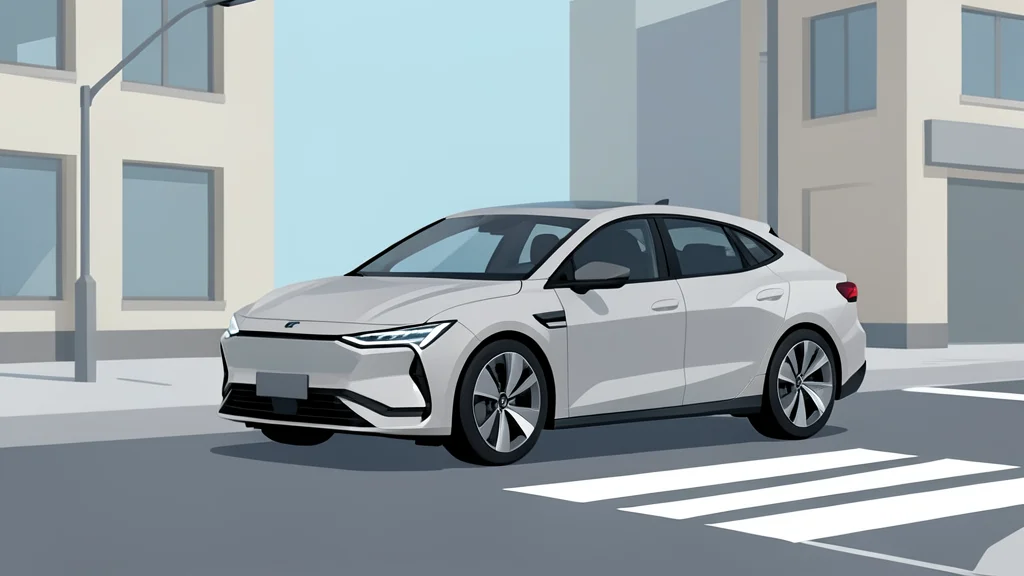
Electric vehicles produce a distinct hum at low speeds, a mandatory feature designed to protect pedestrians who rely on hearing rather than sight to detect approaching traffic.
Standing on a quiet city street, a passing electric car may seem unnaturally silent. However, this silence creates a significant safety gap for blind and visually impaired pedestrians who traditionally rely on engine noise to gauge a vehicle's distance and speed. To address this, manufacturers are required to equip these vehicles with a specific acoustic warning system.
This feature, known as an Acoustic Vehicle Alerting System, generates a subtle whoosh or hum when the car is moving slowly. The sound is not arbitrary; it is a legal requirement aimed at restoring the auditory cues that combustion engines provided for decades. It ensures that road users who cannot see the vehicle can still hear it approaching, particularly in low-speed environments like parking lots and pedestrian crossings.
European law mandates audible warnings
European regulations clearly define when these sounds must activate. The system must engage from the moment the vehicle starts until it reaches approximately 20 km/h (12 mph). It must also operate during reversing. This specific speed range is critical because tire and wind noise are minimal at these velocities, leaving the vehicle almost inaudible without the artificial signal.
The rules also require that the sound changes as the vehicle accelerates. This variation helps pedestrians determine the direction and speed of the car. As reported by GN auto tech/ev: electric vehicle, this framework aligns with broader United Nations standards that prioritize safety in areas where visual detection is difficult or impossible.
Brands design unique soundscapes
While the law sets the technical boundaries, it leaves the actual tone up to the manufacturers. This has led to a new branch of automotive design where companies collaborate with composers and sound engineers. BMW, for instance, worked with renowned composer Hans Zimmer to create a futuristic soundscape for its electric models. The sound is intended to feel modern and responsive to the driver's inputs.
Other brands have taken different approaches. Fiat chose a nostalgic route for its electric 500, using a melody originally composed for a classic film. Jaguar focused heavily on practical safety, spending years testing its sound with guide dog organizations to ensure it was audible outside the car but not distracting inside. These choices reflect a balance between brand identity and functional safety.
The sound fades at higher speeds
It is a common misconception that this warning sound persists throughout the drive. In reality, the acoustic system is a targeted intervention. Once the vehicle exceeds the low-speed threshold, natural sounds from tires rolling on the road and aerodynamic drag become loud enough to alert pedestrians. The artificial hum is designed to stop, preserving the quiet nature of electric driving at normal highway speeds.
This creates a practical trade-off. Drivers retain the smooth, quiet experience that makes electric vehicles appealing, while pedestrians gain a reliable auditory cue during the most vulnerable moments of interaction. The system is not meant to replicate the roar of a gasoline engine, but to fill the specific silence gap that exists at low speeds. It is a subtle compromise that prioritizes safety without sacrificing the core aesthetic of electric mobility.