Chinese SUVs Raise Questions on Car Data Privacy
New Chinese SUVs dominate UK roads, reigniting debates over in-car surveillance. While specific scrutiny targets Chinese brands, Western manufacturers also collect extensive driver data.
A new wave of affordable, feature-rich SUVs from Chinese manufacturers is rapidly becoming common on British roads. Models from brands like Jaecoo and BYD are attracting buyers who want the look of premium vehicles at a lower price point. However, this market shift has intensified concerns about where driver data goes and who controls it.
The worry is that these vehicles act as data collection hubs, sending personal information to servers in China. Yet, as reported by GN technics/security (en-US), the issue is not unique to Chinese automakers. Modern connected cars, regardless of origin, have evolved into complex monitoring systems that track user behavior in ways many drivers do not fully understand.
Surveillance extends beyond Chinese models
While Chinese brands face heightened scrutiny, legacy Western manufacturers also gather vast amounts of data. For instance, Land Rover’s privacy policy indicates it logs a vehicle’s last parked location by default, along with detailed journey metrics such as speed and route history. Similarly, Kia’s policies note the collection of voice data to support in-car controls.
Recent research suggests this is a systemic industry issue rather than a regional anomaly. A 2023 study by Mozilla researchers found that all 25 car brands reviewed failed to meet basic consumer privacy standards. These companies, including Tesla, BMW, and Toyota, were found to be collecting sensitive details like facial expressions, health status, and location histories.
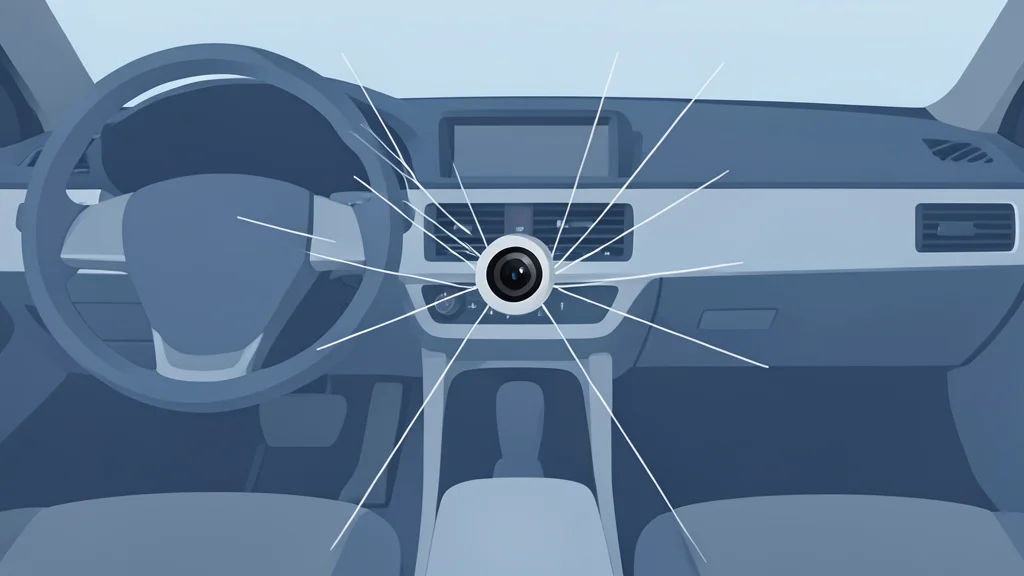
The technology behind this collection is becoming increasingly sophisticated. Automakers are integrating in-cabin cameras and sensors that can detect driver fatigue or emotional states. Ford, for example, recently filed a patent for software that reads a driver's lip movements. While framed as a safety feature, these tools contribute to a broader trend of vehicles acting as mobile monitoring hubs.
Complex policies obscure data usage
The real challenge for consumers lies in the opacity of privacy agreements. These documents are often layered and difficult to decipher, even for privacy experts. Jaecoo’s policy, for example, explicitly states that its terms do not cover the processing of personal data during vehicle use, without providing a clear link to a separate policy that does.
This lack of transparency creates a significant trade-off. Drivers gain access to advanced convenience features, such as voice control and automated safety checks, but they do so in exchange for a stream of personal data. The catch is that users rarely have a clear understanding of how this information is processed, stored, or shared with third parties.
Drivers face unclear data stakes
The rise of connected cars means that privacy is no longer a niche concern but a central part of the ownership experience. Whether the vehicle is built in China or Europe, the underlying architecture of data collection is increasingly similar. The distinction between a 'Chinese' privacy threat and a general automotive one is blurring.
Consumers are left to navigate a landscape where the default setting is often data sharing. Without clearer regulations or simpler policy language, drivers must accept that their vehicles are constantly observing their habits. The ultimate cost is not just financial, but a gradual erosion of personal autonomy on the road.