Coral Charge Deploys Off-Grid EV Charging Hubs
A Los Angeles-based company is bypassing utility grid delays by installing solar-powered fast chargers that operate independently in days.
Electric vehicle charging infrastructure is often stalled by lengthy negotiations with utility companies. Coral Charge, a Los Angeles-based firm, has developed a solution that removes the grid from the equation entirely. Their system combines onsite solar generation with battery storage to power DC fast chargers, allowing for rapid deployment in areas where traditional grid connections are slow or unavailable.
The company’s approach addresses a significant bottleneck in the expansion of EV infrastructure. By utilizing renewable energy sources directly at the point of use, Coral Charge aims to accelerate the availability of fast charging while reducing reliance on centralized power networks. This method has earned the company recognition for its innovation in the multifamily and real estate sectors.
Bypassing Utility Interconnection Delays
Traditional EV charger installations require a complex interconnection process with local utility providers, a step that can take months or even years. Coral Charge, founded in 2022 by former utility executives, designed a drop-in charger that integrates energy storage. This allows the unit to be self-sufficient, eliminating the wait for utility approval. The company states that installation can be completed in approximately seven days, depending on specific site conditions, which is a significant reduction in time compared to standard grid-connected projects.
This speed is a critical advantage for property owners and developers who want to add charging amenities without prolonged construction timelines. The trade-off, however, is the high upfront capital expenditure required for the solar arrays and battery banks. While the long-term operational costs may be lower due to energy independence, the initial investment is substantial. Not all sites are suitable for this model, as they must have sufficient space for solar canopies or panels and adequate sunlight exposure.
Monetizing Unused Real Estate Space
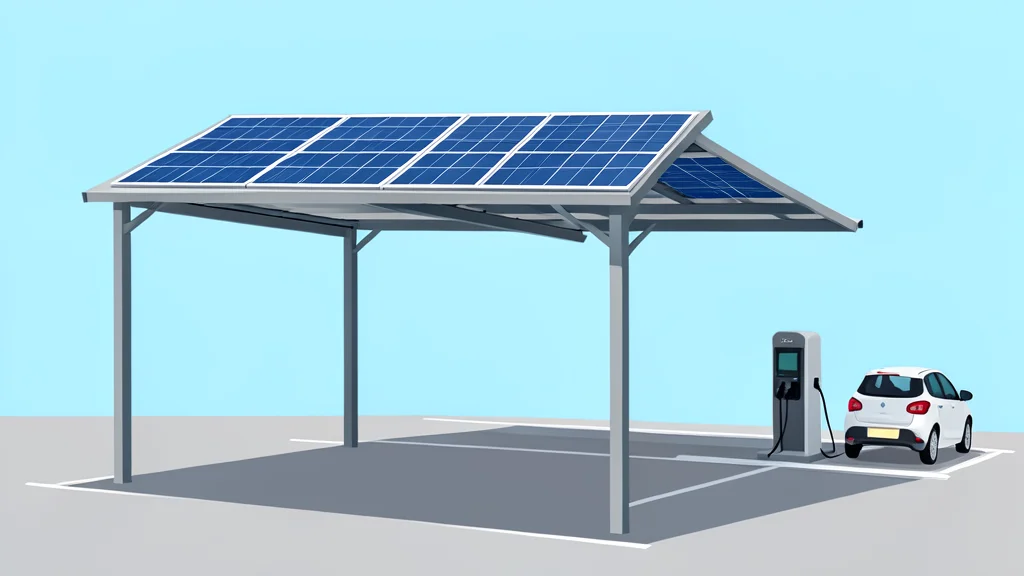
Coral Charge’s infrastructure is designed to fit into existing landscapes that currently generate little to no revenue. The company installs solar canopies over parking lots, converting shaded areas into functional energy assets. They also utilize unmonetized rooftops and vacant land along highway corridors. For property managers, this creates a new revenue stream from assets that were previously dormant. The solar canopies provide a tangible benefit to residents and customers by offering shaded parking, while the underlying technology generates electricity for charging.
According to GN auto tech/ev: electric vehicle, this model is particularly attractive for multifamily properties and commercial sites where space is at a premium. By turning underused areas into profitable charging hubs, developers can offset the costs of installation. However, the effectiveness of this strategy depends on location. Sites with limited sun exposure or high electricity demand may not achieve the same level of energy independence, potentially requiring supplemental grid power that undermines the off-grid premise.
Expansion Beyond California Markets
After establishing two initial sites in California, Coral Charge is expanding its network within the state and entering neighboring markets like Nevada and Arizona. These regions offer favorable conditions for solar energy generation, which supports the company’s business model. The expansion reflects a growing demand for reliable, fast-charging solutions that are not constrained by local grid infrastructure limitations.
The company’s strategy aligns with broader trends in the renewable energy sector, where distributed generation is becoming increasingly viable. While off-grid charging is not a universal solution, it offers a viable alternative for specific use cases. The primary challenge remains scaling this technology to meet broader demand without compromising the financial viability of individual sites. Investors and property owners must carefully evaluate the energy yield versus the cost of storage and generation equipment.