Lawmakers Debate the Urgent Need for AI Oversight

A Missouri congressman argues that federal regulation is no longer a future consideration but an immediate necessity, framing the technology as either a profound benefit or a total catastrophe.
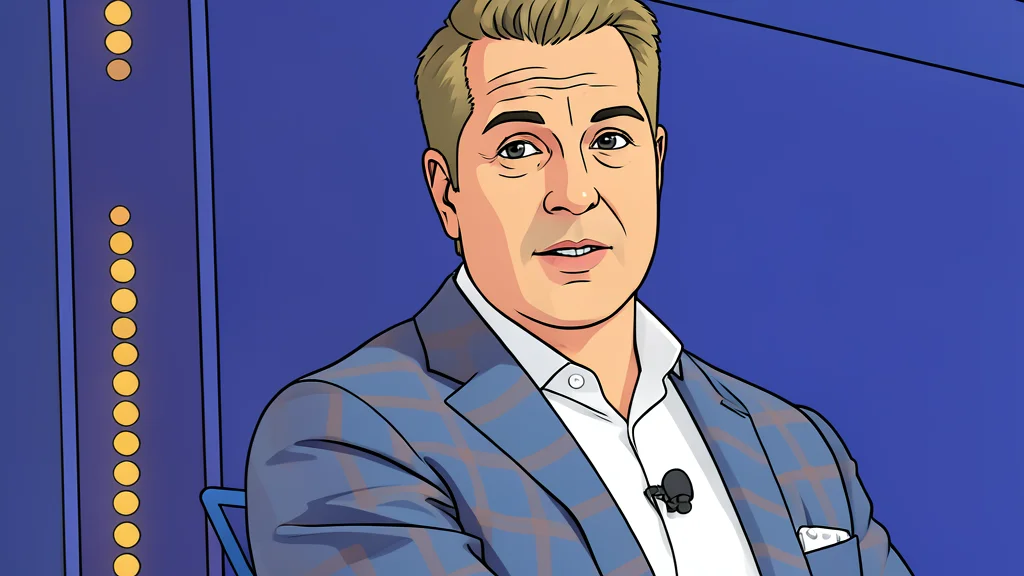
Rep. Emanuel Cleaver of Missouri recently joined a national broadcast to discuss the dual nature of artificial intelligence. He described the technology as a binary risk, capable of being the best thing to happen to society or the cause of its destruction. This stark framing moves the conversation away from abstract philosophical debates and places it squarely in the realm of immediate policy action.
The congressman’s comments come as industry leaders increasingly voice concern about the pace of deployment. Cleaver suggests that the window for effective regulation is closing rapidly. He argues that Congress must act now to establish guardrails, rather than waiting for a crisis to force their hand. This stance challenges the common political hesitation to regulate emerging technologies before widespread public harm becomes evident.
Urgency Drives Regulatory Push
According to reporting from GN technics/ai (en-US), Cleaver emphasized that the urgency of AI regulation cannot be overstated. He noted that many experts believe the need for oversight was already critical last year. This perspective aligns with warnings from researchers who feel that current legal frameworks are significantly out of step with technological capabilities.
The trade-off here involves balancing innovation with safety. Critics of strict regulation often argue that heavy-handed rules could stifle American competitiveness. However, Cleaver and other proponents of strict oversight argue that the potential risks of unchecked AI development outweigh the costs of compliance. The core stake is whether the government prioritizes short-term market growth or long-term societal stability.
Political Context Shapes Debate
These remarks were made during a discussion that also touched on Cleaver’s reelection campaign. The Supreme Court recently blocked the use of a Republican-drawn map for the upcoming midterms, a decision that has intensified political tensions. While the immediate focus was on electoral integrity, Cleaver used the platform to pivot toward the broader issue of technological governance.
The intersection of political strategy and technological policy is becoming increasingly complex. Lawmakers must navigate the expectations of both industry lobbyists and concerned citizens. Cleaver’s position reflects a growing faction within Congress that views AI not just as an economic sector, but as a critical infrastructure issue requiring the same level of scrutiny as energy or telecommunications.
Stakes Beyond Economic Growth
The potential outcomes of this regulatory battle extend far beyond software code. If AI systems are integrated into critical infrastructure, healthcare, or financial systems without proper oversight, the consequences of failure could be systemic. Cleaver’s warning about the 'end of the planet' may be hyperbolic, but it highlights the fear that existential risks are no longer the domain of science fiction.
For the average reader, this means that the decisions made in Congress over the next few years will shape how safe and accessible these tools are. The lack of clear federal standards currently creates a patchwork of state laws, which can be confusing for businesses and users alike. A unified national approach, or the deliberate choice not to have one, will define the next decade of digital life.