Chinese EV Imports to Canada Expected to Surge Soon
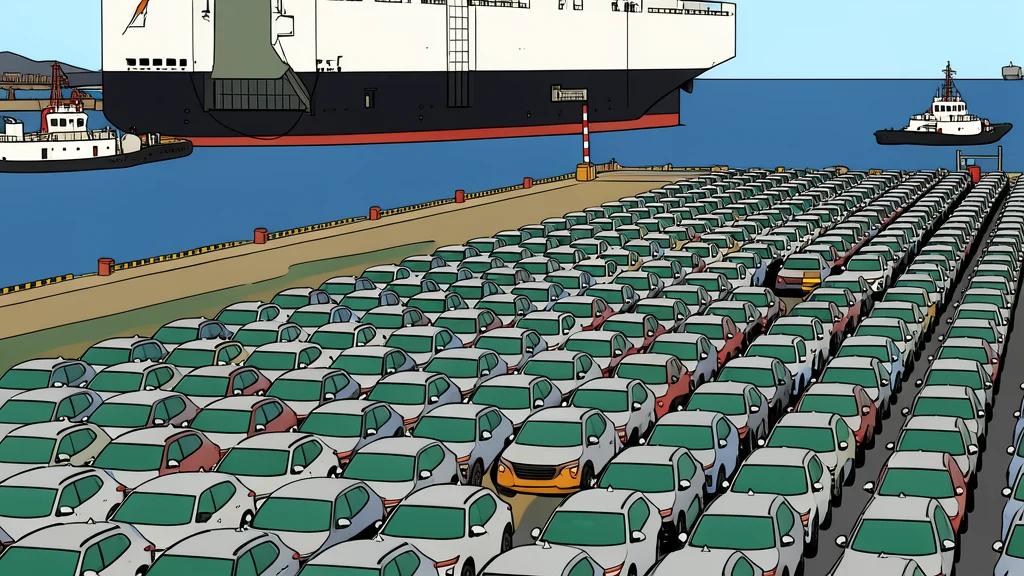
Ottawa anticipates a significant increase in Chinese electric vehicles arriving in Canada within the next six months, following the recent opening of the market.
The Canadian federal government predicts that the flow of Chinese-made electric vehicles into the country will accelerate sharply over the coming months. While the market opened earlier this year with a specific quota, the actual number of cars arriving has been slower than the total allowance might suggest. Officials attribute this delay to the complex bureaucratic and technical steps required before any new vehicle can be legally sold on Canadian roads.
In March, the government allowed up to 49,000 Chinese EVs to enter Canada at a reduced tariff rate of 6.1 per cent. As the twelve-month window approaches its midpoint, roughly 15,600 vehicles have arrived, accounting for about 31 per cent of the total quota. A spokesperson for the Minister of International Trade explained that companies are currently conducting market research and working through safety certifications with Transport Canada, a process that inherently takes time.
Safety certification creates initial delays
The primary bottleneck for new arrivals is not demand, but compliance. Automakers must certify that their vehicles meet Canadian safety standards, a process that can typically take between 12 and 24 months. However, the government is reportedly assisting Chinese manufacturers to expedite this due diligence, suggesting that the wait for new brands may be shorter than the historical average. This administrative hurdle means that while the quota is available, the cars themselves are not yet ready for distribution.
Current imports favor known brands
The vehicles arriving so far are largely from brands already familiar to Canadian consumers, including Tesla, Polestar, and Volvo. Additionally, some United States-based manufacturers, such as Ford, may have utilized parts of the quota for models like the Lincoln Nautilus Hybrid, which are manufactured in China. The data indicates that about half of these imported vehicles have a freight-on-board value of $35,000 or less, though the final consumer price is higher once duties, taxes, and other costs are added.
Trade deal balances automotive and agricultural interests
This import quota is part of a broader trade agreement announced in January, where Canada agreed to lower tariffs on Chinese EVs in exchange for reduced Chinese tariffs on Canadian canola and seafood. Industry experts note that Chinese automakers are eager to enter the Canadian market, especially as domestic sales in China have faced a prolonged decline. For Canada, the move aims to broaden consumer choice and potentially lower prices, though the immediate impact remains limited until the certification processes for new brands are completed, as reported by GN auto tech/ev: electric vehicle.