European Electric Vehicle Tech Moves from Lab to Market
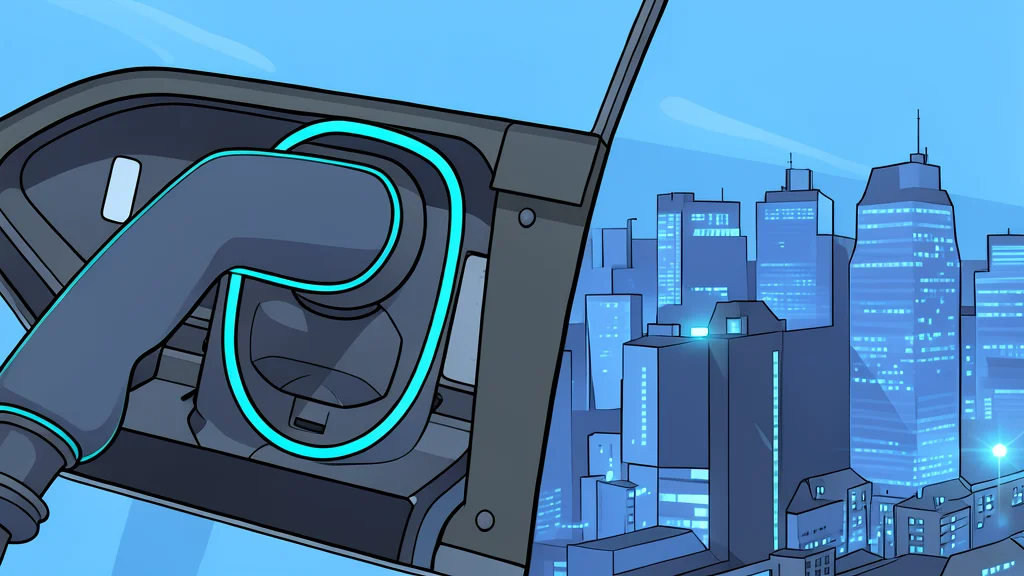
A recent EU-funded research initiative has successfully transitioned advanced power electronics from experimental stages to commercial production, aiming to make electric vehicles more efficient and durable for European consumers.
A European research project known as HiEFFICIENT has concluded its primary phase, having spent three years developing more powerful and reliable power electronic systems for electric vehicles. The initiative, supported by the European Union, focused on using wide-bandgap semiconductors to create drivetrains that are both energy-efficient and durable. Now that the research period has ended, the technology is moving into industrial deployment, with partners working to bring these innovations to the market across Europe.
According to GN auto tech/ev: electric vehicle, the project has generated tangible results that are attracting interest from major automotive manufacturers in both Europe and Asia. The core achievement is a compact on-board charger capable of bidirectional power flow, which achieves an efficiency rate of over 97 percent. This efficiency means that less energy is lost as heat during charging and discharging, directly translating to longer battery life and reduced wear on the vehicle's power system. For consumers, this represents a vehicle that holds its charge better over time and requires fewer replacements of core electronic components.
New applications extend beyond cars
The technology developed during the project is not limited to traditional road vehicles. Engineers have applied the same power electronic principles to electric vertical take-off and landing aircraft, a sector that requires extremely high power density in small packages. This expansion indicates that the underlying semiconductor embedding techniques are robust enough to handle the rigorous demands of aviation. While this opens new business opportunities, it also highlights the complexity of adapting automotive-grade solutions for high-stakes safety environments where failure is not an option.
Efficiency gains bring maintenance trade-offs
The project claims that the new power electronic solutions offer a 20 percent increase in lifetime compared to previous generations. This durability is achieved through improved thermal models and motor control algorithms that reduce noise and vibration. However, the trade-off for this increased density and efficiency is a higher complexity in the manufacturing process. Embedding semiconductors directly into printed circuit boards requires precise industrial techniques that are not yet standard across all European manufacturers. As a result, while the end product is more efficient, the supply chain must adapt to new production standards, which may slow initial rollout for some suppliers.
EU funding enabled cross-sector collaboration
The coordinator of the project noted that European Union funding was critical in bringing together a consortium that spanned the entire value chain, from semiconductor producers to vehicle manufacturers. This collaboration allowed for the de-risking of early-stage research that private companies might have avoided due to high uncertainty. The financial support accelerated the validation of these technologies, ensuring they met industrial standards before reaching the market. By enabling this cross-sector cooperation, the initiative helped align technical innovation with the broader climate and energy goals of the European transport sector.