EV Chargers and Playgrounds Remain Separated in Road Trip Planning
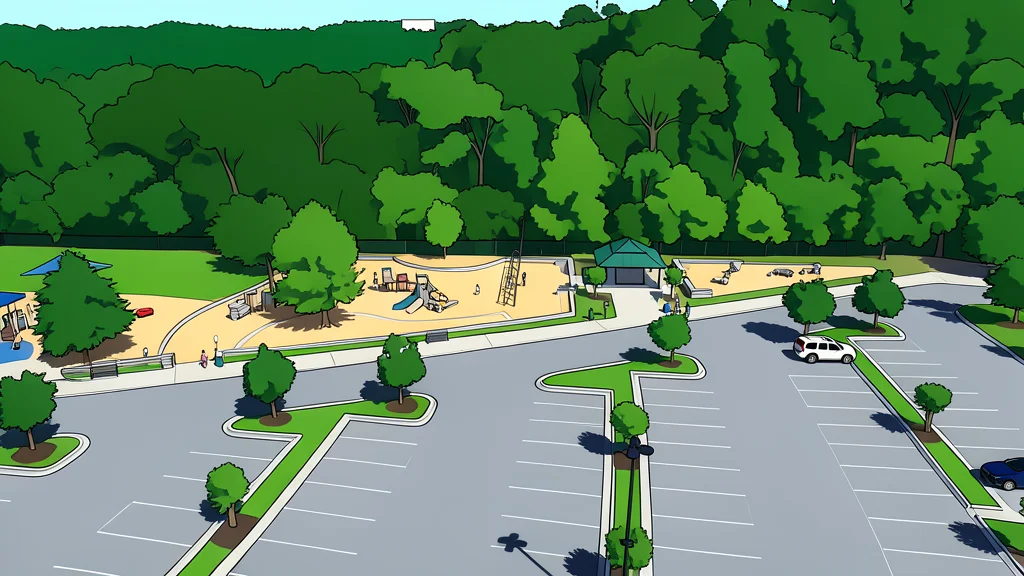
A parent’s inquiry into why fast charging stations and family-friendly rest areas rarely coincide highlights a persistent logistical gap for electric vehicle owners on long drives.
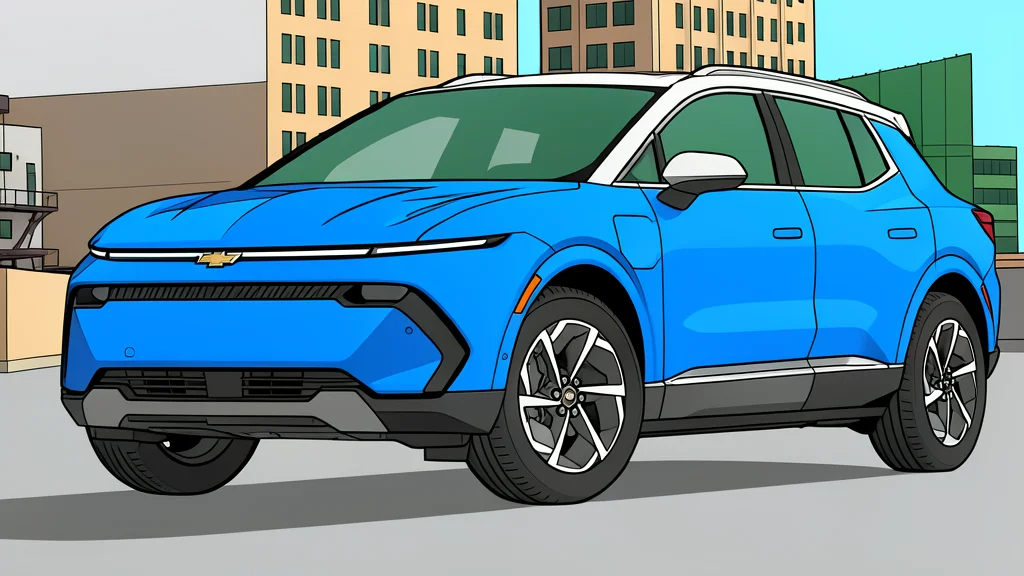
For families traveling in electric vehicles, the need to recharge often conflicts with the need for a break. A recent discussion on Reddit highlighted this frustration, noting that drivers frequently stop at charging stations that lack basic amenities like playgrounds or clean restrooms. This mismatch forces parents to choose between keeping their children engaged or ensuring their car has enough battery to reach the next destination.
The issue is not merely about convenience but about the structural design of current infrastructure. While charging networks are expanding, they are often installed in locations chosen for electrical capacity rather than user experience. This leaves a gap between where a car can be charged and where a family can comfortably rest, a disconnect that traditional gas stations have largely solved by integrating fueling, dining, and recreation under one roof.
Municipal Ownership Complicates Charging Access
One primary barrier to placing fast chargers near playgrounds is ownership. Most public playgrounds and adjacent parking lots are owned by local governments. Installing direct-current fast chargers is an expensive undertaking that requires significant electrical upgrades. Municipalities often hesitate to bear this cost without clear revenue models or broader public support, creating a hesitation that private charging networks face when trying to partner with public spaces.
This financial and administrative hurdle means that even when the opportunity exists, the implementation is slow. Unlike private corporations that can quickly deploy chargers in their own lots, public agencies must navigate procurement processes and budget constraints. This results in a landscape where high-cost charging infrastructure is rarely found in the high-traffic, family-oriented locations that would benefit most from it.
Fast Food Locations Offer a Workaround
In the absence of dedicated family charging hubs, many drivers have turned to fast-food chains as a practical alternative. Locations like McDonald's and Chick-fil-A frequently combine indoor play areas with charging stations, creating a de facto rest stop for EV families. This arrangement allows parents to keep children entertained while the vehicle recharges, effectively solving the two-part problem of energy and engagement simultaneously.
However, this solution is not universal. Not all fast-food locations have the electrical capacity for fast charging, and the availability of these amenities varies significantly by region. Relying on third-party businesses for essential travel needs adds a layer of unpredictability to long-distance trips, forcing drivers to plan around business hours and specific location inventories rather than a standardized public infrastructure.
Future Demand Shapes Infrastructure Layout
As electric vehicle adoption grows, the pressure to align charging locations with user needs is likely to increase. GN auto tech/ev: electric vehicle reports suggest that demand for better-located chargers could influence where companies and public agencies build next. If families continue to report friction in their travel experiences, it may push policymakers and investors to reconsider the site selection criteria for new charging infrastructure.
The goal is not just to add more chargers, but to place them where they serve the most people effectively. By integrating charging with rest and recreation, the industry can reduce the anxiety associated with long drives. This shift requires a move away from purely technical placement decisions toward a more holistic view of the driving experience, acknowledging that the car is part of a larger journey that includes people and their needs.