Long March 12 Debris Lands in Philippine Waters

The Long March 12 rocket launched from China, shedding debris into Philippine archipelagic waters. Officials warn of risks to maritime traffic and coastal areas.
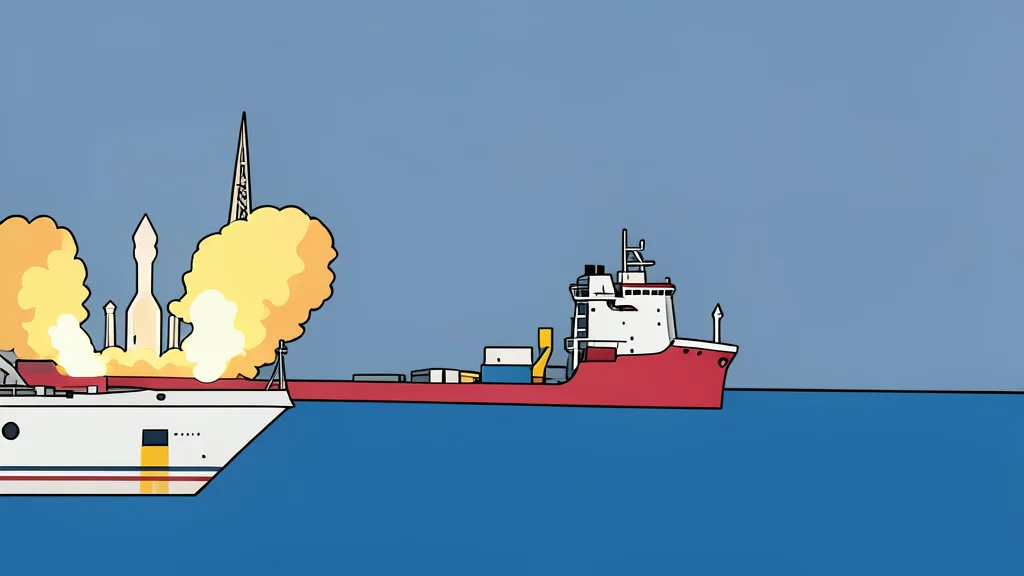
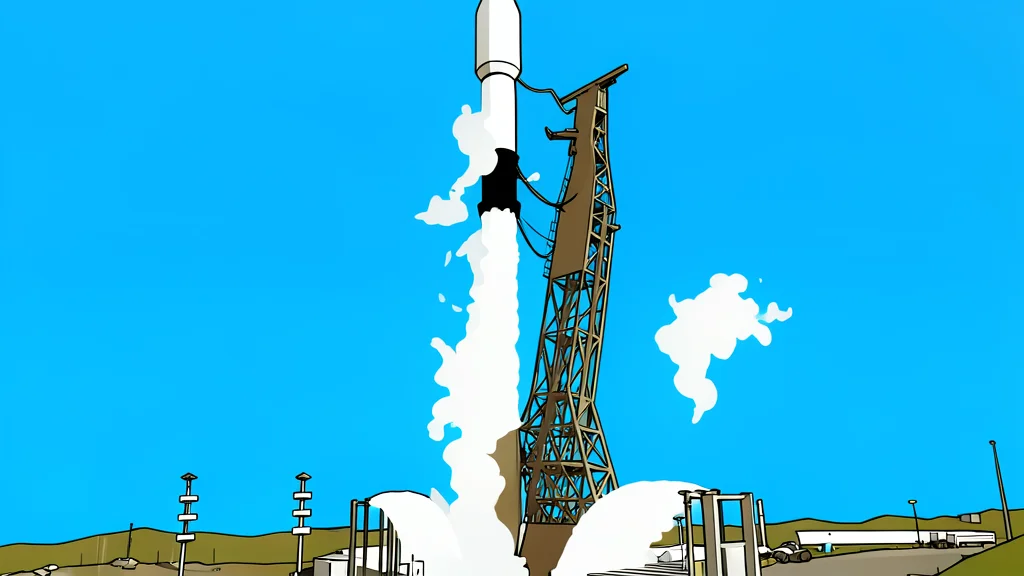
The Long March 12 rocket lifted off from Hainan, China, on September 17, 2026, at 8:32 AM Philippine Standard Time. According to the Philippine Space Agency, known as PhilSA, the rocket shed unburned components during its ascent. These discarded parts, including the booster and fairing, were projected to fall within a designated drop zone in the country's maritime territory.
The estimated impact area is located approximately 25 nautical miles from Puerto Princesa in Palawan and 19 nautical miles from the Tubbataha Reefs Natural Park. This region lies within the Philippine archipelagic waters. While the debris was not expected to land on land or populated areas, it poses a significant hazard to ships, aircraft, and fishing boats operating in the vicinity. There is also a risk that floating debris could drift toward nearby coastlines.
Debris poses maritime and coastal risks
Rocket staging events involve discarding large components as the vehicle reaches outer space. These pieces can be heavy and hazardous. PhilSA notes that while the primary drop zone is in open water, the debris may float and wash ashore. Additionally, the upper stages of the rocket, which return from space, carry the risk of uncontrolled re-entry. This creates a growing concern for the safety of civil aviation and ground populations as global launch rates increase.
The situation highlights a broader challenge in space operations. As more nations and private entities conduct launches, the volume of debris entering the atmosphere and oceans is rising. This debris threatens not only other spacecraft but also traditional maritime activities. The Philippines is calling for international cooperation to develop coordinated protocols that protect both space assets and people on the ground.
Agency issues public safety warnings
Prior to the launch, PhilSA shared a pre-launch report with relevant government agencies. The details of the drop zone were also disclosed through a Notice to Airmen, warning of aerospace flight activity. The agency emphasizes that the public should not attempt to retrieve or touch any fallen rocket parts. These materials may contain remnants of toxic substances, such as rocket fuel, which can be harmful upon contact.
If anyone spots suspected debris, PhilSA advises informing local authorities immediately. The agency stresses that handling such items is dangerous and should be left to professionals. As the region becomes a more common path for rocket debris, clear communication and safety protocols remain essential for protecting coastal communities and maritime workers.