EV Driver Returns to Gas After Winter Charging Costs
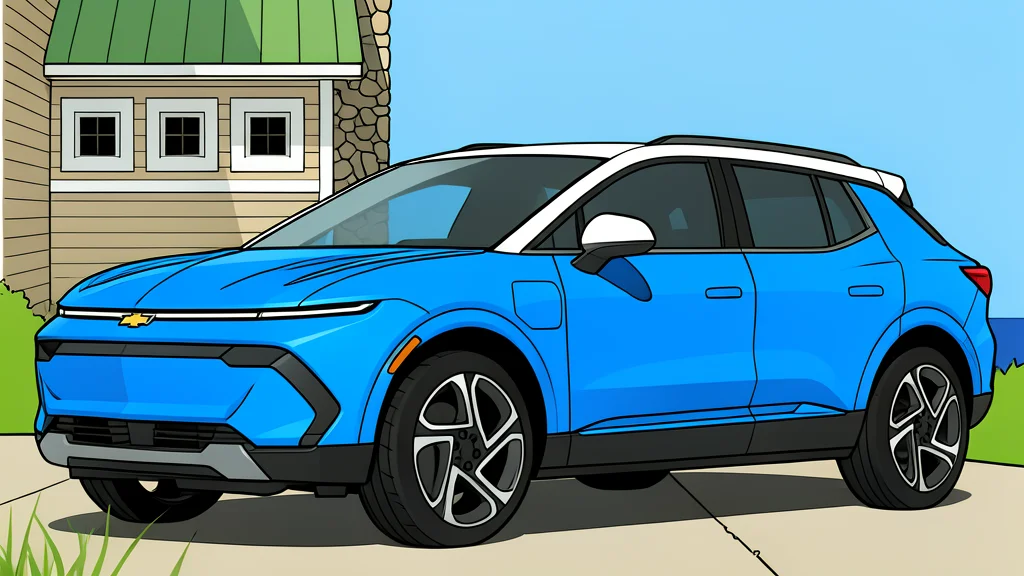
A New York driver swapped a 2025 Chevy Equinox EV for a gas-powered Trailblazer, citing high winter charging costs and limited range.
A resident of upstate New York has abandoned his electric vehicle in favor of a traditional gas-powered SUV after facing significant financial and practical hurdles during the winter season. The driver, who previously owned a Hyundai IONIQ, purchased a 2025 Chevrolet Equinox EV LT FWD but found that the ownership experience did not align with his daily needs and local conditions.
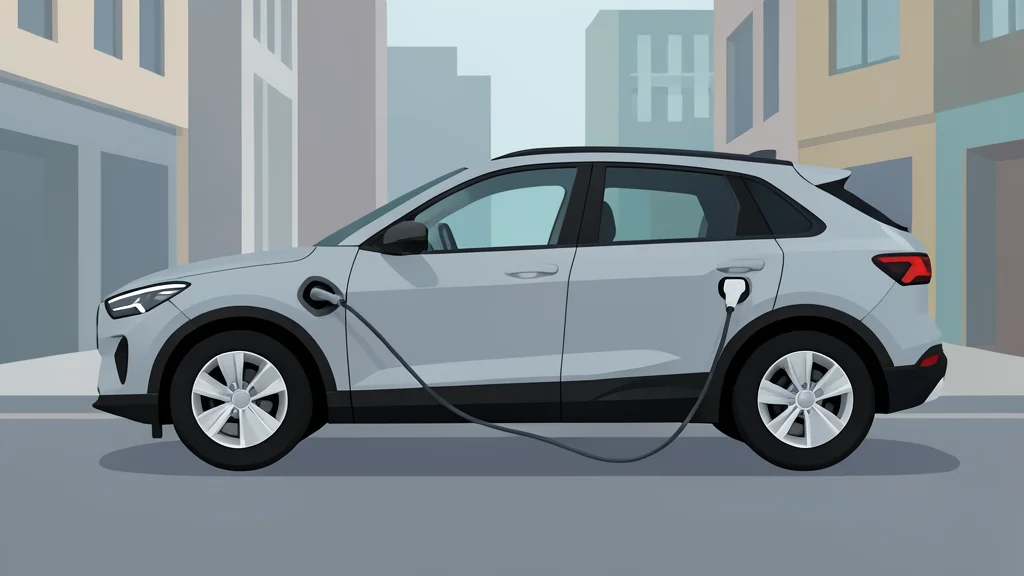
The primary catalyst for the switch was the loss of home charging privileges, which forced the driver to rely on public fast chargers. According to reports from GN auto tech/ev, the cumulative cost of public charging, combined with the vehicle's reduced range in cold weather, made the electric option less economical than a gasoline alternative.
Loss of Home Charging Increases Costs
The driver's landlord recently prohibited EV charging at his apartment, eliminating his primary method of recharging the battery. Without home charging, he had to use public DC fast chargers, which operate on time-based pricing rather than fixed rates. He reported spending approximately $50 per charging session, a significant jump from the average residential rate in New York, which is roughly 29 cents per kilowatt-hour.
This shift in charging infrastructure changed the financial calculus. The driver noted that the cost of public charging exceeded the cost of filling a gas tank for similar distances. Additionally, the need to charge frequently to manage range anxiety added time and complexity to his daily routine, making the gas vehicle a more convenient and affordable option for his commute.
Winter Performance Limits Electric Range
Beyond cost, the Equinox EV struggled with the harsh winter conditions of upstate New York. As a front-wheel-drive vehicle, it had difficulty navigating snow-covered intersections, even with specialized tires. The driver reported that the vehicle's all-wheel-drive variant was unavailable at the time of purchase due to high demand, leaving him with a model less suited for snowy roads.
Cold temperatures also severely impacted the battery's range. Despite optimizing climate settings, the driver could not exceed 175 miles of range. The constant use of the defroster to maintain visibility further drained the battery, requiring more frequent stops at fast chargers. This cycle of reduced range and increased charging frequency made the electric vehicle impractical for his winter driving needs.
Gas Vehicle Offers Better Value
The driver replaced the Equinox EV with a 2026 Chevrolet Trailblazer LT, a smaller all-wheel-drive SUV. The gas vehicle offers a range of over 400 miles per tank, costing approximately $40 to fill up. This not only provides greater range but also reduces the overall cost of ownership, including a lower monthly payment compared to the electric vehicle.
The switch highlights the importance of considering total cost of ownership and local conditions when choosing between electric and gas vehicles. For drivers in regions with harsh winters and limited home charging infrastructure, the financial and practical benefits of a gas-powered SUV may outweigh the environmental advantages of an electric car.