XPeng CEO Warns Humanoid Robot Development Is Far Harder than Building Cars
XPeng's chief executive has cautioned that the industry significantly underestimates the engineering challenges of creating functional humanoid robots.
He Xiaopeng, the chairman of XPeng, has argued that developing humanoid robots is approximately twenty times more difficult than manufacturing electric vehicles. Speaking after the launch of the company's new G9L SUV, he emphasized that most robotics firms are severely underestimating the complexity of the hardware involved. His comments come as a reality check to a sector that has seen a surge in investment and public interest.
The executive stated that the industry is still in its infancy, comparing the current stage of robotics to the early days of automotive production. He rejected the value of polished demonstration videos, arguing that without scaled manufacturing and mass production, technical progress has limited practical significance. For XPeng, the focus is on building a production line that can handle the unique demands of robotic assembly.
Hardware complexity drives up development costs
He Xiaopeng explained that changing a single component on a robot can trigger a cascade of mechanical and software issues. He cited a specific example involving handshaking motions, where a slight miscalibration in the robot's eye tracking required a head tilt that disrupted the coordination of its hands, feet, and waist. This interdependence means that engineers cannot simply swap out parts to fix one issue without risking the stability of the entire system.
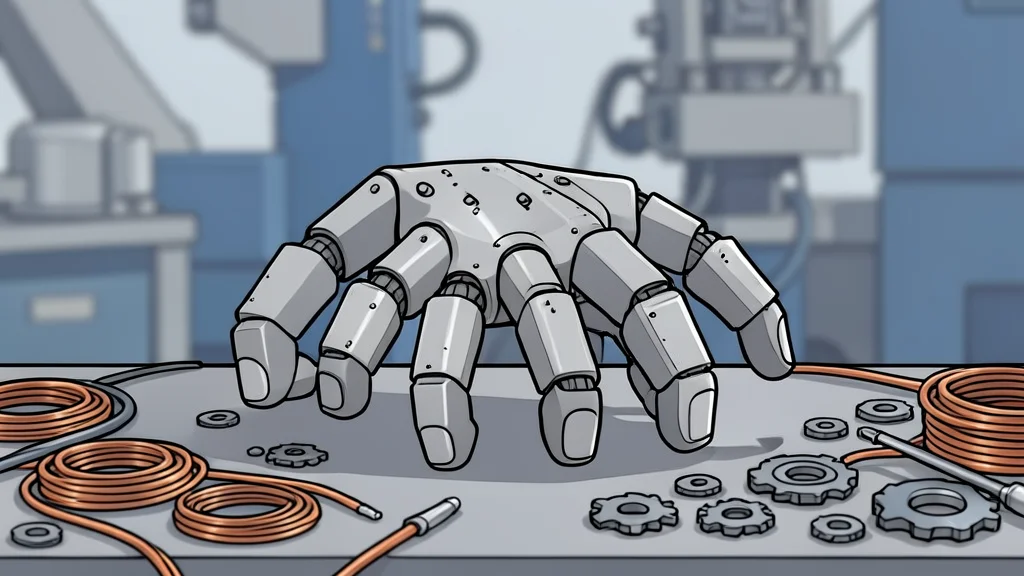
Current market offerings often feature bulky elbow joints with exposed wiring, which the executive noted is insufficient for commercial use. He stated that achieving a design that is slim, safe, durable, and powerful requires in-house development because external supply chains do not meet these specific requirements. This lack of suitable suppliers adds significant time and cost to the research and development process.
Mass production remains distant goal
The company has set a target for mass production of its robots by late December 2026, followed by global deliveries. He Xiaopeng compared this timeline to the development of the G3 electric vehicle in 2018, which was unveiled in late December but did not begin deliveries until the following April. He described the current phase as equivalent to a car company building its first vehicle, highlighting that the infrastructure for large-scale robotics manufacturing is still being established.
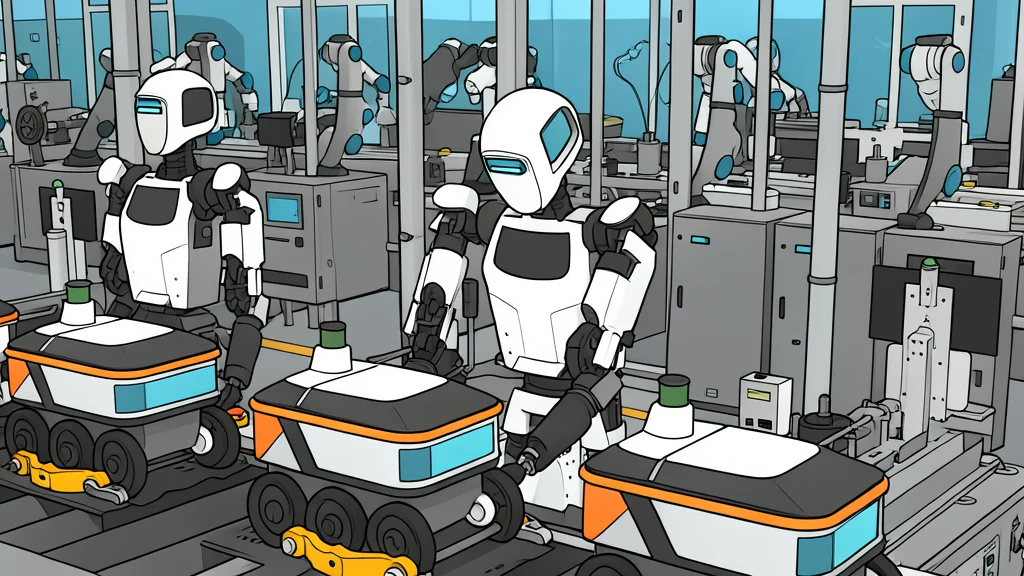
XPeng’s new production line is distinct from those used for automobiles or smartphones, featuring high levels of human-machine collaboration and rapid cycle times. The team spent over a year designing this specific facility, which is not yet open to outside visitors. The executive views the activation of this line as a critical step toward making robots commercially viable rather than just technological demonstrations.
Focus shifts to commercial utility
He Xiaopeng expressed a desire for robots to enter commercial, industrial, and household settings in the coming years. He emphasized the importance of creating products that are actually sellable and useful, rather than built solely for show. This pragmatic approach reflects the broader challenge facing the sector, where the gap between laboratory prototypes and reliable consumer products remains wide.
The cautionary tone from such a major player serves as a reminder that the robotics industry faces significant hurdles. According to GN auto tech/robotics, the challenge lies not just in the software but in the intricate hardware integration required for daily use. As investors and consumers await tangible products, the focus is shifting from flashy demos to the unglamorous work of building reliable, mass-producible machines.