Tesla Logs One Million Unsupervised Miles in Austin
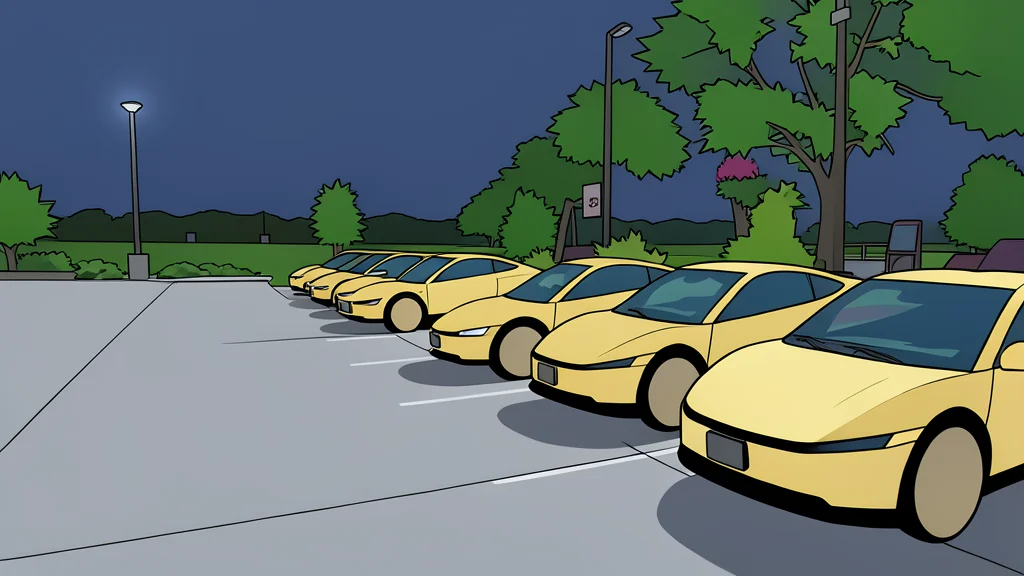
Tesla’s two-seat robotaxi has crossed a significant operational threshold, marking a shift from experimental testing to rapid fleet expansion. This development highlights how quickly the company is scaling its autonomous network, though it comes with questions about long-term reliability and cost.
According to reporting from GN auto tech/ev, Tesla has recorded one million miles driven without human supervision. This figure represents a substantial jump from the 380,000 miles reported on a recent earnings call. Analysts estimate this growth rate implies a weekly increase of nearly 17%. The rapid accumulation of data is central to the company’s strategy for refining its artificial intelligence systems in real-world conditions.
The milestone is closely tied to the deployment of the Cybercab, a vehicle designed specifically for the robotaxi market. Unlike traditional cars, this two-seater lacks a steering wheel and pedals, relying entirely on software to navigate. Early reports from Austin, Texas, suggest that some trips are already cheaper than rides in a standard Model Y. This pricing advantage may indicate that Tesla is using lower fares to encourage usage and gather more driving data, a trade-off that prioritizes market penetration over immediate profit.
Rapid fleet growth drives data collection
The speed at which these miles are being logged suggests a significant increase in the number of active vehicles. Estimates indicate that the fleet could reach between 2,000 and 3,000 vehicles by the end of 2026. This expansion is not just about adding more cars; it is about generating the massive amount of data required to improve the vehicle's decision-making capabilities. The more the cars drive, the more the system learns, creating a feedback loop that is essential for autonomy.
However, this rapid scaling comes with inherent risks. The catch is that relying on lower prices to drive adoption may strain the company’s margins if the technology does not mature as quickly as hoped. Additionally, the sheer volume of autonomous vehicles on public roads raises complex questions about safety regulation and public trust. Tesla is betting that the benefits of a self-driving fleet will outweigh these challenges, but the path to widespread acceptance remains uncertain.
Lower costs aim to reshape urban transit
The long-term goal of this strategy is to make electric transportation more accessible by reducing the need for private car ownership. The Cybercab is designed with a battery expected to last over 500,000 miles, which could significantly lower maintenance costs per mile. If Tesla can spread these fixed costs across a large number of trips, the result could be lower fares for riders. This shift could benefit urban residents who currently struggle with the high costs of owning, insuring, and maintaining a vehicle.
There are also potential environmental benefits to consider. If autonomous electric fleets replace a portion of gas-powered rides, they could help reduce tailpipe emissions in busy city centers. This aligns with broader efforts to decarbonize urban transport. However, the success of this model depends on the reliability of the technology and the willingness of the public to trust a car with no human driver behind the wheel.
Expansion beyond company-owned vehicles
Tesla is also exploring ways to extend its network beyond its own fleet. Reports indicate that the company has circulated forms to gauge interest from potential buyers who might want to purchase fleets of these vehicles for commercial use. This move suggests that Tesla is preparing for a broader market entry, where third parties could operate the cars. While this could accelerate growth, it also introduces new complexities regarding maintenance standards and service quality.
The company has also hinted at near-term technical improvements, with executives suggesting that 24/7 availability could be enabled by upcoming software updates. This would allow the vehicles to operate continuously, maximizing their utility and further reducing the cost per mile. As the industry evolves, with competitors like Zeekr pushing their own autonomous features, Tesla’s ability to scale quickly and maintain low costs will be a key factor in its success.