EV Experts Advise Against Charging Batteries to 100 Percent
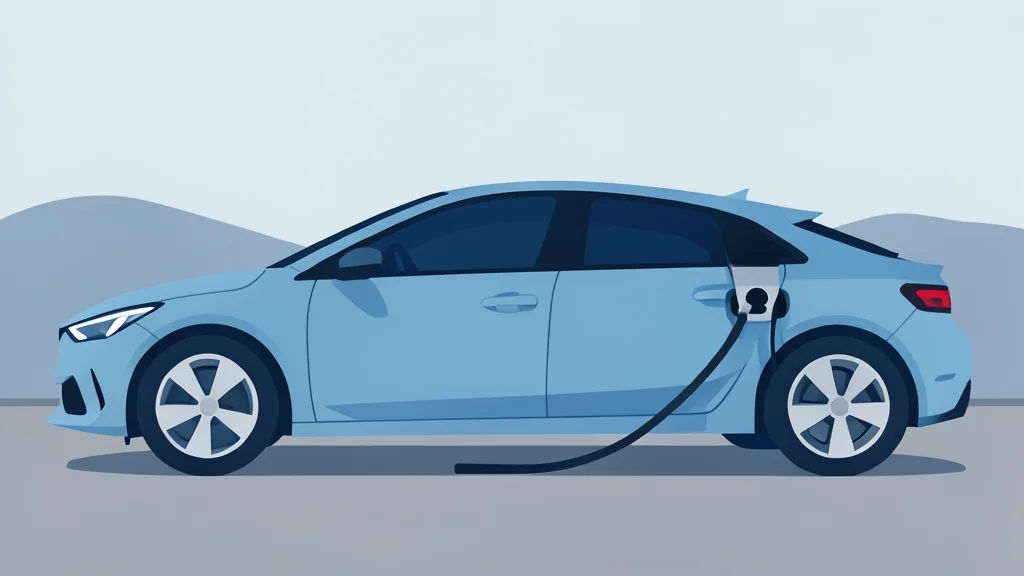
Charging electric vehicles to full capacity can degrade battery health over time. Manufacturers typically recommend stopping at 80 percent for daily use.
Key points
- Manufacturers generally recommend limiting daily EV charging to 80 percent to preserve battery health.
- Charging to 100 percent increases internal stress and can reduce the battery's total lifespan over time.
- Owners should check their specific vehicle manual, as some models allow up to 90 percent for daily use.
A recent viral video has reignited debate over how much energy drivers should put into their electric vehicles. The creator, who is an EV owner, argued that topping up the battery to 100 percent is unnecessary for most daily commutes and could harm the long-term lifespan of the power source. Her advice aligns with a growing consensus among carmakers who prioritize battery longevity over immediate range.
The controversy stems from the way lithium-ion batteries handle high charge states. While a full charge feels reassuring, keeping the battery at maximum capacity for extended periods creates internal stress. This stress accelerates chemical aging, which can reduce the total capacity the battery can hold over the years. The result is a vehicle that offers less range per charge than it did when new.
Why full charges stress the battery
According to battery testing firm Midtronics, pushing a lithium-ion cell to its absolute limit reduces its charging efficiency over time. The final percentage of charge requires the most energy input for the smallest gain in range, a phenomenon often called the tapering effect. More importantly, the high voltage state required to hold that final charge degrades the internal components faster than moderate charging levels.
In her demonstration, the driver used a public fast charger to replenish her vehicle from 45 percent to roughly 83 percent. This session took only 35 minutes and cost her five dollars. She highlighted that for most urban or suburban driving, this amount of energy is sufficient to cover several days of use, making the extra time and cost of reaching 100 percent a poor trade-off for daily drivers.
Vehicle manuals vary by model
Not all electric vehicles follow the same rules. While many manufacturers cap daily charging at 80 percent, others allow slightly higher limits. For instance, owners of the Ford Mustang Mach-E have reported that their user manuals recommend a 90 percent limit for daily use to maintain maximum battery life. This variation means that a one-size-fits-all approach is not always correct.
The best practice remains consulting the specific owner’s manual for each vehicle. Some cars have software limits that physically prevent the battery from exceeding a certain percentage unless the driver manually overrides it. Ignoring these built-in safeguards can void warranty protections related to battery degradation, leaving the owner responsible for the cost of a replacement pack.
Exceptions for long road trips
There are valid reasons to break the 80 percent rule. Before a long-distance journey, charging to 100 percent is generally considered safe and necessary to ensure the driver has the full range available. The key is to avoid letting the car sit at that level for days at a time. Once the trip begins, the battery will discharge, moving it out of the high-stress zone.
As reported by Yahoo Autos, this advice is not just a theoretical preference but a practical necessity for maintaining resale value. A well-managed battery retains more of its capacity, which is a critical factor in the secondary market. For most drivers, the simple act of stopping the charge cycle early is a low-effort way to protect a significant financial investment.