Philippine Ferry Operator Bans Electric Vehicles After Tragic Fire
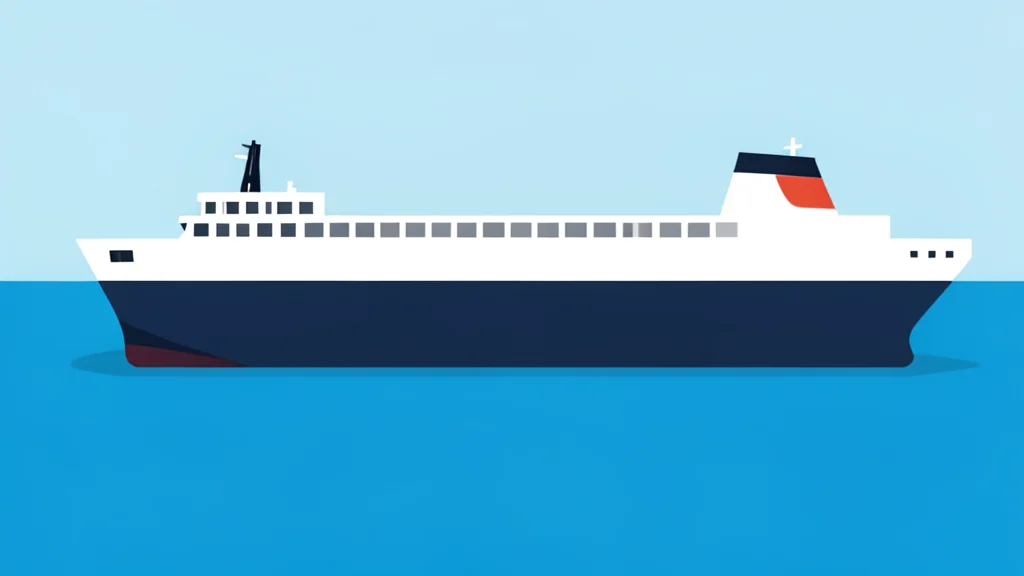
A major shipping company in the Philippines has halted the transport of electric and hybrid vehicles on its ferries, citing safety concerns following a deadly blaze last month.
Montenegro Shipping Lines has issued a strict directive prohibiting crews from allowing fully electric or hybrid vehicles to board any of its ferries. This immediate ban covers all routes operated by the company and applies to both private passenger cars and commercial cargo trucks. The move is a direct response to the catastrophic fire on the ferry June Aster off Palawan province, which claimed nearly 80 lives just one week prior to the new advisory.
The company stated that the restriction is a precautionary measure designed to mitigate the risks of thermal runaway, explosions, and other hazards associated with modern vehicle batteries while at sea. Although the June Aster incident involved an electric vehicle among the cargo, officials have not yet confirmed that the battery was the source of the ignition. Consequently, this ban remains a unilateral corporate decision rather than a nationwide legislative mandate.
Regulators Review Existing Maritime Safety Rules
Government agencies are currently assessing the current legal framework for transporting electric vehicles on water. Patrick Aquino, a director at the Department of Energy, noted during a Senate hearing that existing regulations do not specifically prohibit the carriage of these vehicles. He confirmed that the Department of Energy is coordinating with the Maritime Industry Authority to draft specific guidelines that will provide clear instructions to shipping lines.
The goal of this interagency review is to establish standardized safety protocols that reflect the unique risks of battery-powered transport in a maritime environment. Until these new regulations are finalized and issued, individual companies like Montenegro Shipping Lines are expected to maintain their own internal safety standards to protect passengers and crew.
Uncertainty Surrounds The Fire Origin
While the presence of an electric vehicle on the June Aster has fueled public concern, the exact cause of the fire remains under investigation. Philippine Department of Energy officials clarified that ongoing inquiries have not yet confirmed whether the blaze originated from the vehicle's battery system. The ferry was also carrying a utility truck, five motorcycles, and general freight, meaning multiple potential ignition sources existed on board.
This lack of definitive evidence creates a complex situation for regulators and operators. Banning electric vehicles entirely addresses a specific technological risk, but it does not resolve broader safety issues related to cargo management and fire suppression on ferries. The industry is left in a transitional period where private sector caution outpaces public sector regulatory clarity.
Operational Impact On Regional Transport
For drivers and logistics companies in the Philippines, this ban represents a significant logistical hurdle. Electric vehicle owners who rely on ferry services to travel between islands must now seek alternative transport methods or defer their trips. This restriction highlights a critical gap in the country's infrastructure as the adoption of electric vehicles grows, yet maritime safety standards have not yet fully adapted to the technology.
According to reporting by GN auto tech/ev, this incident has drawn attention to the need for updated international and local standards for electric vehicle transport. While the immediate ban provides a sense of security for the public, it also signals that the current regulatory environment is insufficient to manage the evolving risks of modern automotive technology in maritime settings.