Korea’s AI Push Faces Local Resistance
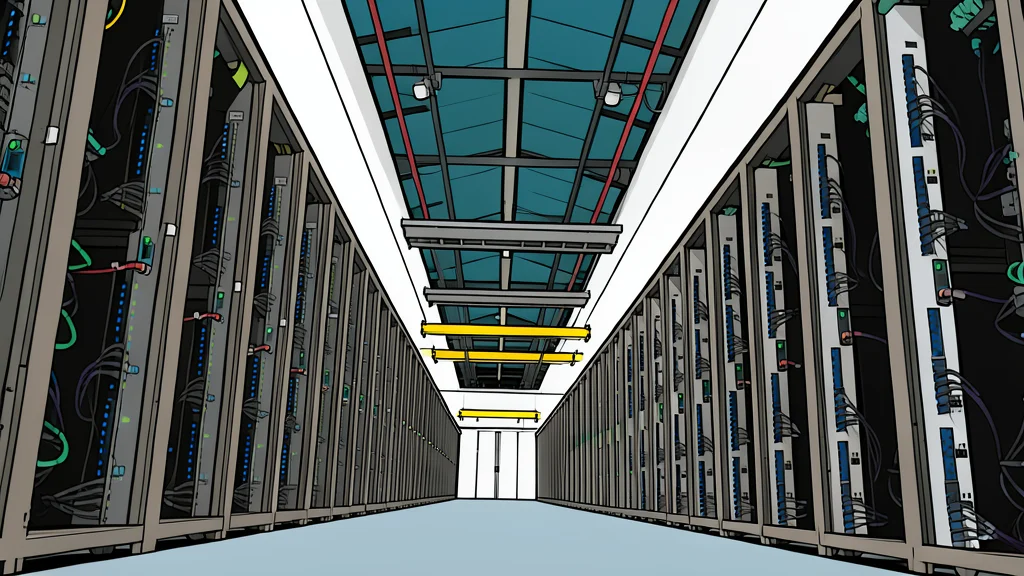
South Korea is racing to build the computing power needed for artificial intelligence, but communities are fighting back against noise, heat, and environmental risks. This local opposition is creating a significant bottleneck for a national priority project.
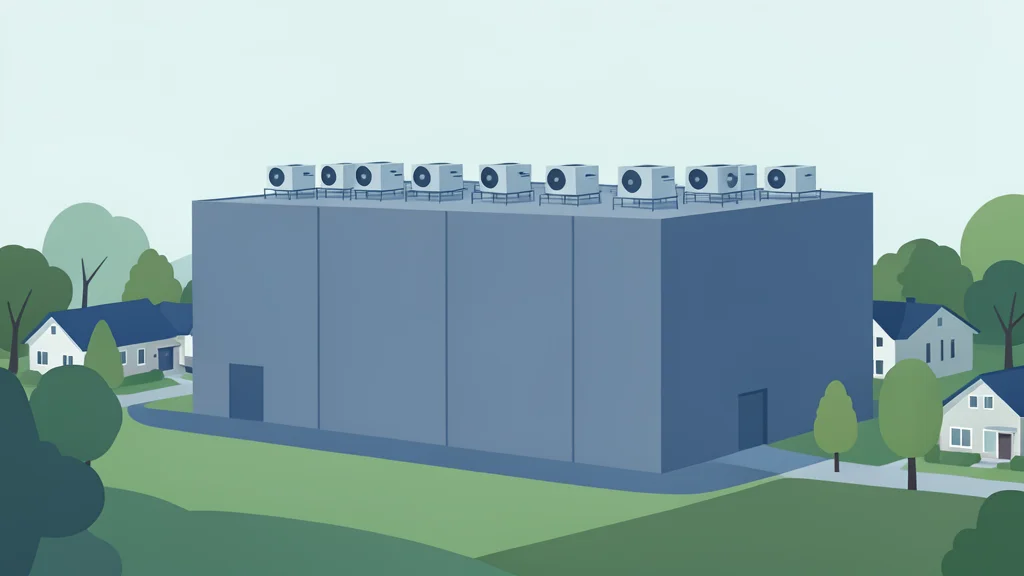
Outside a district office in southern Seoul, a group of residents has held a protest for nearly seven months. They are demanding the revocation of a permit for a new artificial intelligence data center planned for their neighborhood. For them, the abstract benefits of national technological progress are outweighed by the immediate reality of construction, noise, and potential environmental hazards in their daily lives.
This scene is not unique to Seoul. Across the country, the mood has shifted from welcoming digital infrastructure to actively resisting it. Local communities are increasingly viewing large-scale data centers as sources of discomfort and risk, challenging the government's ambitious goals to expand its computing capacity.
National priority meets local resistance
South Korea has identified building data centers as one of its three major national projects, alongside semiconductors and physical AI. The government argues that securing this infrastructure is essential to remain competitive in the global AI race. President Lee Jae Myung has emphasized the need to build these facilities rapidly to support the training and operation of generative models.
However, the enthusiasm shown by local governments a few years ago has evaporated. In 2019, municipalities competed to attract data center operators, offering incentives to secure investment. Today, the dynamic has reversed. Residents in various districts, including areas in Gimpo, Incheon, and Daegu, are organizing protests and filing complaints, effectively stalling projects that were once viewed as economic boons.
Concrete concerns drive opposition
The opposition is driven by tangible concerns rather than vague fear of technology. Residents worry about the constant hum of cooling fans, the heat generated by massive servers, and the strain on local power grids. There is also anxiety about safety, particularly regarding battery storage and the potential for fires, a concern heightened by a significant incident at a facility in Gyeonggi province in 2022.
While some technical measurements have shown that electromagnetic fields near operating centers are within normal residential ranges, these data points have not reassured the public. The perception of risk remains high. This disconnect between technical safety standards and lived experience is a key factor in the growing tension between developers and local communities.
Regulatory gaps complicate expansion
The rapid rise in opposition has exposed gaps in local regulations. Currently, there is no legal requirement for developers to seek input from nearby residents during the building permit process for data centers. In Seoul’s Geumcheon district, officials admitted that the specific project now under protest did not undergo a formal advance notification to the community because data centers were not explicitly covered by the local notification system at the time.
This regulatory ambiguity has led to delays and cancellations. Projects that previously moved quickly through approval processes are now facing years of bureaucratic friction and public scrutiny. As the government aims to increase national computing capacity from 2 gigawatts to 18.4 gigawatts by 2035, the lack of a clear framework for community engagement poses a significant challenge to meeting these targets.