Five Years on, the Hyundai Ioniq 5 Remains a Practical EV Choice
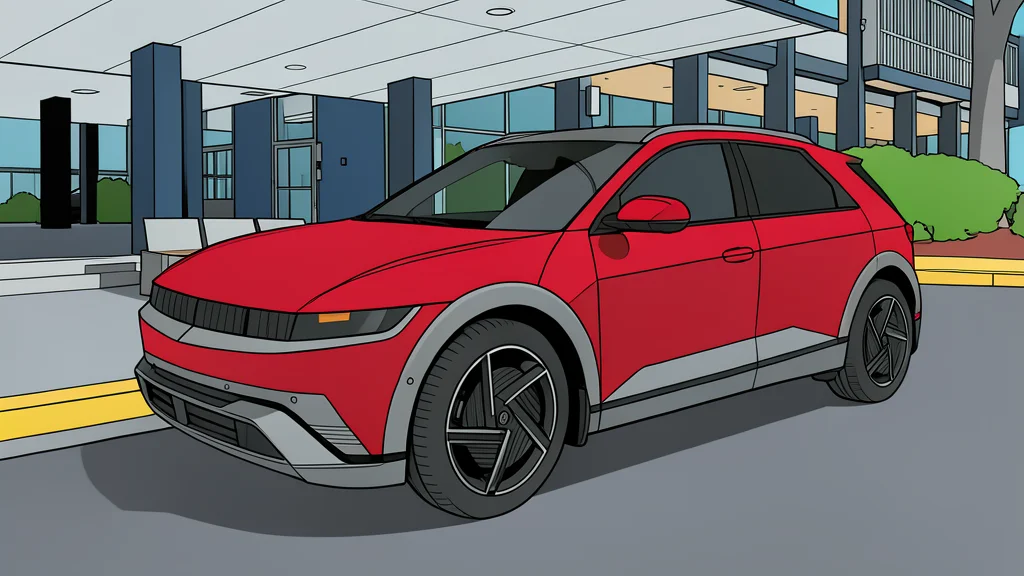
The 2026 Hyundai Ioniq 5 proves that early innovations in electric vehicles can remain relevant, though buyers must weigh the trade-offs between power and efficiency.
When the Hyundai Ioniq 5 first launched in late 2021, it stood out for bringing high-voltage charging technology to a mainstream price point. At a time when such capabilities were largely reserved for luxury vehicles, the Ioniq 5 offered rapid charging speeds that significantly reduced downtime for long trips. Its distinctive retro styling, reminiscent of 1970s design cues, further differentiated it in a crowded market. However, the electric vehicle landscape has evolved rapidly over the past five years, introducing fierce competition in the compact crossover segment.
A recent review by GN auto tech/ev: electric vehicle highlights how the 2026 model maintains its appeal despite the passage of time. The vehicle has undergone a significant lifecycle refresh, incorporating updated hardware and software improvements. While the core design remains recognizable, the underlying technology has been refined to keep pace with newer rivals. The key question for potential buyers is whether the original strengths still outweigh the emerging weaknesses in a more competitive field.
Updated Charging Infrastructure Enhances Versatility
One of the most practical upgrades in the 2025 and 2026 models is the switch to the NACS charging port, commonly associated with Tesla networks. This change allows the Ioniq 5 to access a wider range of fast-charging stations, including Tesla Superchargers, IONNA, and Electrify America. For drivers who rely on public infrastructure, this expands route planning options considerably. The vehicle retains its 800-volt architecture, which enables fast charging from 10 to 80 percent in roughly 18 minutes, a speed that remains competitive with newer entries in the market.
All-Wheel Drive Increases Power But Reduces Range
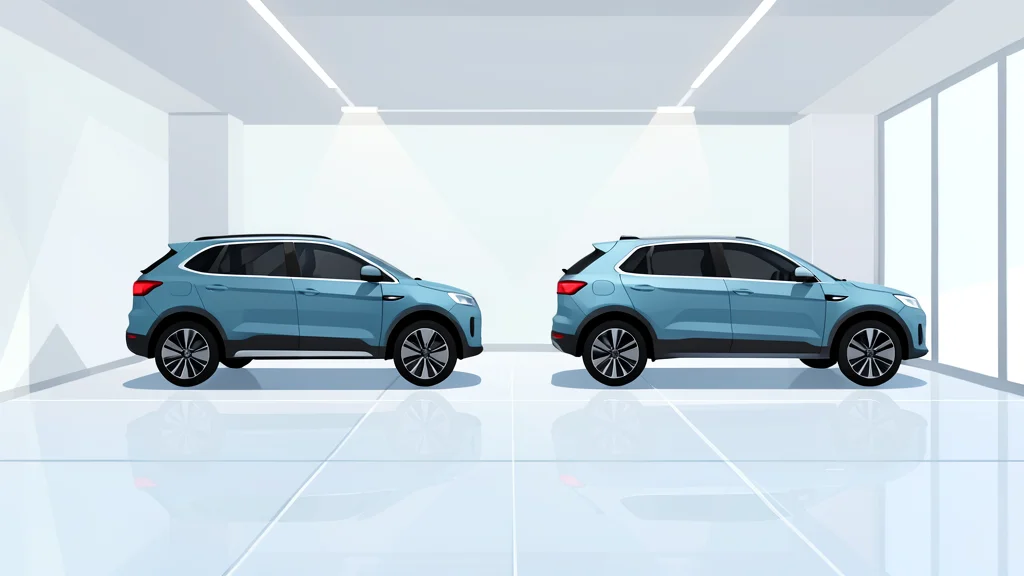
The top-tier AWD Limited trim offers increased performance with a combined output of 320 horsepower. This configuration provides better traction in adverse weather conditions, which is a significant advantage for many drivers. However, this added power comes at a cost to efficiency. The EPA-estimated range for the all-wheel-drive version is 269 miles, compared to 318 miles for the rear-wheel-drive model. This drop of nearly 50 miles means that drivers prioritizing long-distance capability without frequent stops should carefully consider the single-motor option.
The efficiency gap is evident in real-world driving, where the AWD version averages around 3.4 miles per kWh even in eco mode. In contrast, single-motor versions can exceed 4 miles per kWh. While the AWD model delivers a more engaging driving experience with quick acceleration, the trade-off is a shorter distance between charging stops. For daily commuters, this may be negligible, but for those frequently using public chargers or traveling long distances, the efficiency penalty is a tangible drawback.
Pricing Reflects Premium Features And Performance
The Ioniq 5 lineup starts at $35,000 for the standard range model, making it accessible to a broader audience. However, the fully loaded AWD Limited trim, which includes the larger 84 kWh battery and additional hardware, starts at $45,075. Adding the front electric motor for all-wheel drive increases the price by another $3,900. This pricing structure positions the vehicle firmly in the upper mid-range of the electric crossover segment. Buyers must decide if the performance and convenience features justify the premium over more efficient, rear-wheel-drive alternatives.