Ford and U.S. Transportation Secretary Clash over Chinese Battery Tech
A public dispute between Ford and the U.S. Transportation Department highlights the complex trade-offs between national security concerns and global supply chain realities.
Ford Motor Company and U.S. Transportation Secretary Sean Duffy are locked in a public dispute over the automaker’s business ties with Chinese firms. Duffy warns of national security risks, while Ford argues the secretary is misrepresenting its actions and ignoring the economic realities of competing in a global market.
The conflict centers on Ford’s use of battery technology from Contemporary Amperex Technology Co. Ltd., or CATL, a Chinese manufacturer listed by the Pentagon for alleged military connections. For readers, the stake is clear: relying on foreign tech can create supply chain vulnerabilities, but building everything domestically often means higher costs and slower deployment.
Licensing Deals vs. Joint Ventures
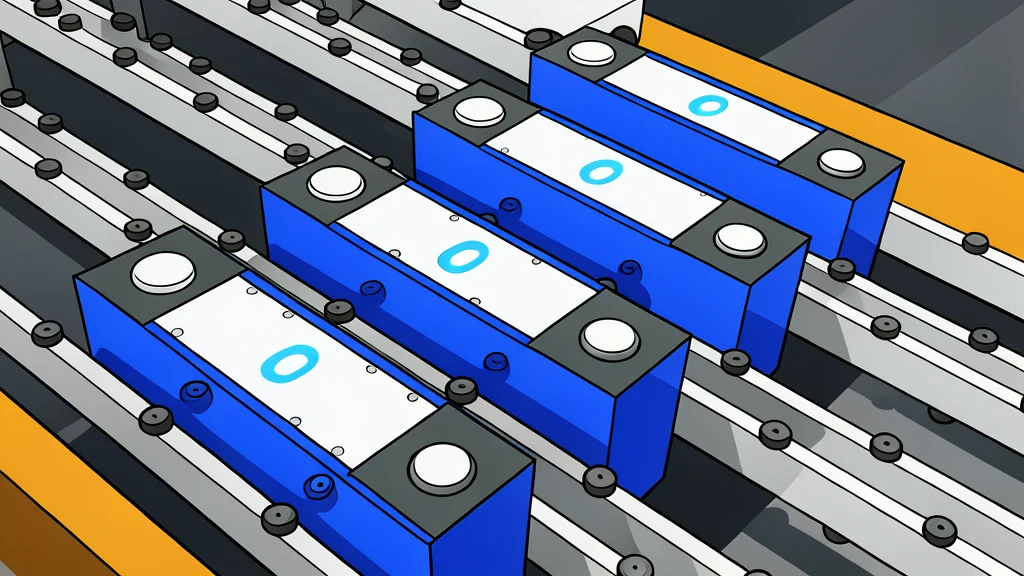
Duffy’s primary concern is the BlueOval Battery Park in Michigan, which uses lithium-iron-phosphate technology licensed from CATL. Ford clarifies that this is a technology license, not a joint venture. The company owns the factory, controls operations, and employs local workers, aiming to keep production within the United States while leveraging advanced chemical formulations developed in China.
The trade-off here involves cost and speed. By licensing the technology, Ford can begin assembling cells in America sooner than if it had to develop the chemistry from scratch. Critics argue this still embeds foreign influence in a critical supply chain, while Ford contends it is a practical step toward domestic independence.
European Partnerships and Cost Pressures
Duffy also criticized a proposed joint venture with Chinese automaker Geely at Ford’s Valencia, Spain, factory. Under this arrangement, Ford would hold a 66 percent stake, with Geely holding 34 percent. The partnership aims to build vehicles for European customers, starting in 2028, to lower manufacturing costs and utilize existing plant capacity.
Ford states this move is strictly limited to Europe, where it faces intense competition from lower-cost Chinese rivals. The catch for U.S. policy is that while this helps Ford remain competitive abroad, it deepens its reliance on Chinese partners, which Duffy views as a long-term strategic weakness for American manufacturing.
Conflicting Messages From Washington
The dispute has split Washington, with some Republican lawmakers supporting Duffy’s hardline stance on China. They accuse Ford of warning about Chinese competition while simultaneously engaging in business relationships with those same companies. According to GN auto tech/ev: electric vehicle, this creates a confusing signal for investors and workers about the direction of U.S. industrial policy.
Ford’s CEO, Jim Farley, has denied making proposals to allow Chinese automakers joint ventures in the U.S., calling the allegations flatly wrong. He notes that Ford is reshoring some Lincoln production to the U.S. by 2030, a move praised by other officials. The core tension remains: balancing the immediate need for cost-effective global cooperation against the long-term goal of technological independence.