Volvo Plans Thirteen New Models to Double Market Share by 2030

Volvo is preparing a major overhaul of its lineup with thirteen new electric and hybrid vehicles, aiming to expand its global presence significantly over the next five years.
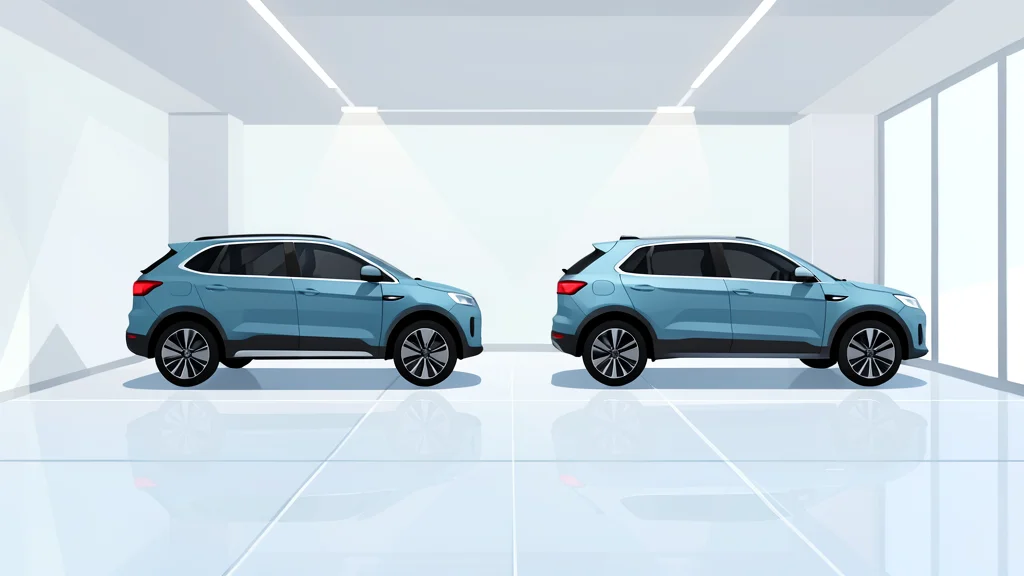
Volvo Cars has announced a sweeping expansion of its product range, planning to introduce thirteen new models by the end of the decade. This initiative, described by the company as its most ambitious product push in ninety-nine years, is designed to double the brand's market share by 2030. The strategy involves a distinct split in engineering and design, with specific vehicle architectures tailored for Western markets and a separate lineup developed for China.
This approach allows the Swedish automaker to address regional preferences and regulatory environments more effectively. While the US and Europe will receive vehicles built on the company's proprietary HuginCore computing platform and new SPA architectures, the Chinese market will leverage shared platforms and technology from its parent company, Geely. Both regions will see a mix of all-electric vehicles and next-generation plug-in hybrids, signaling a commitment to diverse powertrains rather than an immediate full transition to battery-only models.
A Return to Physical Controls
In a notable shift away from the industry-wide trend of digital-only interfaces, Volvo is set to bring back physical buttons to its vehicle interiors. Design chief Thomas Ingenlath confirmed that the new models will feature tactile controls, but he emphasized that these will not be simple rows of identical switches. Instead, each button will have a unique shape and interaction method, aiming to enhance user experience through intentional physical feedback. This decision reflects a broader industry movement where some manufacturers are reconsidering the usability of large touchscreens for critical driving functions.
The company aims to leverage its long-standing brand identity to justify premium pricing, comparing its desirability to luxury goods like watches and fashion. Volvo plans to unveil a concept car in spring 2027 to showcase this new design language, which will build on its traditional Scandinavian aesthetic. This approach seeks to differentiate the brand from newer electric vehicle startups that are still establishing their visual identities, relying instead on the trust and recognition associated with its existing heritage.
New Models and Pricing Strategies
The first wave of these new vehicles includes updated versions of the XC60 and XC90, which will feature extended-range plug-in hybrid technology. Production of these models is scheduled to begin later this year, with customer deliveries expected in early 2027. Alongside these, Volvo will launch the EX60, its first electric vehicle based on the new SPA3 platform, which promises longer driving ranges and faster charging capabilities. These models will offer various body styles, including wagons and sedans, to appeal to different consumer segments.
Volvo is also planning to introduce a more affordable entry-level electric SUV, likely named the EX50, by the end of 2027. This model is expected to replace the outgoing EX40 in the US market and will start at approximately $50,000. By offering a lower price point while maintaining the quality associated with the brand, Volvo aims to capture a broader audience in the competitive electric vehicle market. This move is crucial for achieving its goal of doubling market share, as it addresses the cost barrier that has limited the adoption of premium electric vehicles.
Market Ambitions and Regional Focus
According to reporting from GN auto tech/ev, Volvo’s strategy is heavily focused on expanding its presence in Western markets while maintaining a strong foothold in China. The decision to use different technology stacks for these regions is a practical response to the varying infrastructure, regulations, and consumer expectations in each area. For Western markets, the emphasis is on independent development and proprietary technology, whereas in China, collaboration with Geely offers cost efficiencies and access to local expertise.
This dual-track approach allows Volvo to be more agile and responsive to local market demands. By tailoring its vehicles and technology to specific regions, the company hopes to improve customer satisfaction and drive sales growth. The introduction of thirteen new models by 2030 represents a significant investment in product development and marketing, underscoring Volvo’s commitment to remaining a competitive player in the rapidly evolving automotive landscape.