Tesla's Pivot from Electric Cars to Robotics
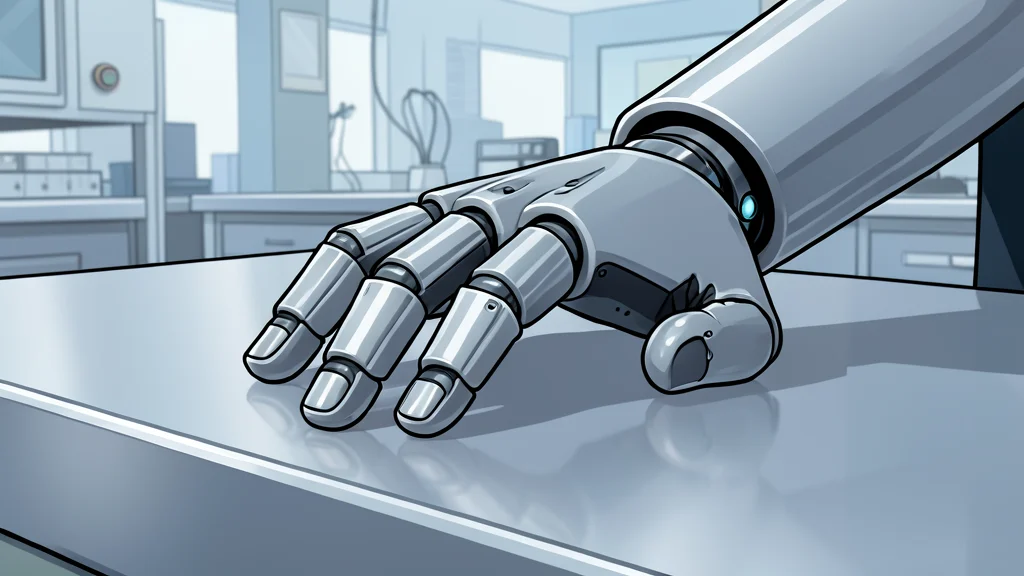
Tesla is shifting its focus from luxury electric vehicles to artificial intelligence and humanoid robotics, a strategic move that redefines its market identity.
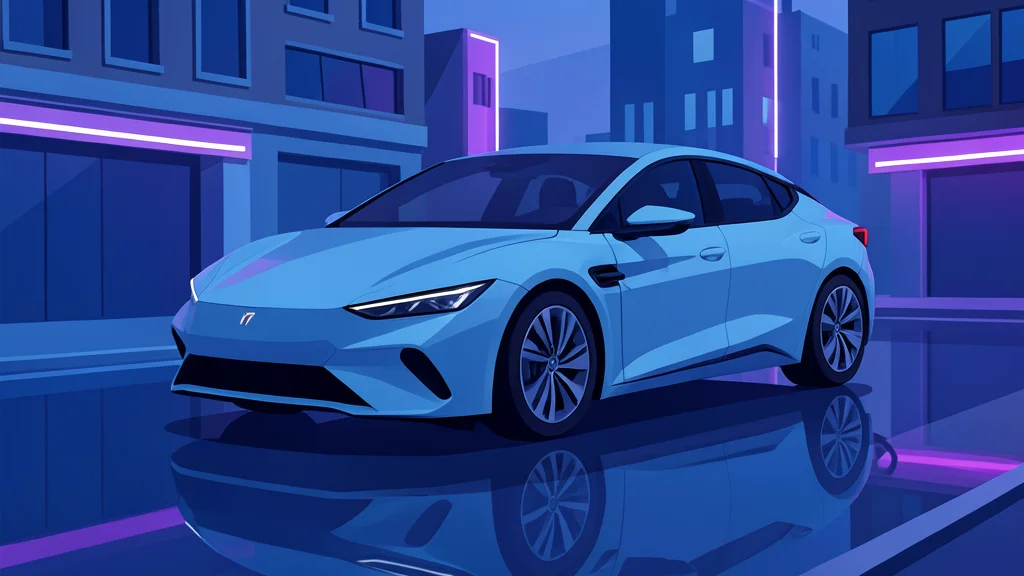
Tesla is no longer just an automaker. While the company built its reputation on making electric vehicles accessible to the masses, it is now rapidly expanding into artificial intelligence and robotics. This shift suggests that the future of the company may lie less in selling cars and more in developing autonomous systems and humanoid machines.
According to GN auto tech/ev: electric vehicle, this transformation is driven by CEO Elon Musk’s desire to position Tesla as a broader technology firm. The move comes as the electric car market becomes increasingly crowded, forcing Tesla to find new ways to differentiate itself and maintain its competitive edge.
Founding Roots And Early Struggles
The company was established in 2003 by engineers Martin Eberhard and Marc Tarpenning. Their goal was to create a high-performance electric sports car that could challenge the dominance of internal combustion engines. However, the technical challenges of building such a vehicle required significant capital and expertise that the founders did not initially possess.
Elon Musk joined the board in 2004 and quickly took control of the company’s direction. By 2008, both original founders had left, leading to a legal dispute over who should be credited as a founder. The settlement ultimately recognized Musk as a co-founder, cementing his long-term influence on the company’s strategy.
Clean Energy Beyond The Car
Tesla’s business model has always extended beyond vehicles. The company manufactures solar panels and battery storage systems, aiming to provide a complete clean energy ecosystem for homes and businesses. This diversification allowed Tesla to generate revenue from energy infrastructure, reducing its reliance on car sales alone.
However, the current pivot introduces a new layer of complexity. By integrating AI and robotics into its core operations, Tesla is moving further away from traditional renewable energy solutions. This shift raises questions about how the company will balance its existing energy products with its new technological ambitions.
Trade-Offs Of The Strategic Shift
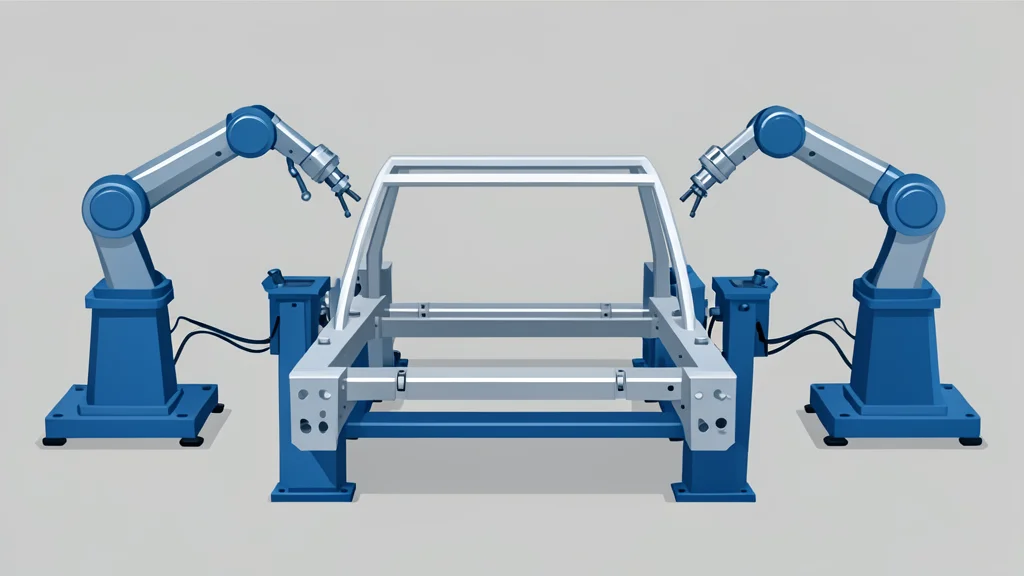
The move toward robotics carries significant risks. Repurposing factories that were designed for car production to build humanoid robots is a complex engineering challenge. It requires new supply chains, different manufacturing processes, and a completely different set of skills. This transition could strain resources and distract from the core automotive business.
Furthermore, the automotive market is becoming more competitive, with traditional manufacturers and new entrants launching their own electric models. By focusing heavily on AI and robotics, Tesla may face criticism for neglecting its primary product line. The success of this pivot depends on whether the new technologies can generate sufficient revenue to justify the shift away from cars.