Rivian Bets on R2 SUV to Reach Mass Market Buyers
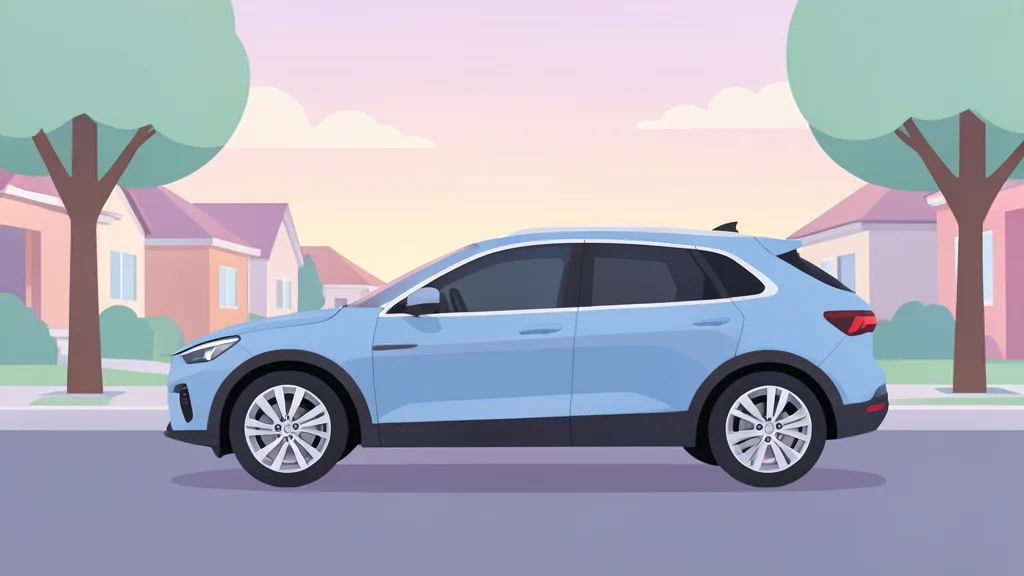
Rivian is shifting its focus to a cheaper midsize SUV, aiming to expand beyond its premium niche and accelerate production despite supply chain hurdles.
Rivian has declared the launch of its new R2 midsize SUV a critical turning point for the company. CEO RJ Scaringe describes this year as an inflection moment where the electric vehicle maker aims to move beyond its exclusive, high-priced lineup. The goal is to capture a much broader audience by offering a vehicle that is more accessible while maintaining the brand's technological appeal.
The R2 is designed to bridge the gap between Rivian’s premium models and the standard consumer market. By targeting a price range that starts around $45,000, the company hopes to attract buyers who are currently considering traditional gasoline-powered crossovers. This strategic shift is intended to scale Rivian’s reach significantly, turning early brand enthusiasm into widespread adoption.
Early demand exceeds internal expectations
According to reports from GN auto tech/ev, initial interest in the vehicle has been stronger than the company anticipated. Rivian initially released a single high-end Launch Edition to simplify manufacturing, yet many customers chose this pricier option over waiting for more affordable trims. This unexpected preference for the top-tier model suggests that the brand’s reputation is resonating strongly with early adopters.
Test-drive volumes have more than doubled, which Scaringe identifies as a key indicator of future sales. The company notes that this interest is not limited to electric vehicle enthusiasts but includes buyers looking at mainstream options like the Toyota RAV4 or Ford Bronco. This broad appeal indicates that the R2 is successfully competing in the general midsize SUV market, not just among tech-focused buyers.
Supplier readiness limits production speed
Despite strong demand, Rivian faces a significant trade-off in its growth strategy. The company states that its factory capacity is currently ahead of its supply base, meaning it can build more cars than it can source parts for. Bottlenecks from secondary and tertiary suppliers are the primary constraint on how quickly production can ramp up.
To manage this, Rivian is proceeding with a second production shift, but the overall pace will depend on supplier coordination. This creates a scenario where the company is limited by external partners rather than its own internal capabilities. While the rollout schedule remains broadly unchanged, the timing of specific lower-priced variants may shift as the supply chain stabilizes.
Software licensing adds new revenue streams
Beyond selling vehicles, Rivian is pursuing a dual strategy involving advanced autonomy and software licensing. The company is developing supervised point-to-point driving features and aims to introduce a robotaxi version of the R2 by late 2028. This technological push is a major pillar of its long-term growth plan.
Additionally, Rivian expects to generate significant revenue by licensing its electronic platform to other manufacturers. A notable example is a $5.8 billion agreement with Volkswagen, which highlights the value of Rivian’s underlying technology. This approach diversifies income sources, reducing reliance solely on vehicle sales while reinforcing the company’s position as a tech leader in the automotive sector.