Range Rover Electric Launches with 333-Mile Range
Jaguar Land Rover has finally resolved the long wait for its flagship electric SUV. The new model retains the classic luxury look while adding a 333-mile range and high-speed charging capabilities, though it comes with a significant price premium over its gasoline counterparts.
Jaguar Land Rover has officially launched the electric version of the Range Rover, ending a period of speculation and delayed production announcements. The vehicle maintains the distinct aesthetic of the gasoline-powered models, featuring only subtle aerodynamic adjustments to preserve the brand’s identity. This approach prioritizes the traditional luxury experience over radical design changes, ensuring the SUV remains recognizable to long-time buyers.
The core mechanical update involves a dual-motor system producing 542 horsepower and 627 pound-feet of torque. This powertrain enables a zero-to-60-mph acceleration time of 4.3 seconds. While these figures are competitive in the luxury segment, the primary selling point for many consumers will likely be the extended range and the rapid charging infrastructure compatibility that comes with the new battery architecture.
Charging speed and range capabilities
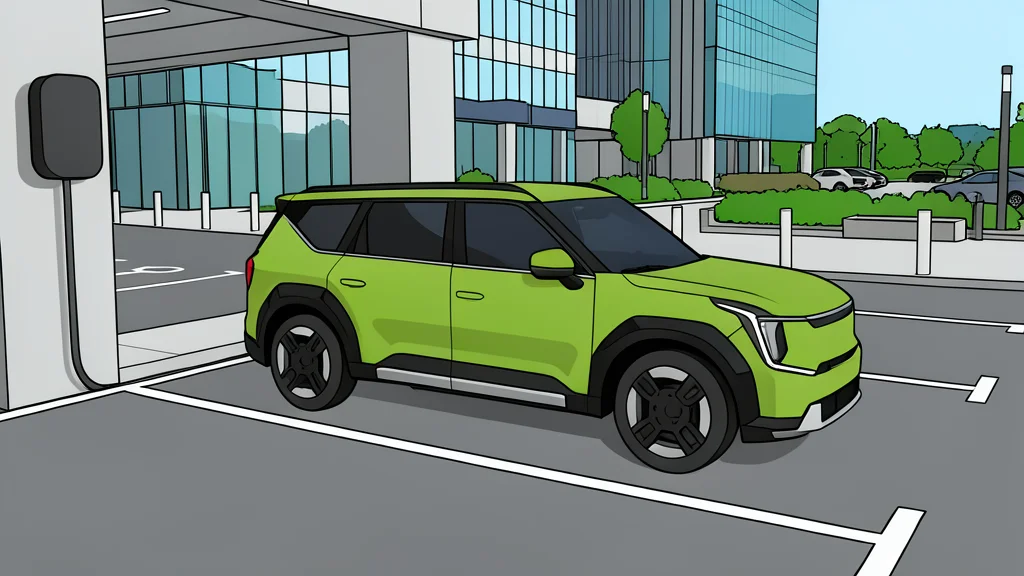
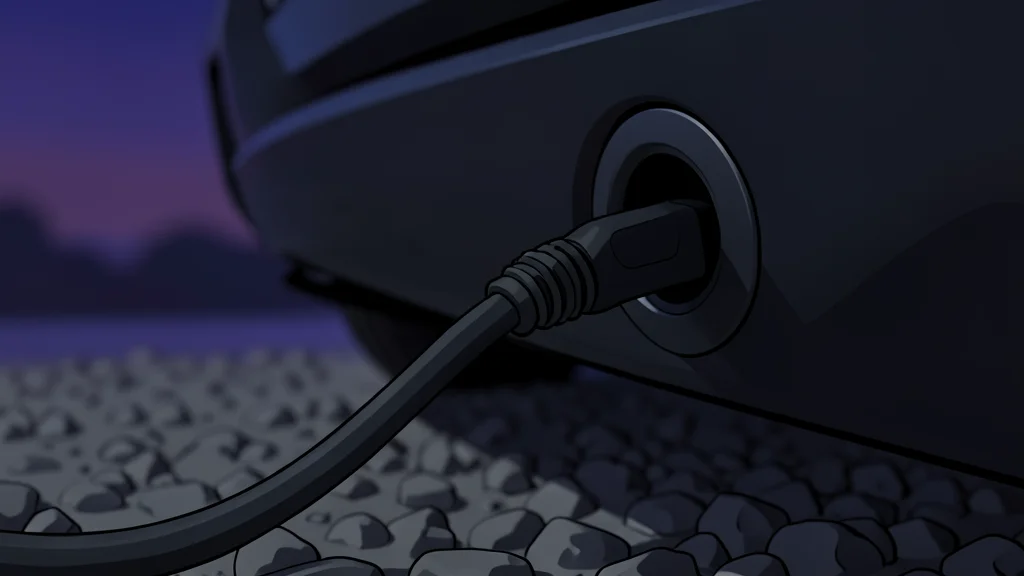
The vehicle features an 118.5-kilowatt-hour battery and an 800-volt architecture, which allows for significantly faster replenishment than older electric vehicles. According to data reported by GN auto tech/ev: electric vehicle, the SUV can charge from 10 to 80 percent in just 22 minutes using a native NACS port. This means drivers can add approximately 125 miles of range in ten minutes, a crucial factor for long-distance travel.
The inclusion of the NACS standard is a notable shift, as it allows owners to access Tesla Supercharger stations without needing third-party adapters. This expands the practical utility of the vehicle for those who do not have access to private home charging. However, the 333-mile EPA-rated range is subject to real-world variables such as weather and driving speed, meaning actual mileage may vary significantly from the headline figure.
Off-road performance and terrain handling
Jaguar Land Rover emphasizes that the electric transition does not compromise the vehicle's traditional off-road abilities. The traction management system reacts in as little as 50 milliseconds, which the manufacturer claims is 100 times faster than its internal combustion engine equivalents. The SUV can also wade through up to 35 inches of water, a capability that remains central to the Range Rover's brand promise.
A new single-pedal driving mode allows the vehicle to climb slopes up to 45 degrees and pull away from grades as steep as 33 degrees. This feature leverages the instant torque of the electric motors to maintain control on difficult terrain. Additionally, the vehicle includes a digital twin for the battery that records over 900 diagnostic data points, enabling proactive maintenance through over-the-air software updates.
Pricing structure and market positioning
The electric Range Rover is priced at a premium, starting at $140,450 including destination charges. This represents a nearly $25,000 increase over the base gasoline model, which starts at $115,750. The price difference reflects the higher cost of battery technology and the advanced software systems included in the electric version.
For buyers who want electric capability without a full commitment to an electric vehicle, a plug-in hybrid option remains available. The full electric lineup ranges from the SE trim to the high-end SV Ultra, with prices reaching up to $255,250. Long-wheelbase and seven-seat configurations are also offered, catering to families and luxury buyers who prioritize space.