The Tortoises that Went to the Moon Before Astronauts
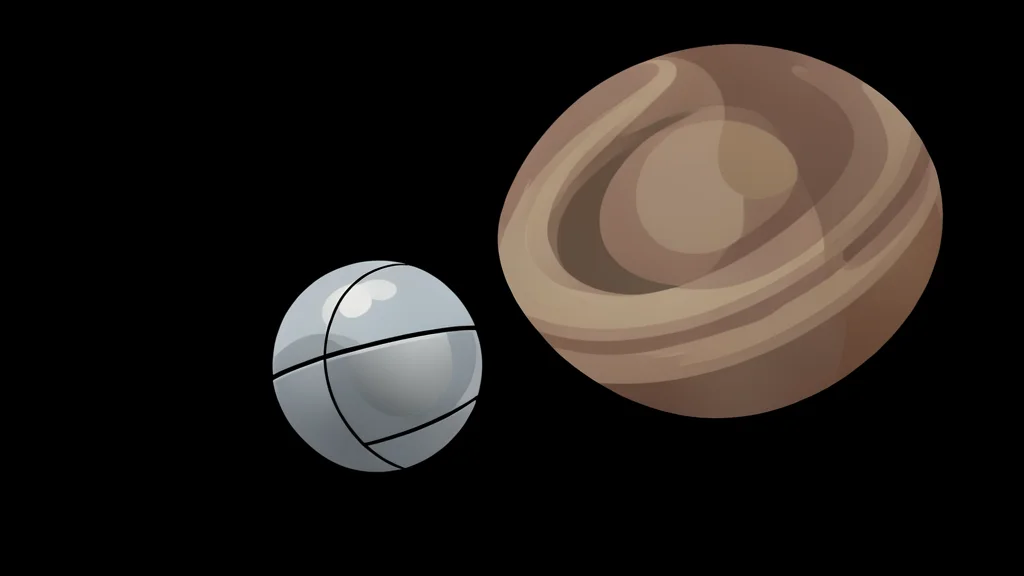
In 1968, Russian steppes tortoises became the first vertebrates to complete a lunar flyby. Their mission preceded the first crewed circumlunar flight by months and influenced NASA's launch timeline.
On September 15, 1968, the Soviet Union launched the Zond 5 spacecraft on a mission to fly around the moon and return to Earth. While the vehicle carried no human crew, it held a unique passenger list: two Russian steppes tortoises, along with wine flies, mealworms, plants, and seeds. This marked the first successful circumlunar flight in history, sending the first animals into deep space and around the lunar orbit.
The mission was designed to test life support systems for future crewed flights. After reaching the moon, the spacecraft turned around for the journey home. However, a failure in the guidance system caused the capsule to miss its intended landing site in Kazakhstan. Instead, it splashed down in the Indian Ocean on September 21. Despite the unexpected landing, the Soviet recovery team retrieved the capsule and confirmed that the tortoises and other animals were still alive, though they had lost some weight during the trip.
Soviet success accelerated Apollo timeline
This event occurred during the height of the Space Race, just three months before NASA launched Apollo 8. The success of Zond 5 reportedly concerned U.S. officials, who feared the Soviets might soon send humans on a similar mission. Intelligence reports indicated that the Soviet Union had a lunar rocket on a launch pad in Baikonur, which may have pressured NASA to move up its own crewed lunar orbit mission to maintain its lead.
Tortoises survived the deep space trip
The biological payload of Zond 5 was selected to observe the effects of weightlessness and radiation on complex organisms. The two tortoises, specifically Russian steppes tortoises, were chosen for their slow metabolism and hardy nature. By surviving the multi-day journey out to the moon and back, they provided valuable data on how vertebrates could withstand the stresses of long-duration spaceflight. This information helped inform the preparations for sending humans on similar trajectories.
Capsule remains a museum artifact
The Zond 5 capsule was recovered by the ship Vasily Golovnin and transported to Moscow, where the animals were examined. The capsule itself was preserved and is now displayed at the RSC Energia museum in Korolev. This artifact serves as a reminder of the early, experimental phase of lunar exploration, where the primary goal was proving that life could survive the journey before humans were ever sent.