Norway’s Bastø Electric Ferry Cuts Diesel Use by 6 Million Liters
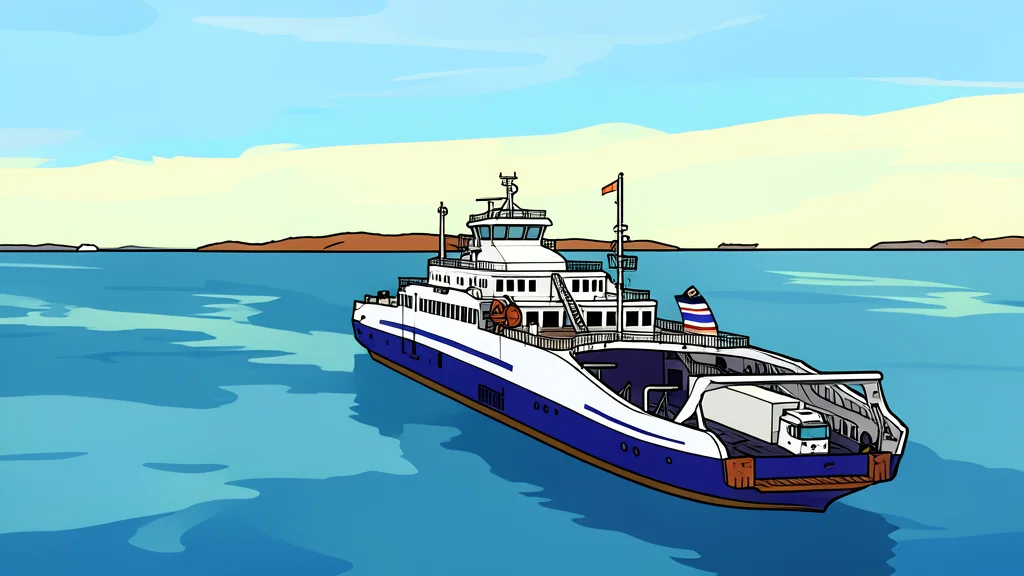
Five years after launch, the Bastø Electric ferry demonstrates that battery-powered short-sea transport can replace diesel on high-traffic routes.
Key points
- The Bastø Electric ferry has operated on a busy Norwegian route for five years, replacing diesel ferries.
- The route's electrification is estimated to save 6 million liters of diesel and 16,000 tons of CO2 annually.
- Full electric operation was delayed until 2023 due to the time required to complete shore charging infrastructure.
When the Bastø Electric entered service in Norway in 2021, it held the record for the world’s largest all-electric ferry. Five years later, it no longer holds that title, as larger vessels have since emerged. However, it retains a distinct advantage: it has spent five years performing the same demanding work as its diesel predecessors without interruption.
The vessel operates on the Moss-Horten route, one of Norway’s busiest crossings. As reported by CleanTechnica, the ferry is not a demonstration project that runs only in ideal conditions. Instead, it carries thousands of passengers and vehicles daily, proving that battery technology can handle the repetitive, high-volume demands of commercial ferry operations.
Short Routes Suit Battery Power
The success of the Bastø Electric relies heavily on the specific geography of its route. The crossing is only about 10 kilometers long, taking roughly half an hour to complete. This short distance allows the ferry to carry a smaller battery compared to long-haul ships, while still providing enough energy for the trip and a safety reserve.
The ferry connects to shore-based charging systems at both ends of the route, drawing up to 9 megawatts of power while docked. This predictable pattern of charging and discharging eliminates the need for large, heavy fuel tanks. It demonstrates that electric propulsion is most effective when the destination is fixed and the distance is manageable, making it a logical choice for short-sea crossings.
Significant Diesel Reduction Achieved
The environmental impact is substantial. The operator estimates that the electrification of this route reduces diesel consumption by approximately 6 million liters annually. This translates to an estimated reduction of 16,000 metric tons of carbon dioxide emissions per year, based on standard emissions factors for diesel fuel.
While these figures are estimates rather than measured totals, they highlight the potential for significant emissions cuts. The route previously consumed about 8.5 million liters of diesel. By shifting to electric power for roughly 75 percent of departures, the service has effectively removed a large portion of that fuel demand from the equation.
Infrastructure Challenges Remain a Barrier
The transition was not immediate. When the Bastø Electric first launched, the shore charging infrastructure was not yet fully complete. The vessel had to operate in hybrid mode for a period, using diesel as a backup until the charging systems at both terminals were operational by 2023.
This delay highlights a key trade-off in electrification: the vessel is only as effective as the infrastructure that supports it. While the ferry technology was ready, the energy grid connection and terminal upgrades lagged behind. For operators considering similar projects, the cost and time required to build reliable shore power remain critical factors that can delay full electric operation.