Oil Conflicts Strain Global Supply Despite EV Growth
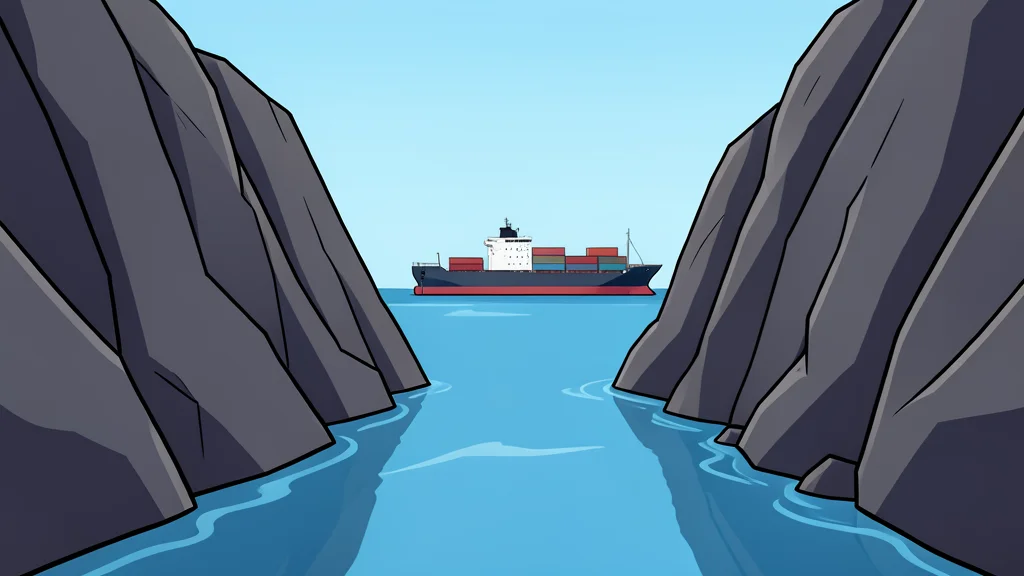
Six active conflicts tied to oil availability are disrupting global energy flows, yet electric vehicles remain largely insulated from these geopolitical shocks.
The global energy landscape is currently defined by a series of simultaneous crises centered on oil infrastructure. As reported by GN auto tech/ev: electric vehicle, these conflicts have intensified over the past six months, affecting major shipping routes and pipelines. While the immediate impact is felt in fuel prices and supply chains, the broader implication is a stark reminder of the fragility of a fossil-fuel-dependent world.
However, it is crucial to distinguish between the geopolitical instability affecting oil and the operational reality of electric vehicles. EVs do not rely on the physical flow of crude through straits or pipelines, meaning their users are largely immune to the specific supply bottlenecks plaguing the gasoline market. This decoupling highlights a significant structural advantage for electrified transportation in an era of resource-driven conflict.
Strait closures disrupt key routes
The most prominent disruption involves the Strait of Hormuz, a narrow waterway that has seen traffic reduce to a trickle since March. Historically, this route handled about a fifth of global oil shipments. The closure, resulting from regional military actions, has forced nations to seek alternative transport methods, leading to a complex web of logistical challenges and security concerns across the Middle East.
Compounding this issue is the vulnerability of alternative infrastructure. A major pipeline designed to bypass the strait was recently damaged by drone attacks, prompting precautionary shutdowns. Additionally, threats in the Bab-El-Mandeb strait, which handles nearly 10% of seaborne oil, have led to the formation of new defense pacts. These layered conflicts create a high-risk environment for oil transporters, further destabilizing the global energy supply.
Electrification buffers against supply shocks
Despite the severity of these disruptions, the global oil price shock has been less severe than initially feared. A primary factor in this mitigation is the rapid adoption of electric vehicles in major markets, particularly China. By shifting transportation energy away from oil, countries have reduced their aggregate demand for crude, thereby dampening the price volatility that would otherwise accompany such significant supply restrictions.
This shift demonstrates a tangible trade-off: while the transition to EVs requires substantial upfront investment in charging infrastructure and battery supply chains, it offers long-term resilience against geopolitical oil crises. For consumers, this means that while diesel and gasoline prices may remain elevated due to conflict-related scarcity, electric vehicle owners are insulated from these specific fuel price spikes, providing a more stable cost of operation.
Health and climate costs persist
Beyond immediate economic and geopolitical impacts, the reliance on oil carries persistent health and environmental burdens. The combustion of fossil fuels continues to drive air pollution and climate change, issues that are becoming increasingly difficult to ignore as scientific consensus solidifies. The current conflicts serve as a catalyst, accelerating the recognition that diversifying away from oil is not just an economic strategy but a necessity for public health and environmental stability.