Tiny Fan Solves Thermal Limits in Crypto Camera
A compact camera designed to prove photos are authentic faces a major cooling hurdle. The solution involves a fan so small it fits inside a shoebox, balancing heat management against the risk of audio interference.
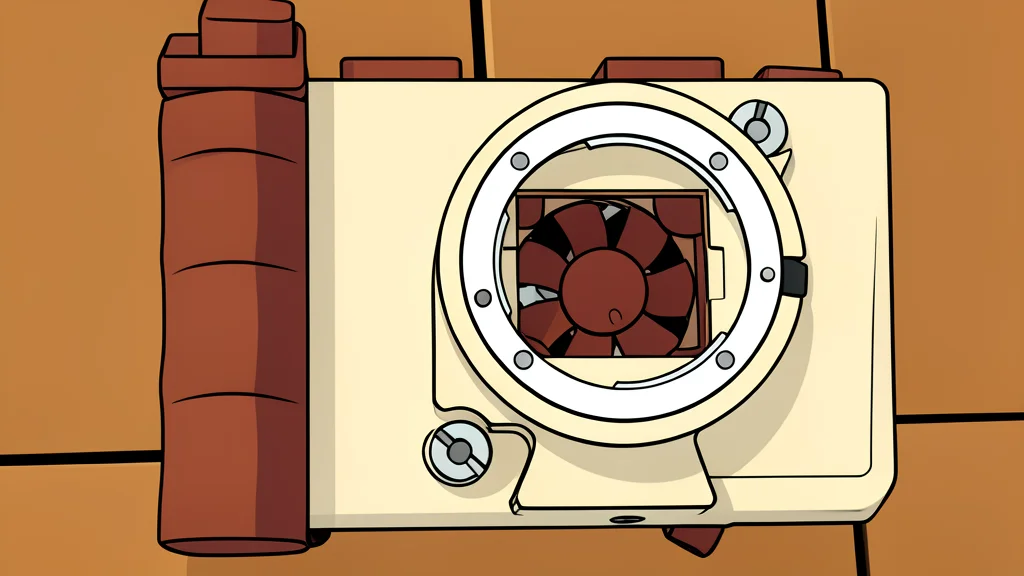
Developers of the CAIM1 portable camera have integrated a Noctua NF-A4x10 fan to manage heat generated by its internal processors. This device is designed to capture 4K video while simultaneously creating cryptographic proofs that verify the image has not been altered. The challenge lies in the camera’s sealed design, which traps heat and can cause performance drops if not actively cooled.
According to GN auto tech/hardware coverage, the addition of this fan is a critical trade-off. While standard cooling methods would overheat the system, a larger fan would introduce noise and vibrations that ruin video quality. The 40mm fan offers a middle ground, allowing the device to maintain stability without compromising the audio or visual fidelity that defines its purpose.
Balancing Heat and Audio Quality
The CAIM1 camera uses edge computing to generate unique digital signatures for each frame. This process creates significant thermal load within a compact, protective shell. Passive cooling, which relies on natural air movement, proved insufficient to prevent the processors from throttling. Throttling reduces performance to save energy, which in this context means dropping video frames during recording.
Introducing a conventional cooling fan posed its own set of problems. Larger fans generate audible noise that interferes with the camera’s microphone array. They also create mechanical vibrations that can cause motion blur or rolling-shutter artifacts in the video sensor. By selecting the small Noctua unit, the engineers aimed to minimize these side effects while ensuring the hardware stays within safe temperature limits.
Engineering Constraints for Compact Devices
The chosen fan measures just 40 by 40 by 10 millimeters, a size that required a redesign of the camera’s main circuit board. This compact form factor allows for PWM speed control, enabling the device to adjust airflow based on real-time thermal demands. This dynamic approach helps keep noise levels low during less intensive tasks while ramping up cooling when the cryptographic processing peaks.
This integration highlights the specific engineering compromises required for specialized hardware. The goal is not maximum cooling capacity, but rather the precise management of heat within strict acoustic and mechanical limits. The team is currently refining this prototype, with plans to showcase it at upcoming industry events in Tokyo before targeting a wider release in early 2027.
Verification Technology Faces Physical Limits
The CAIM1 project represents a niche intersection of photography and blockchain technology. By embedding proof generation directly into the hardware, it aims to combat the spread of synthetic media. However, the physical reality of computing components means that even the most advanced software requires robust thermal management to function reliably in a portable form.
As the device moves from prototype to production, the success of this cooling solution will be a key indicator of its viability. The camera must remain silent and stable enough for professional use, yet powerful enough to process complex cryptographic data. The decision to use a specialized, small-scale fan underscores the delicate balance between computational power and physical constraints in modern consumer electronics.