Second-Life EV Batteries Drive a Rapidly Growing Industry

A new market report projects significant expansion for the reuse of electric vehicle batteries, highlighting a shift toward sustainable energy storage solutions.
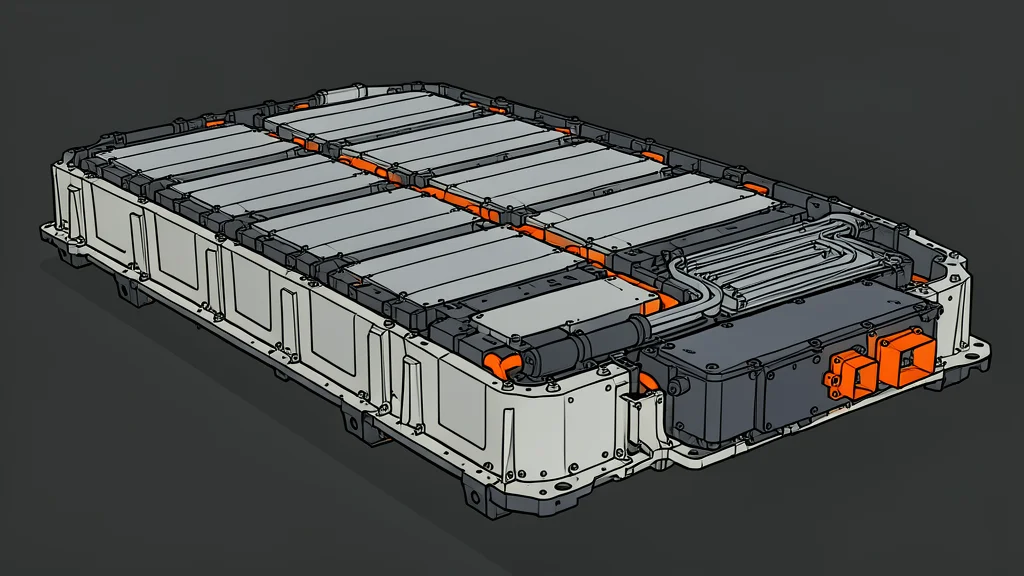
The market for repurposing used electric vehicle batteries is poised for rapid expansion, with projections indicating growth from $1.66 billion in 2025 to $7.56 billion by 2030. This sector focuses on extending the life of batteries that are no longer suitable for cars but remain useful for other applications, such as grid stabilization and backup power.
According to a report by The Business Research Company, this growth is driven by stricter emission regulations, the high cost of replacing lithium-ion batteries, and a lack of advanced recycling infrastructure. The report suggests that giving these power sources a second life helps lower ownership costs and supports broader environmental sustainability goals.
Growth driven by renewable energy demand
The primary engine for this market is the increasing need for renewable energy storage. As global efforts to reduce carbon footprints accelerate, the demand for stable grid-scale energy solutions rises. Reused EV batteries offer a cost-effective way to store this energy, serving in less demanding roles than they did in vehicles.
Government-backed pilot initiatives and investments in circular economy projects are also contributing to this trend. By repurposing existing hardware, industries can reduce waste and resource consumption, creating a more efficient supply chain for energy storage components.
Technology improves battery health assessment
Innovations in diagnostics are making it easier to determine which batteries are suitable for reuse. The report highlights the emergence of AI-powered health diagnostics and standardized testing protocols. These tools allow operators to accurately assess the remaining capacity of used batteries, reducing the risk of deploying unreliable units.
Additional technologies, such as blockchain for lifecycle tracking and predictive analytics for demand forecasting, are also being integrated into the industry. These advancements help ensure that second-life batteries meet safety standards and that supply chains can predict when new units will be needed for storage applications.
Trade-offs between cost and reliability
Despite the positive outlook, the sector faces challenges. One major trade-off is the variability in battery condition; not all used batteries are equally fit for secondary use. This requires rigorous testing and sorting, which adds complexity to the process.
Furthermore, while the cost of diagnostic tools is decreasing, the initial infrastructure for large-scale reuse is still developing. The report notes that limited advancement in recycling infrastructure remains a barrier, meaning that the industry must balance the immediate benefits of reuse with the long-term need for robust, standardized systems.