Porsche Brings Wireless Charging to Europe
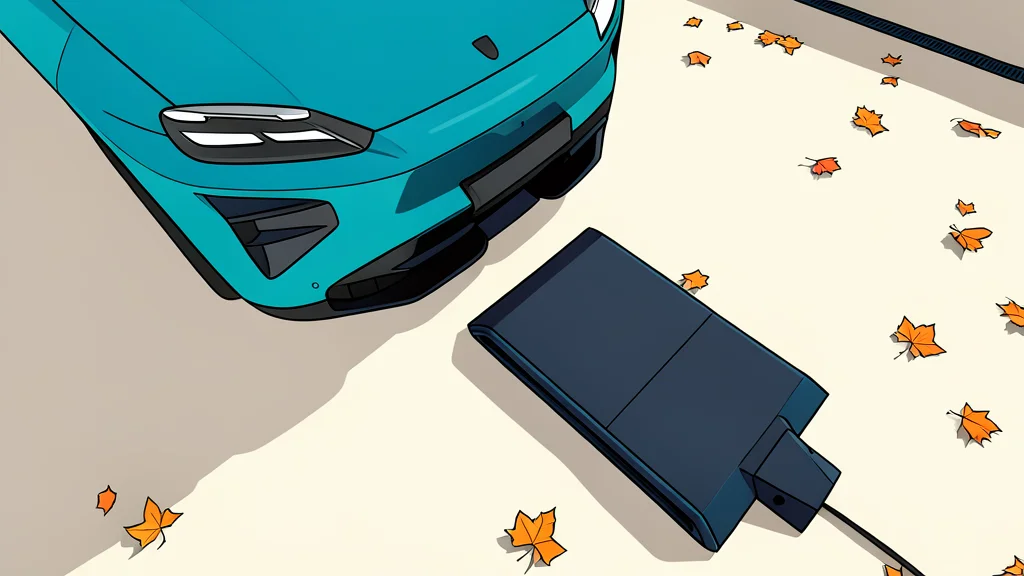
The Cayenne Electric's new ground-based charging option is now on sale, offering a convenient but pricey alternative to traditional plugs.
Porsche has begun accepting orders for its wireless charging system in select European markets, starting with Germany. This technology allows the new Cayenne Electric to charge simply by parking over a ground pad, eliminating the need to handle cables. The system delivers power at speeds of up to 11kW, which is comparable to the output of most standard home wallboxes.
According to GN auto tech/ev: electric vehicle, this setup is currently the only one available at scale for electric vehicles in Europe. While other brands like BMW and Genesis have experimented with similar tech in the past, they have not offered it as a standard market option. The Cayenne Electric stands alone in providing this convenience to consumers ready to buy today.
How the ground pad system works
The installation consists of two main parts: a pad embedded in the driveway or garage floor and a receiver unit mounted on the underside of the car. These components communicate wirelessly to transfer electricity. The system is designed to be weatherproof, meaning it can be installed outdoors as well as under cover. Owners can specify this feature when ordering a new vehicle or have it retrofitted to an existing car.
In terms of efficiency, the transfer rate is approximately 90 percent. This means a small amount of energy is lost during the wireless handoff, which is a typical trade-off for this type of technology. The process is designed to be seamless, requiring no physical connection between a cable and the vehicle's charging port.
Significant cost premium for convenience
The primary drawback is the price. In the UK, the cost for the vehicle-mounted plate is around £1,930, while the ground pad itself costs approximately £5,355. This brings the total expense to well over £7,000. This is significantly higher than the cost of a traditional wall-mounted domestic EV charger, which usually includes the cable and installation hardware for a fraction of the price.
For many buyers, this price tag makes the system a luxury add-on rather than a practical necessity. It is an expensive novelty that appeals to those who prioritize convenience over cost-efficiency. The trade-off is clear: you pay a substantial premium to avoid the minor inconvenience of plugging in a cable.
Limited availability in the market
Despite years of industry experimentation, wireless charging has not become a common feature. BMW piloted a version of this tech on its 530e plug-in hybrid back in 2018, but it never reached wide-scale production. Similarly, Genesis trialled a system for its GV60 in South Korea before cancelling the program. As a result, the Cayenne Electric remains the sole option for European buyers seeking this specific capability.
It remains uncertain whether this technology will trickle down to more affordable electric models in the future. Currently, it is confined to high-end vehicles. Until manufacturers find ways to reduce costs and standardize the technology, wireless charging will likely remain a niche feature for a small segment of the EV market.